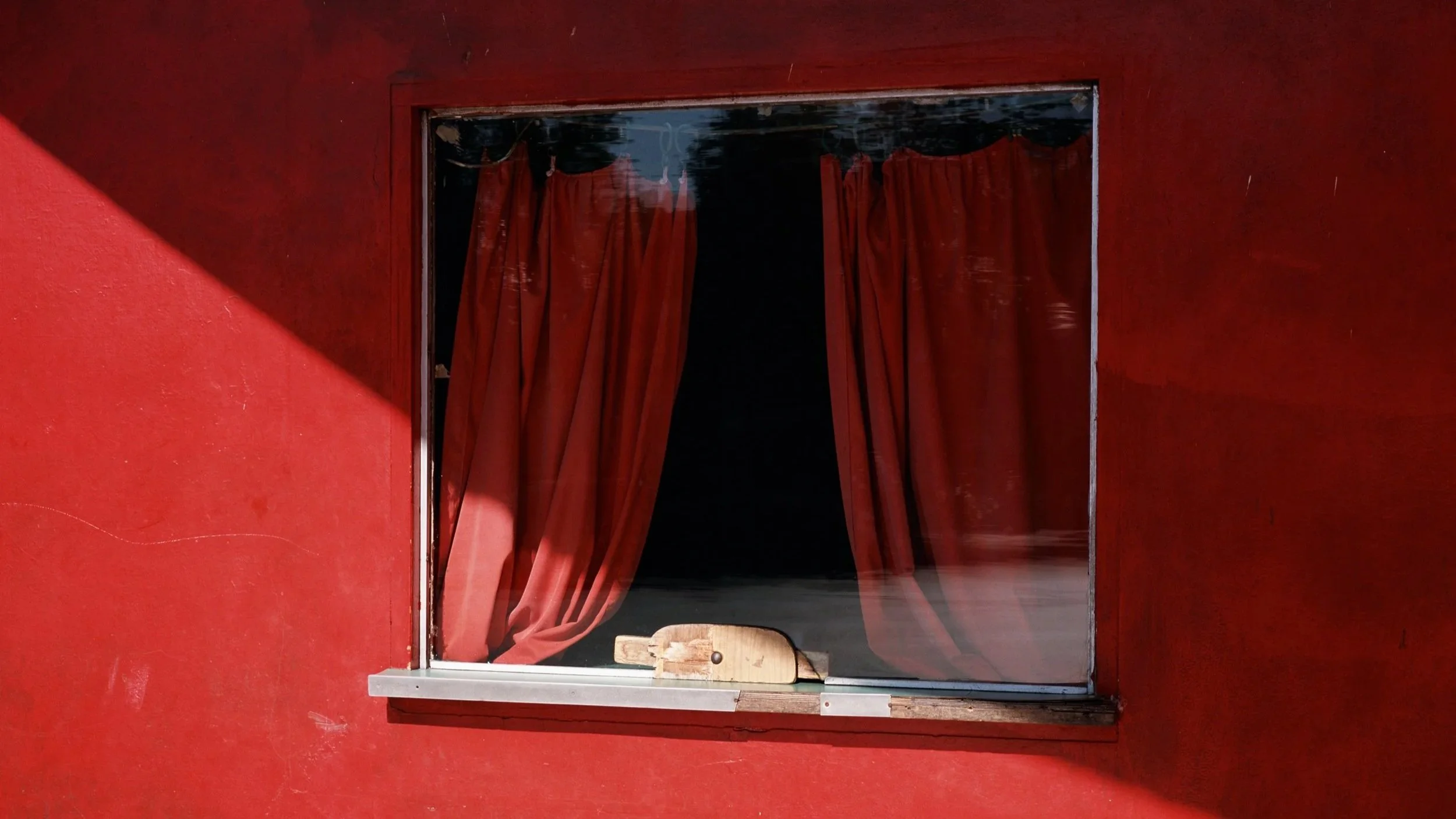
Online Ausstellung Johnstone (EN)
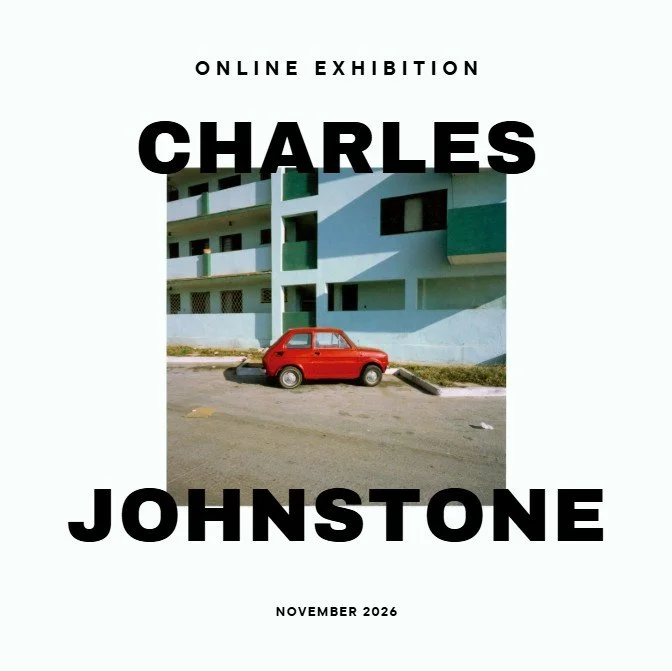
online Exhibition
Charles Johnstone
20 Years of Cooperation
01. - 30. November 2026
“I am truly grateful for 20 years of friendship.
It all started with curiosity, mutual appreciation and a square format without people. A beginning that, in its own way, turned out to be quite remarkable. Today, your work has found its well-deserved place in museums and collections around the world — a wonderful recognition of your vision, creativity and persistence.
What a journey it has been, and what a pleasure to have witnessed at least part of it along the way.
So, let's celebrate — not only your achievements, but also the person behind them.
Stay curious, stay creative, and above all, keep being the genuinely nice guy you have always been.Here's to you, to the journey so far, and to many more years of friendship!”
- Jörg Maaß
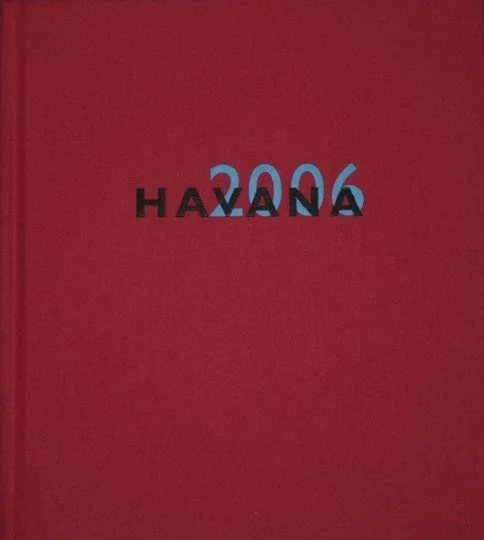
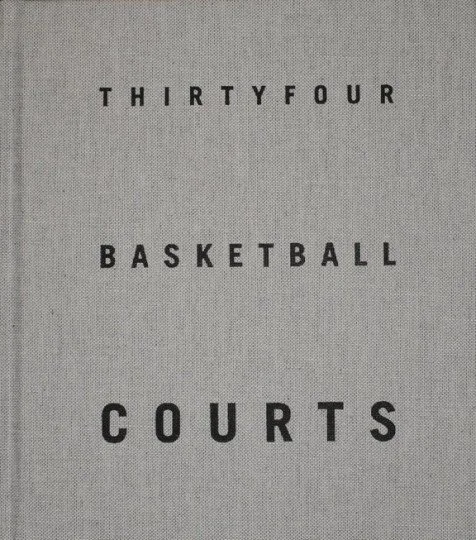
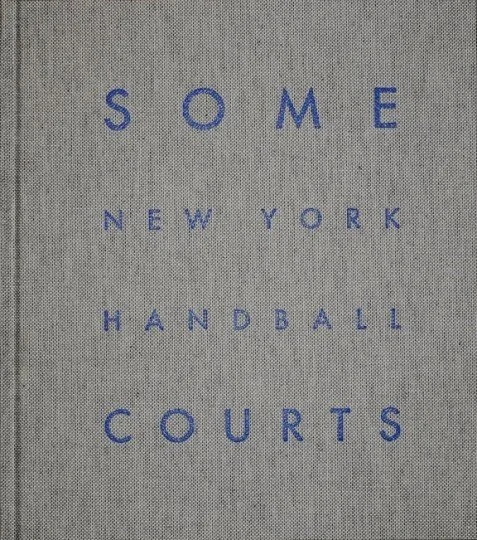
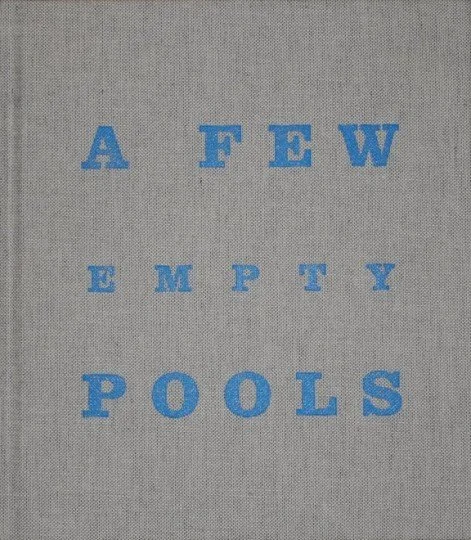
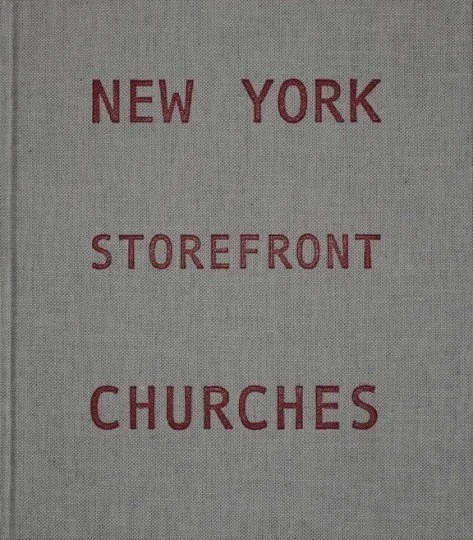
For 20 years, Kunsthandel Maaß and photographer Charles Johnstone have enjoyed a longstanding and continuous working relationship.
To mark this anniversary, our online exhibition invites you to rediscover Charles Johnstone’s photographic work through five distinct bodies of work: Havana, Courts, Venice, Fences and Churches.
Johnstone’s photographs draw our attention to the extraordinary within the seemingly familiar, offering new perspectives on places whose character often reveals itself only through close observation.
The six bodies of work explore different subjects and locations, yet they are united by a distinctive visual language that brings out the aesthetic qualities of architecture and its surroundings.
Twenty years of collaboration offer an opportunity to look back on a relationship that has grown over time, while also discovering new facets of the work of a photographer whose images invite us to look more closely.
All works are available for purchase. Prices upon request.
2006
Eine Reise nach Havanna
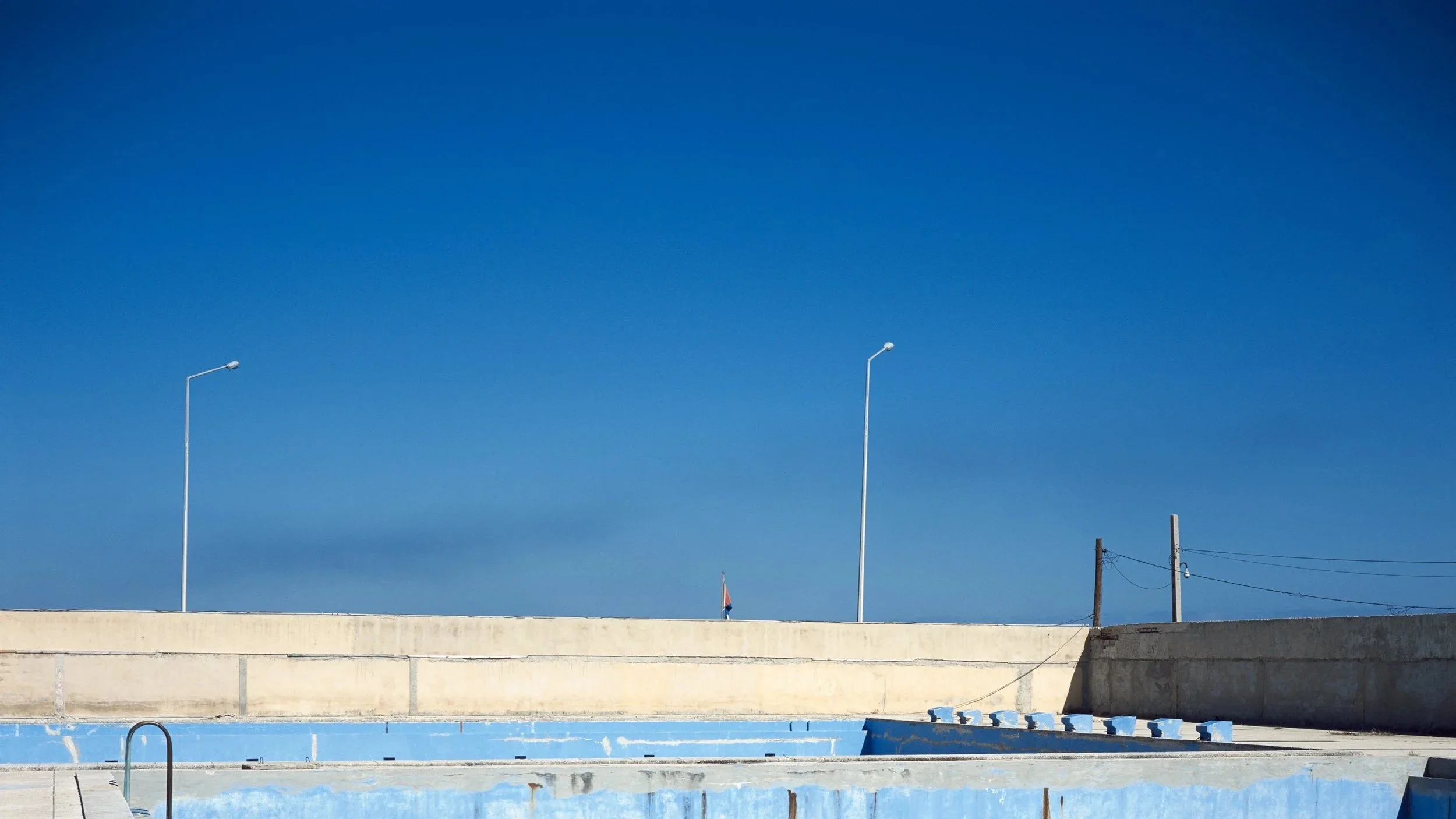
During his trip to Havana in 2006, Charles Johnstone captures his impressions through photography. This gives rise to his first body of work, Havana, marking the beginning of a new chapter in his life and, at the same time, laying the foundations for his subsequent artistic practice.
Although the intense light and vivid colours of the Caribbean initially catch the eye, Johnstone’s interest lies equally in the subtle nuances of his subjects. He explores the quiet interplay of colour, form and space, developing a visual language characterised by clarity and restraint.
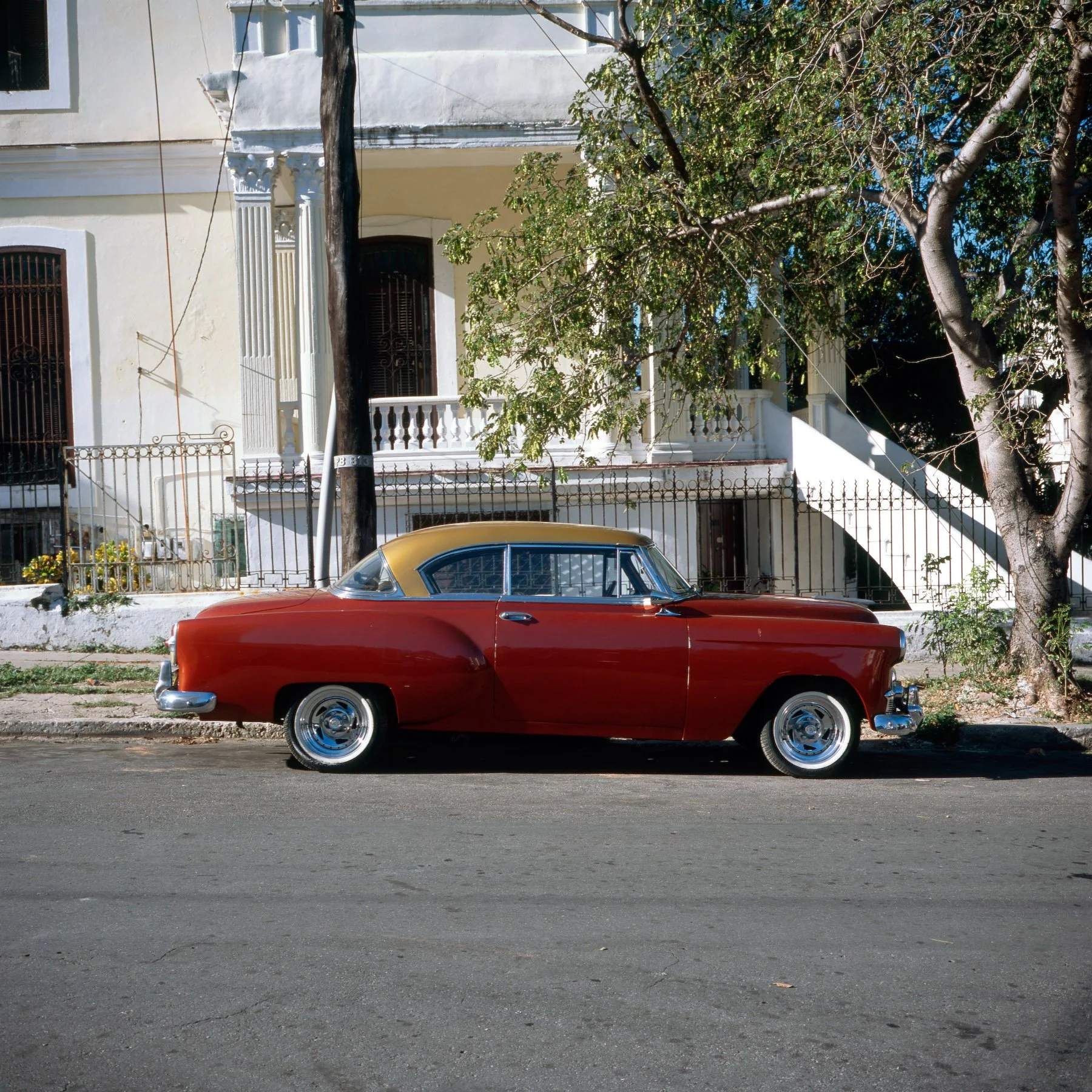
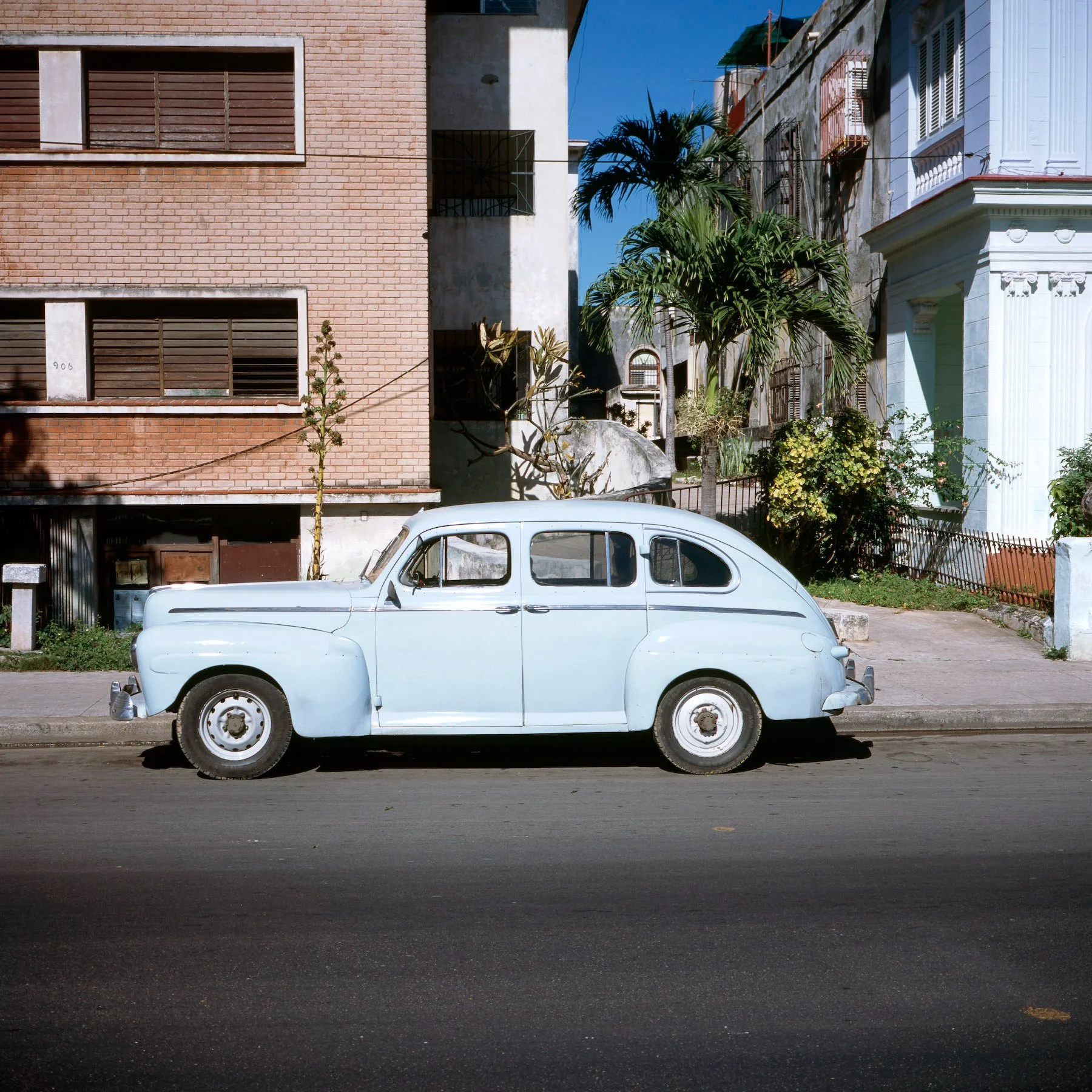
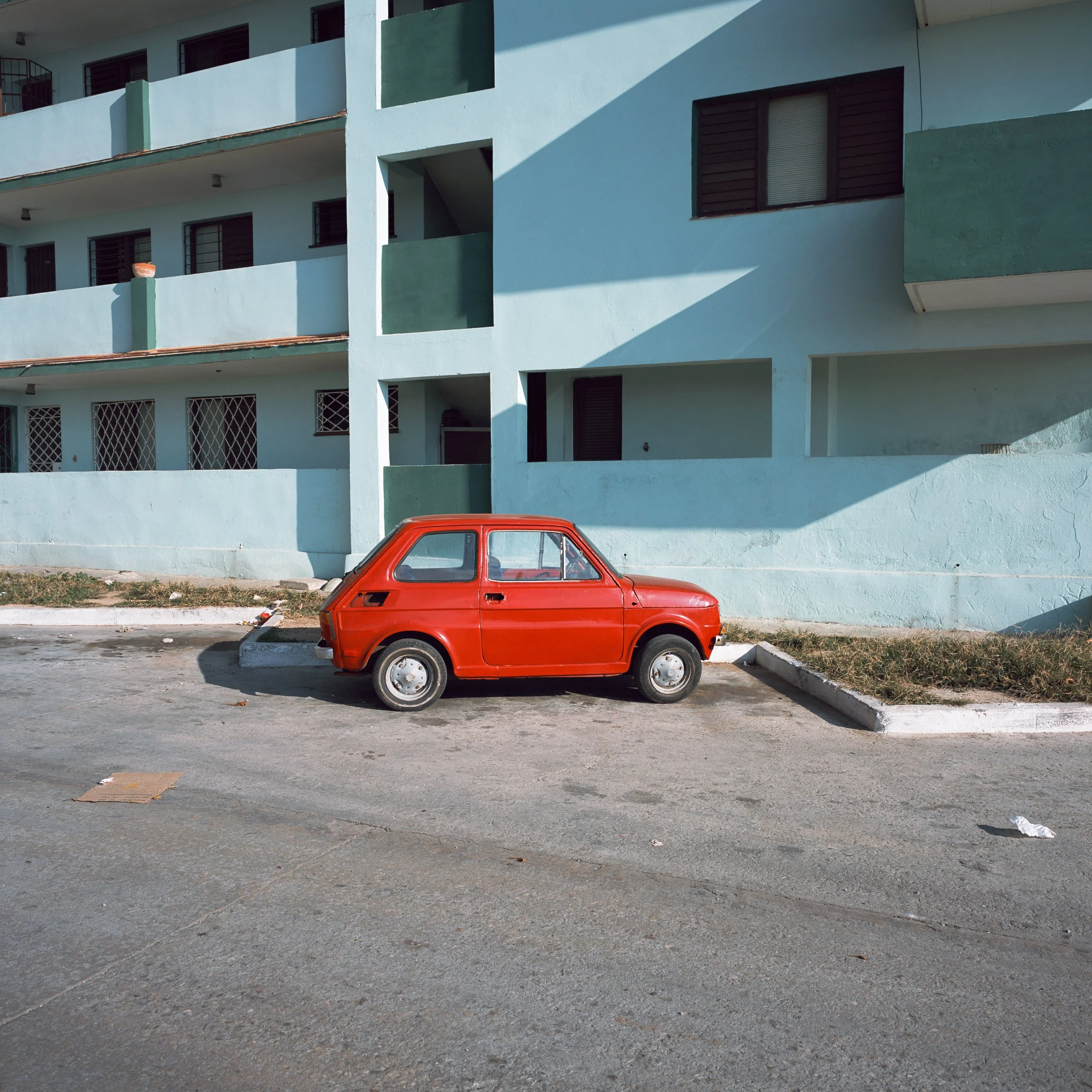
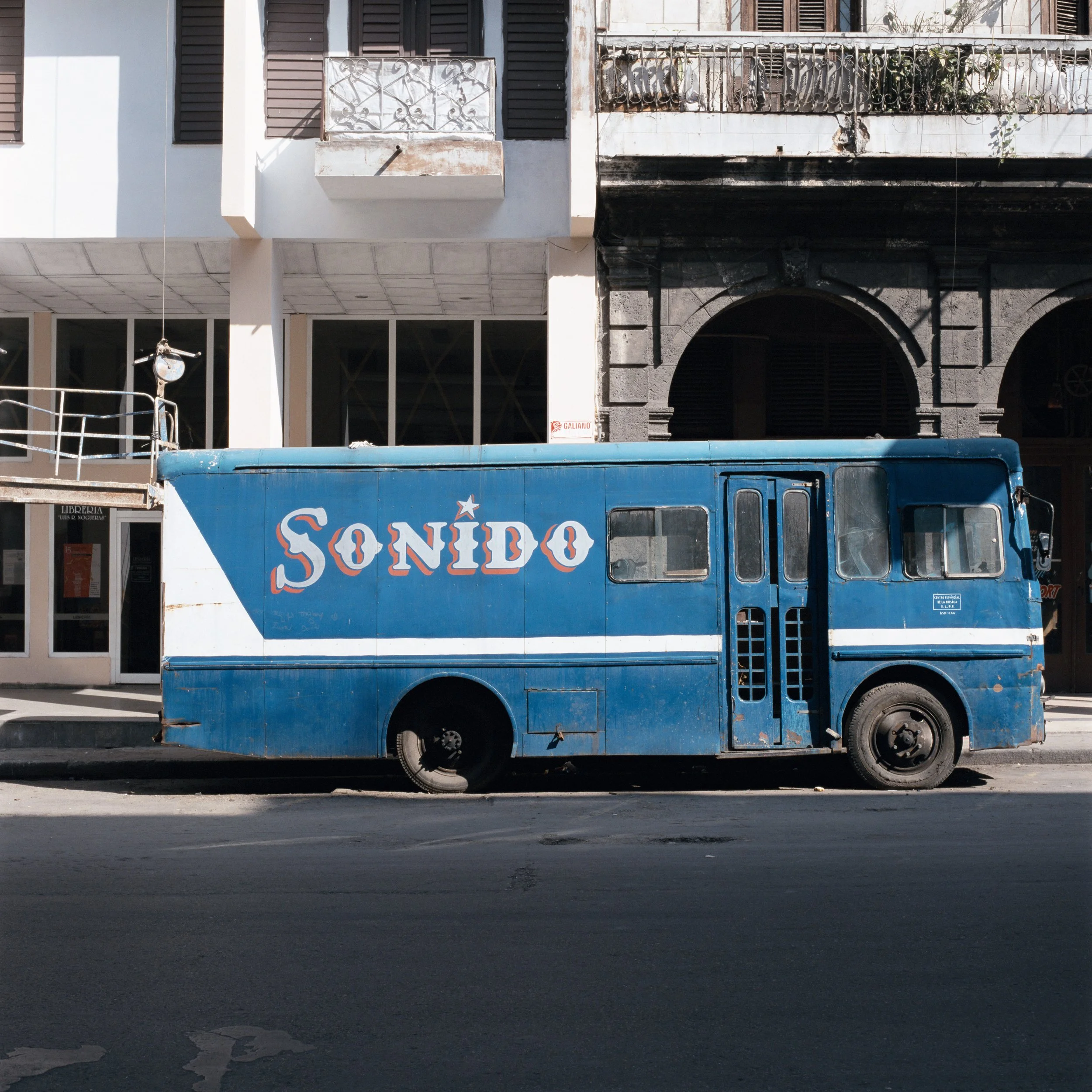
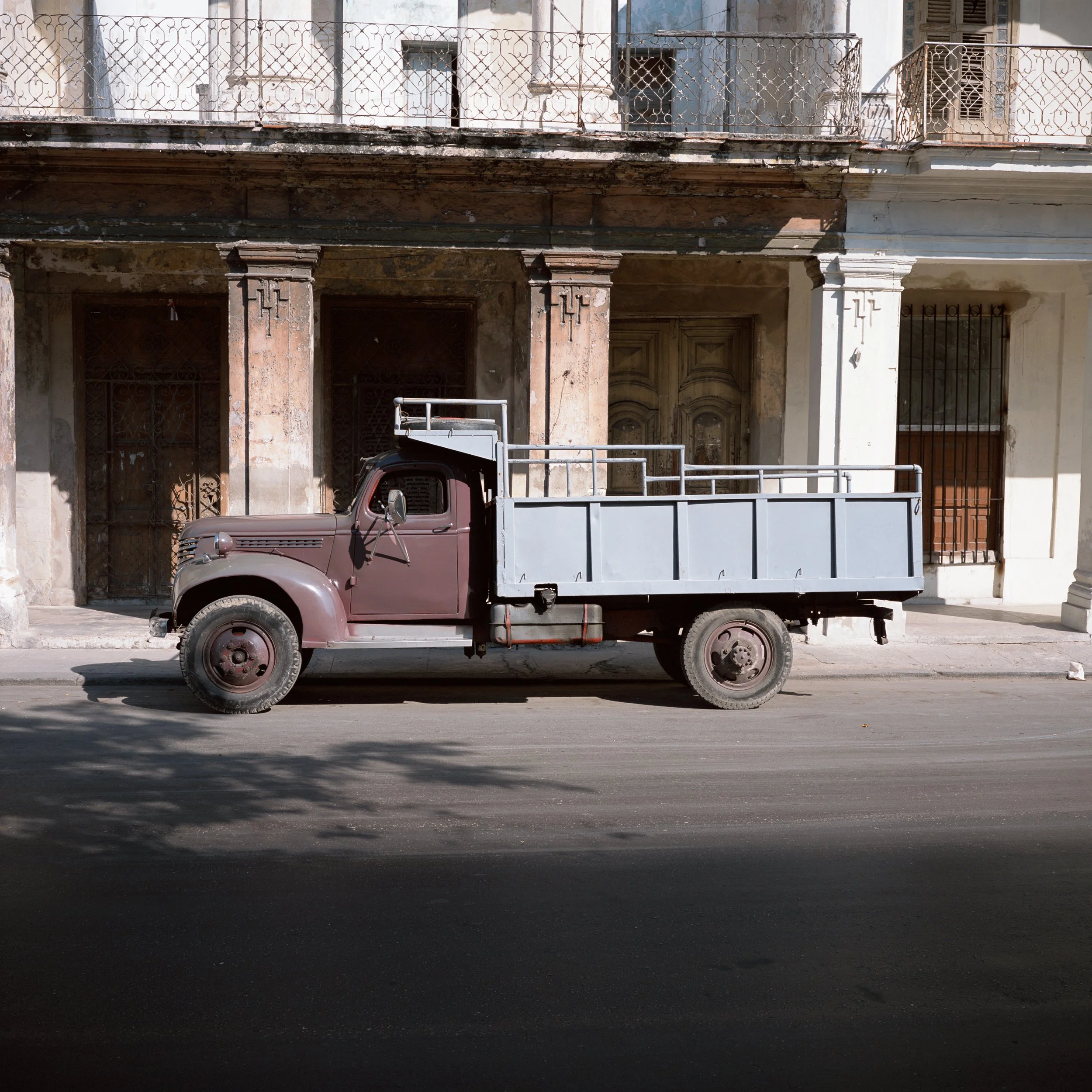
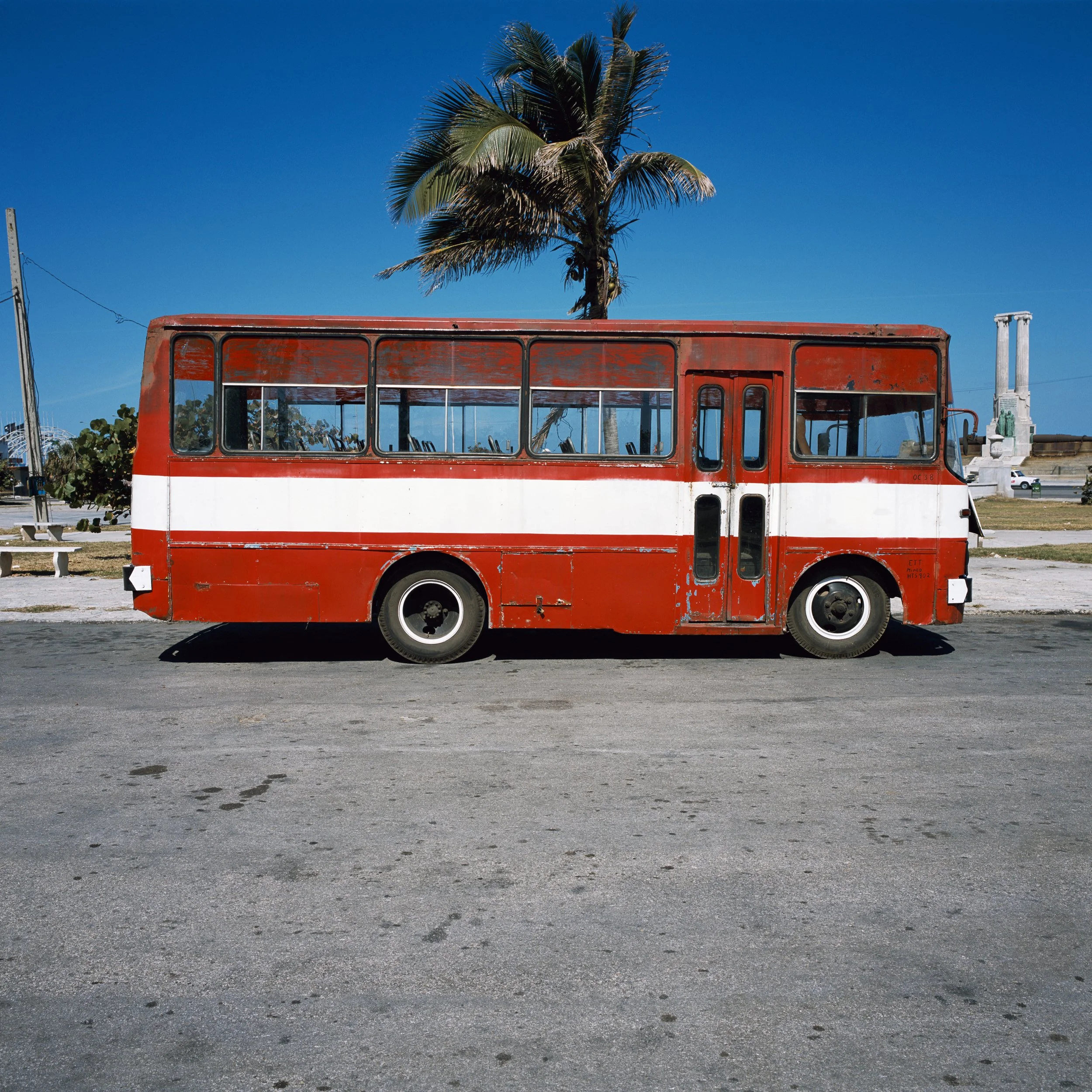
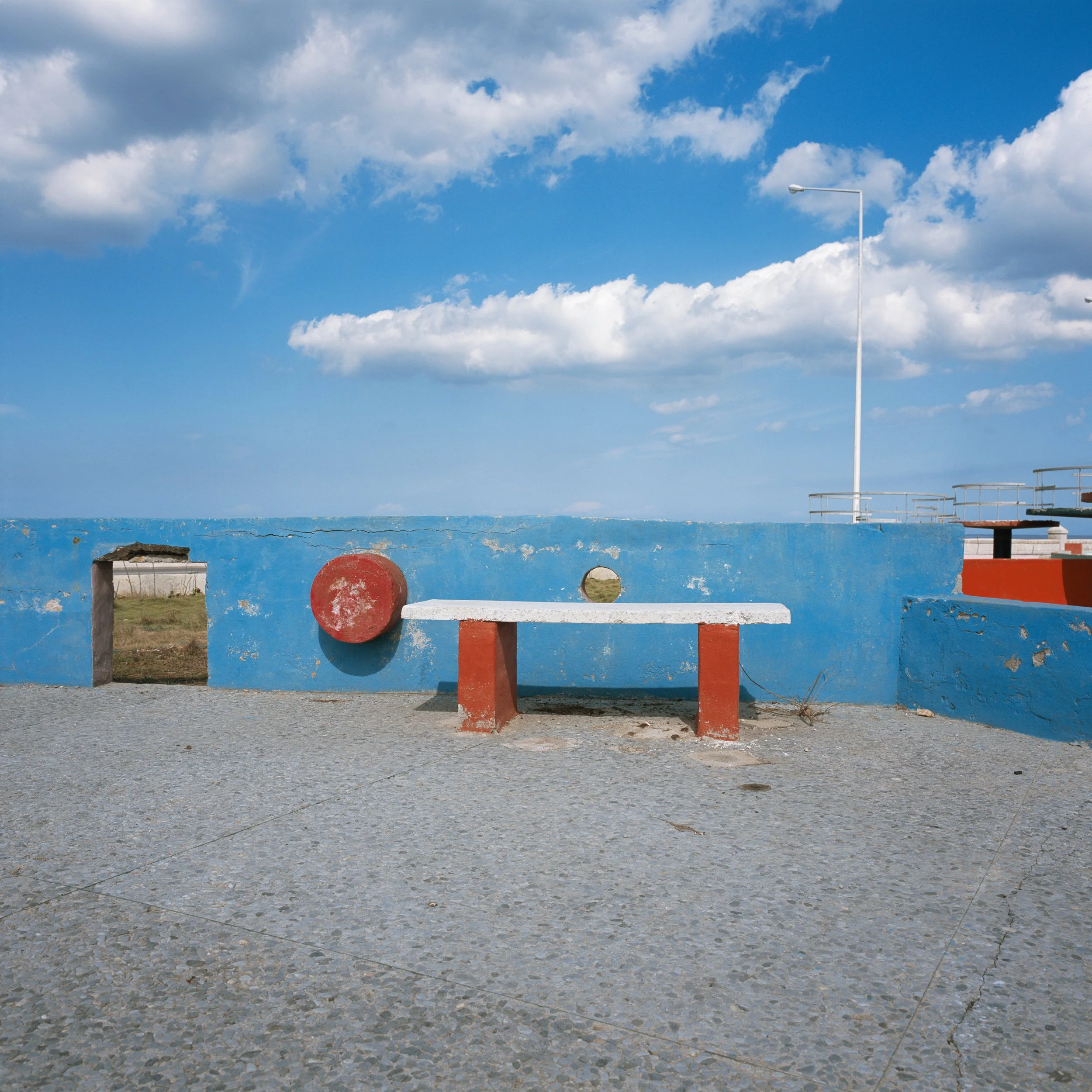
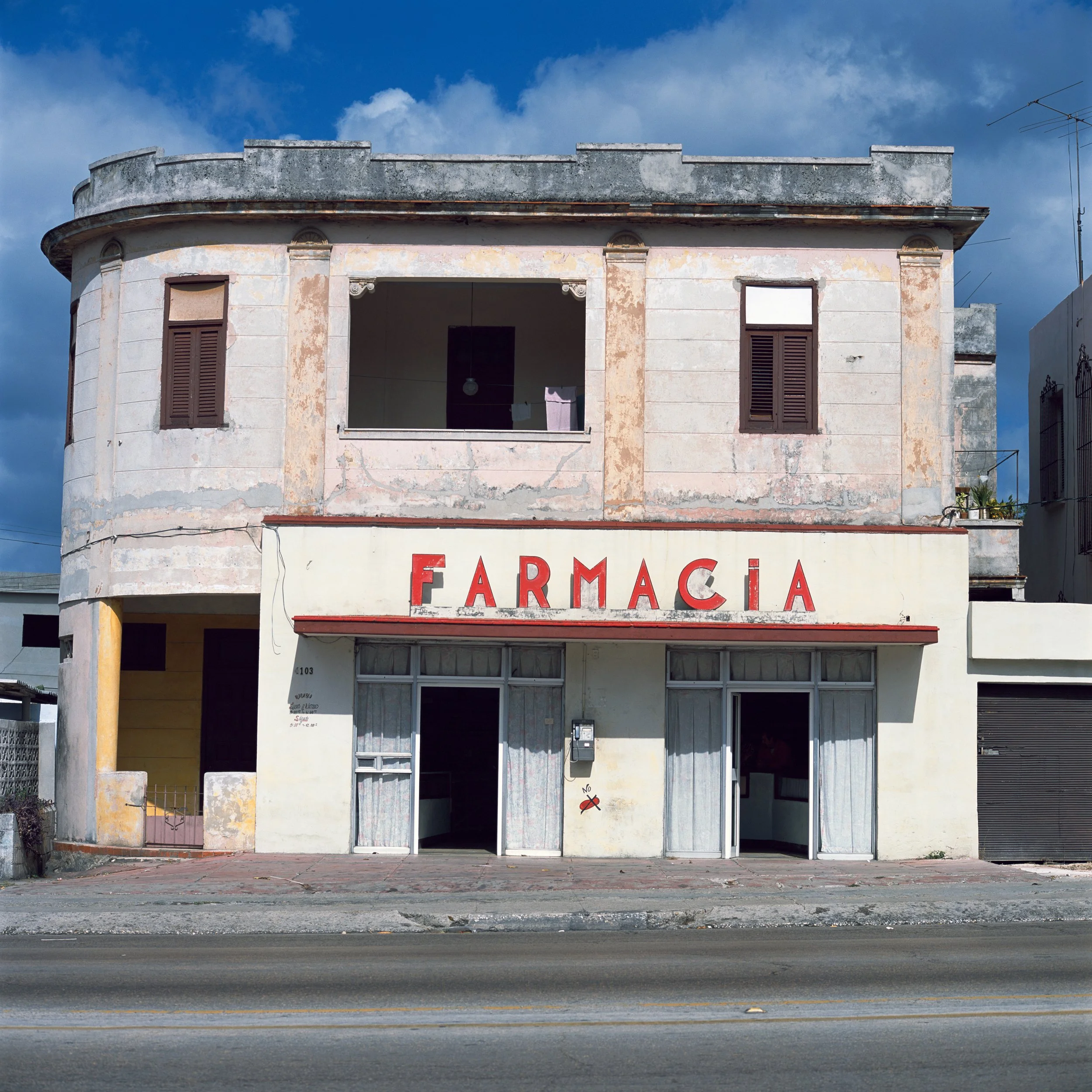
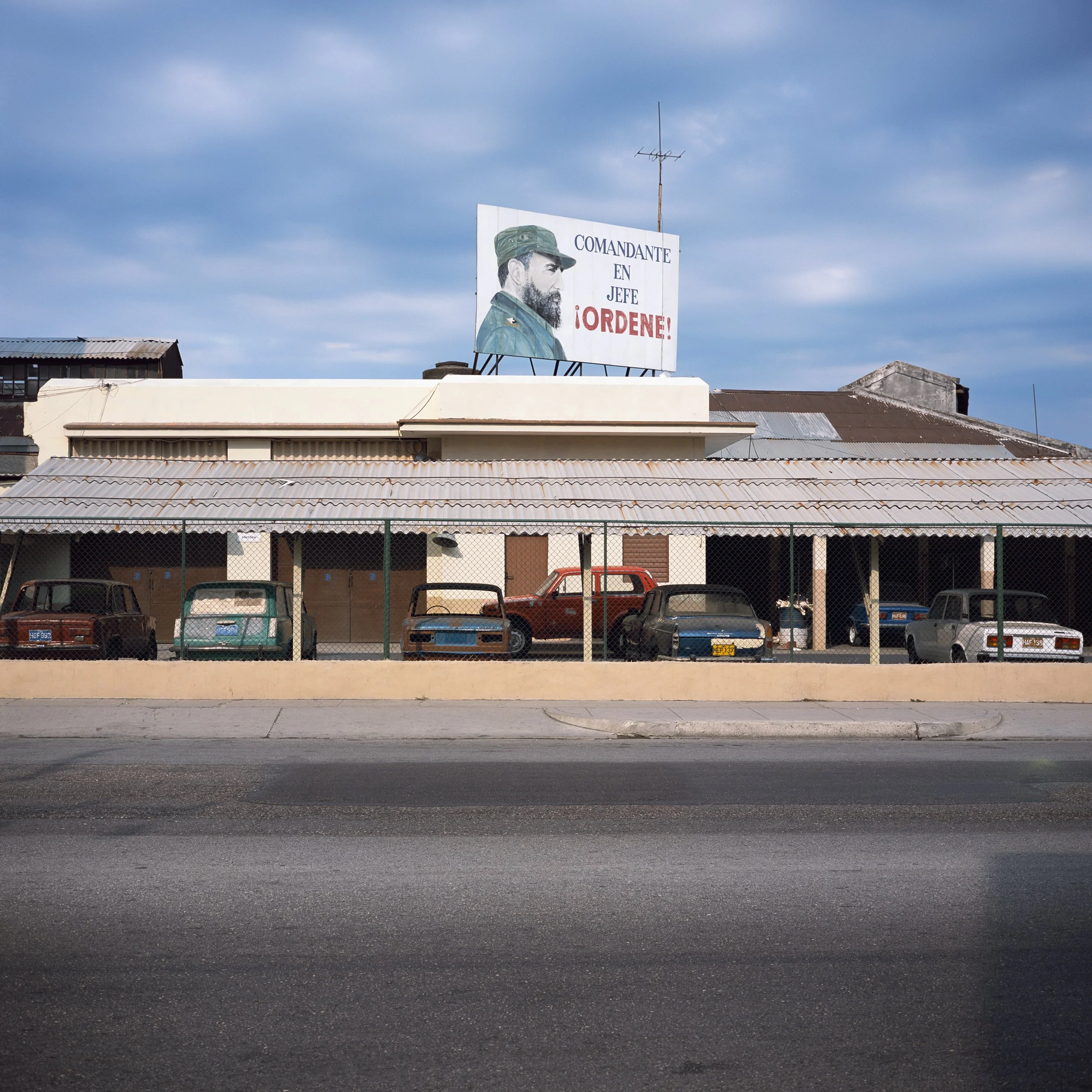
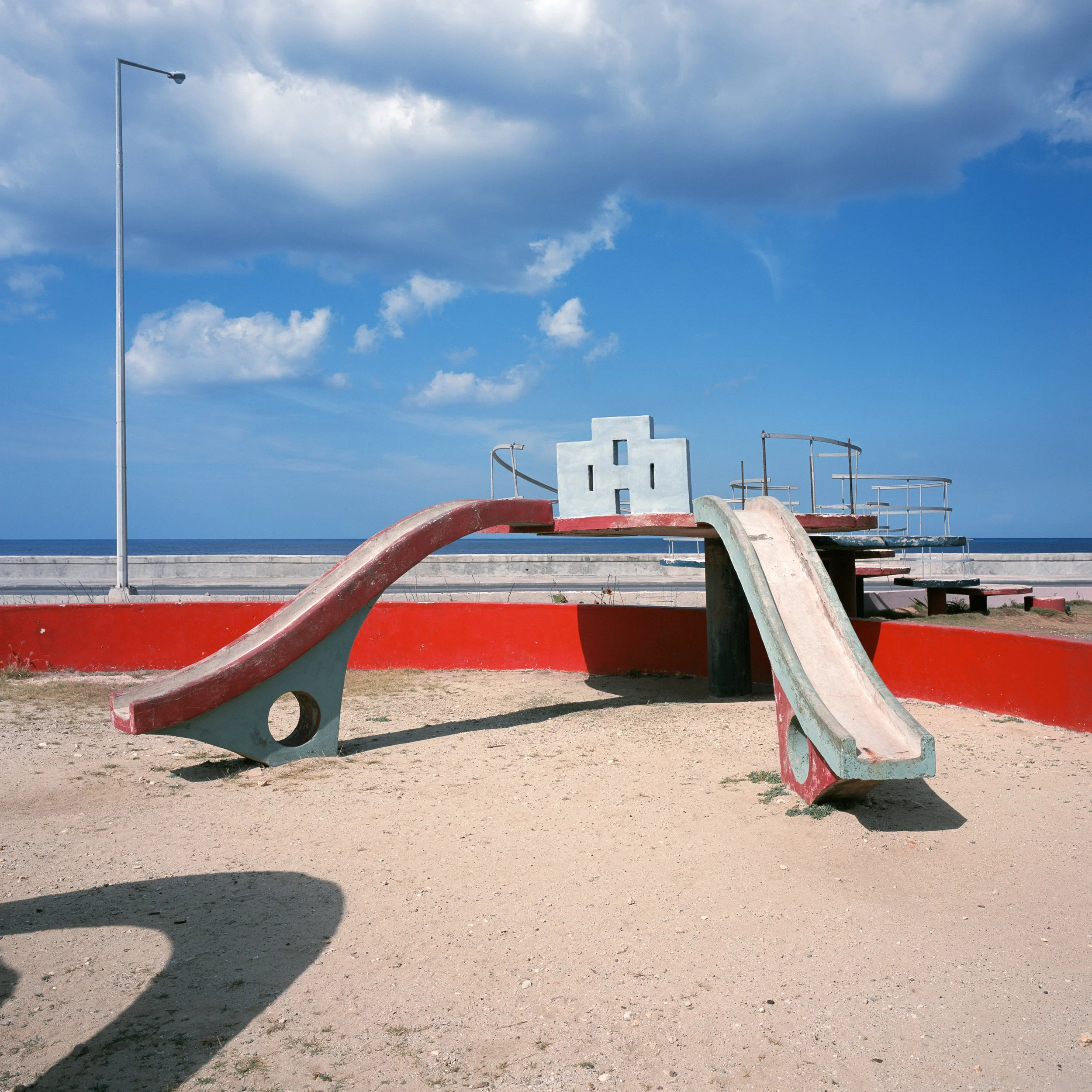
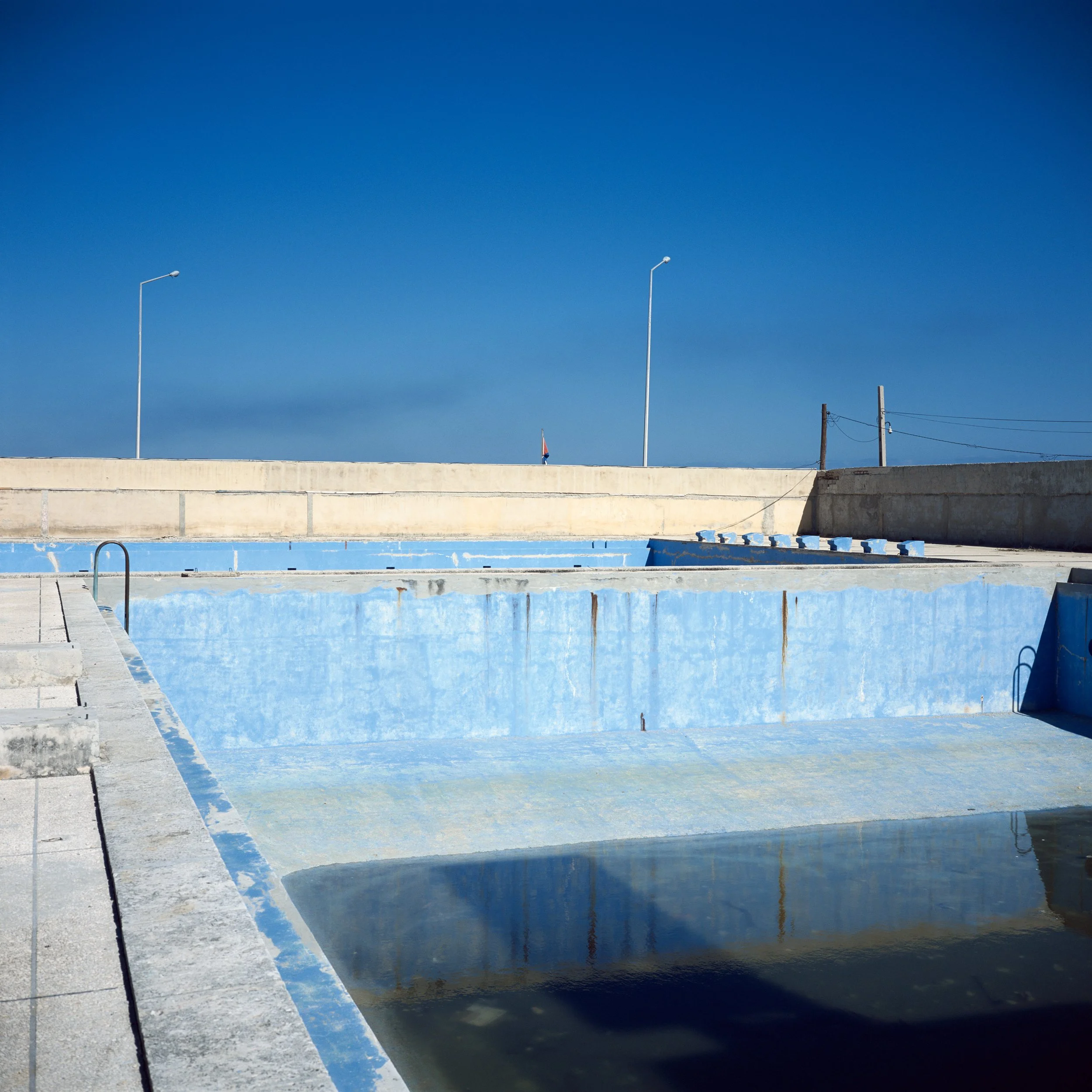
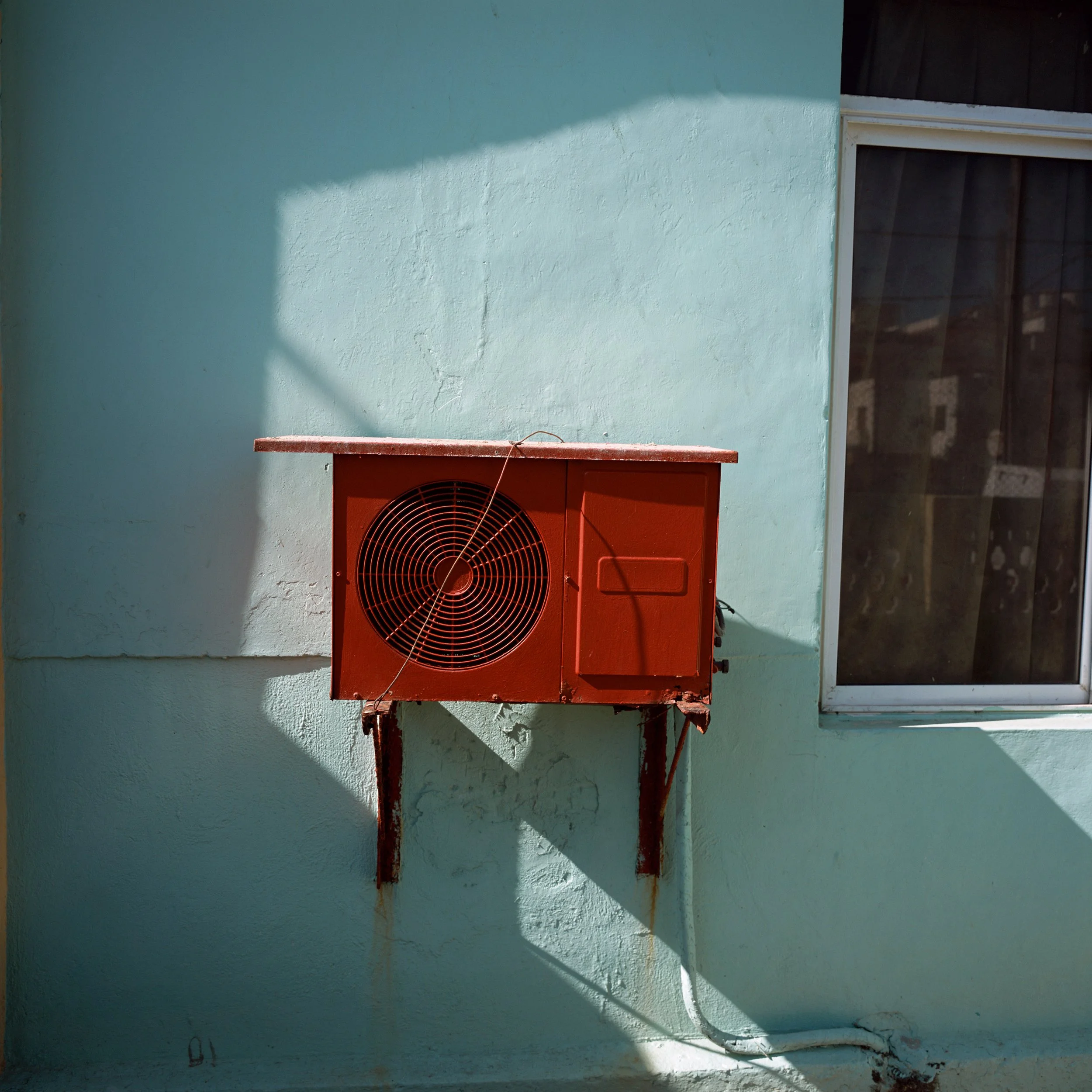
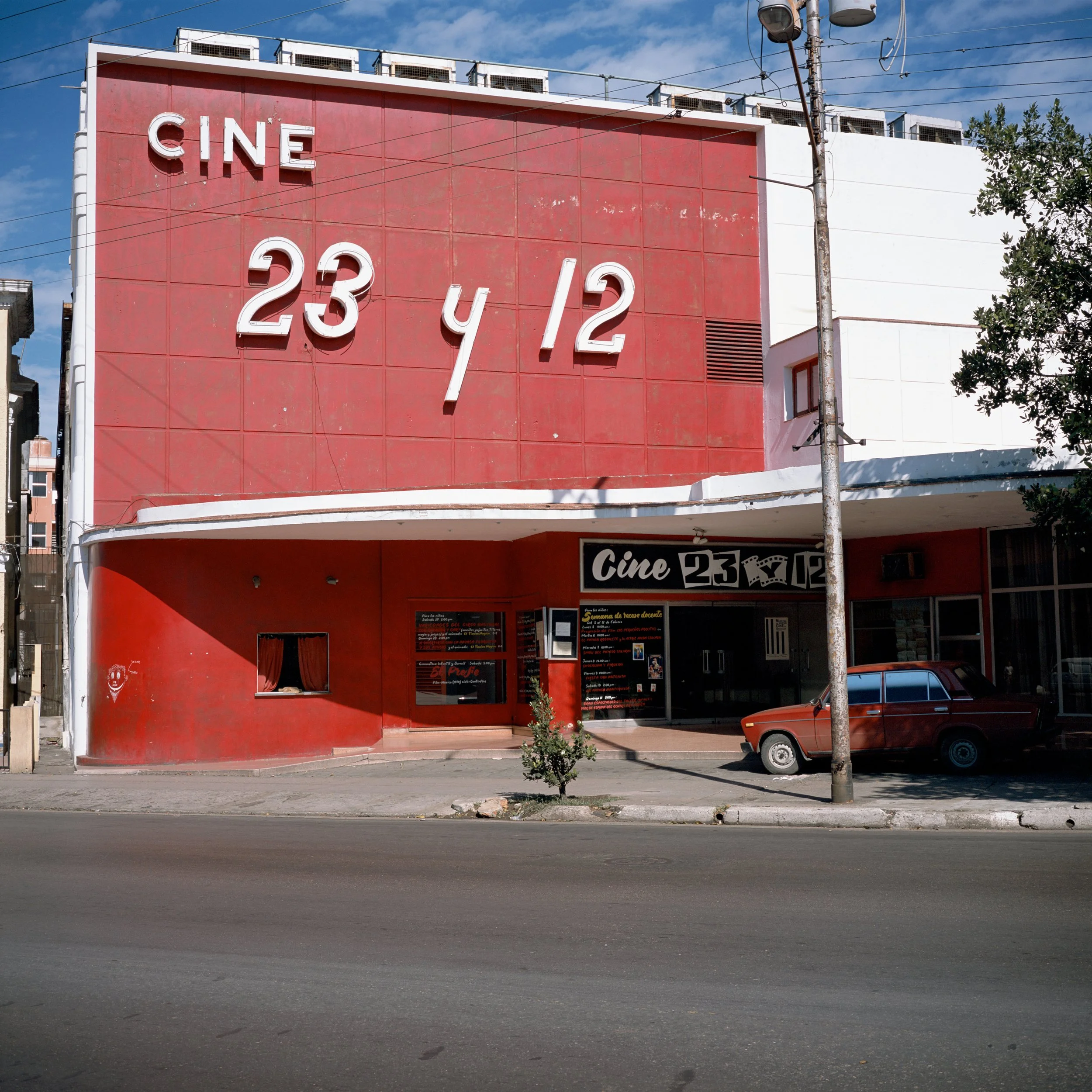
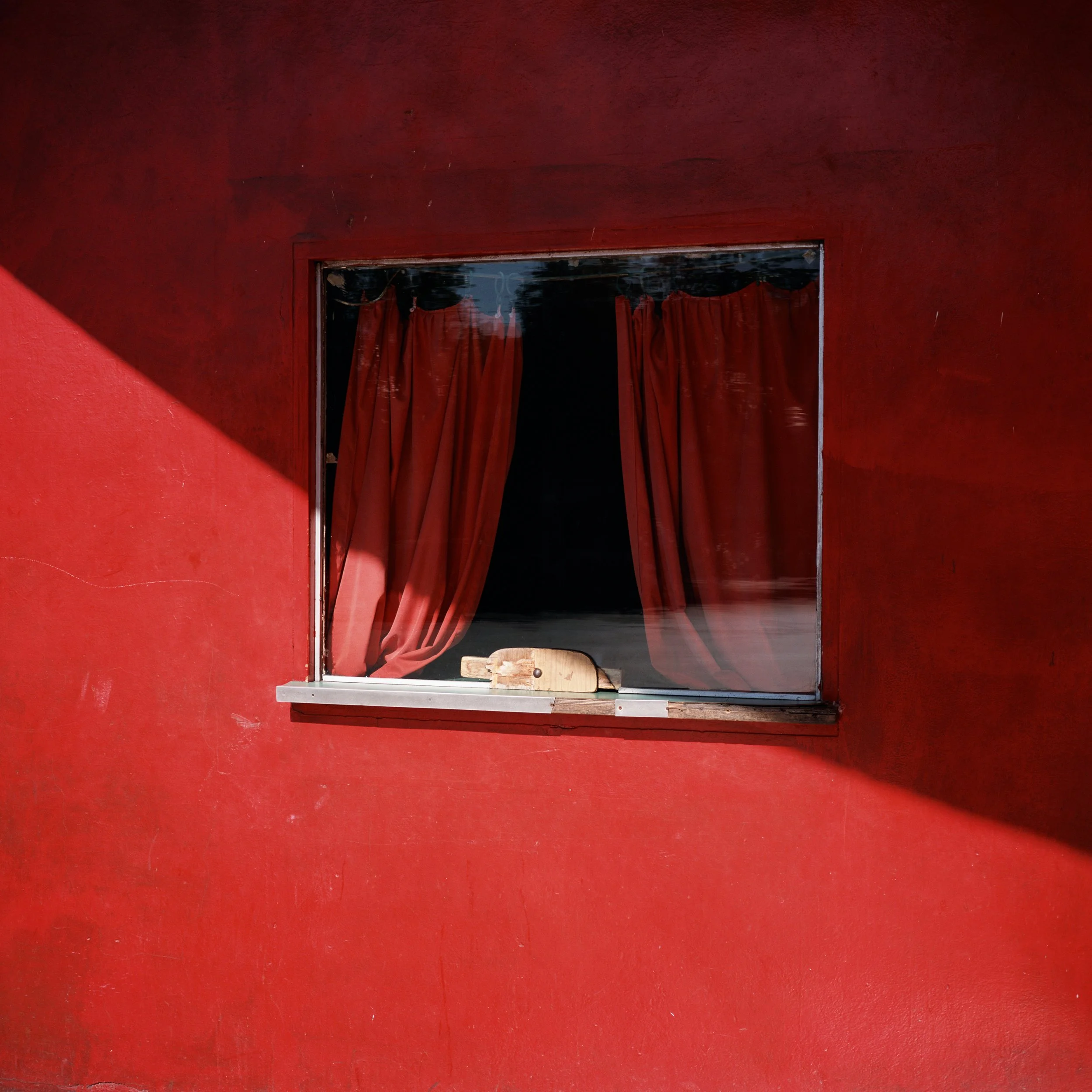
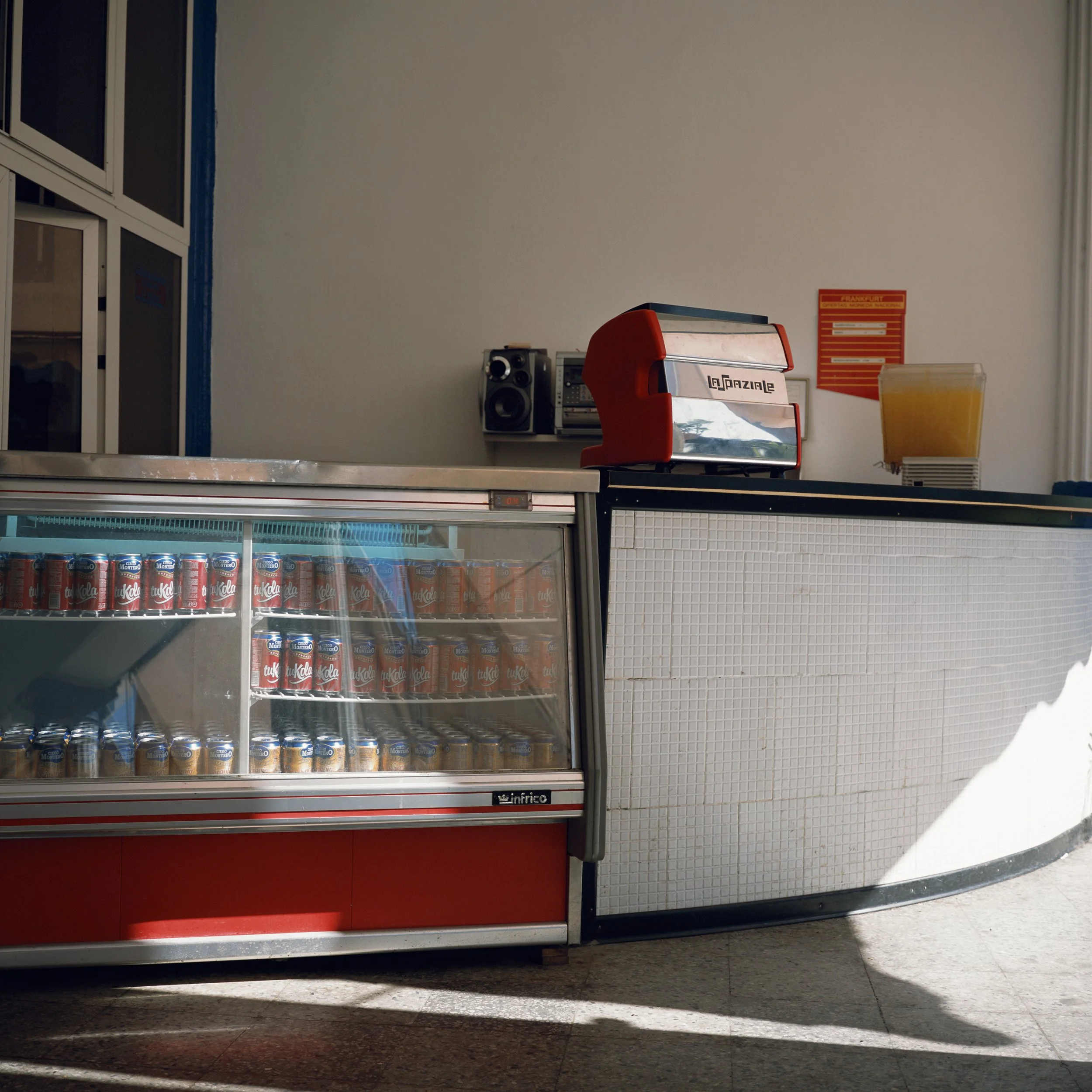
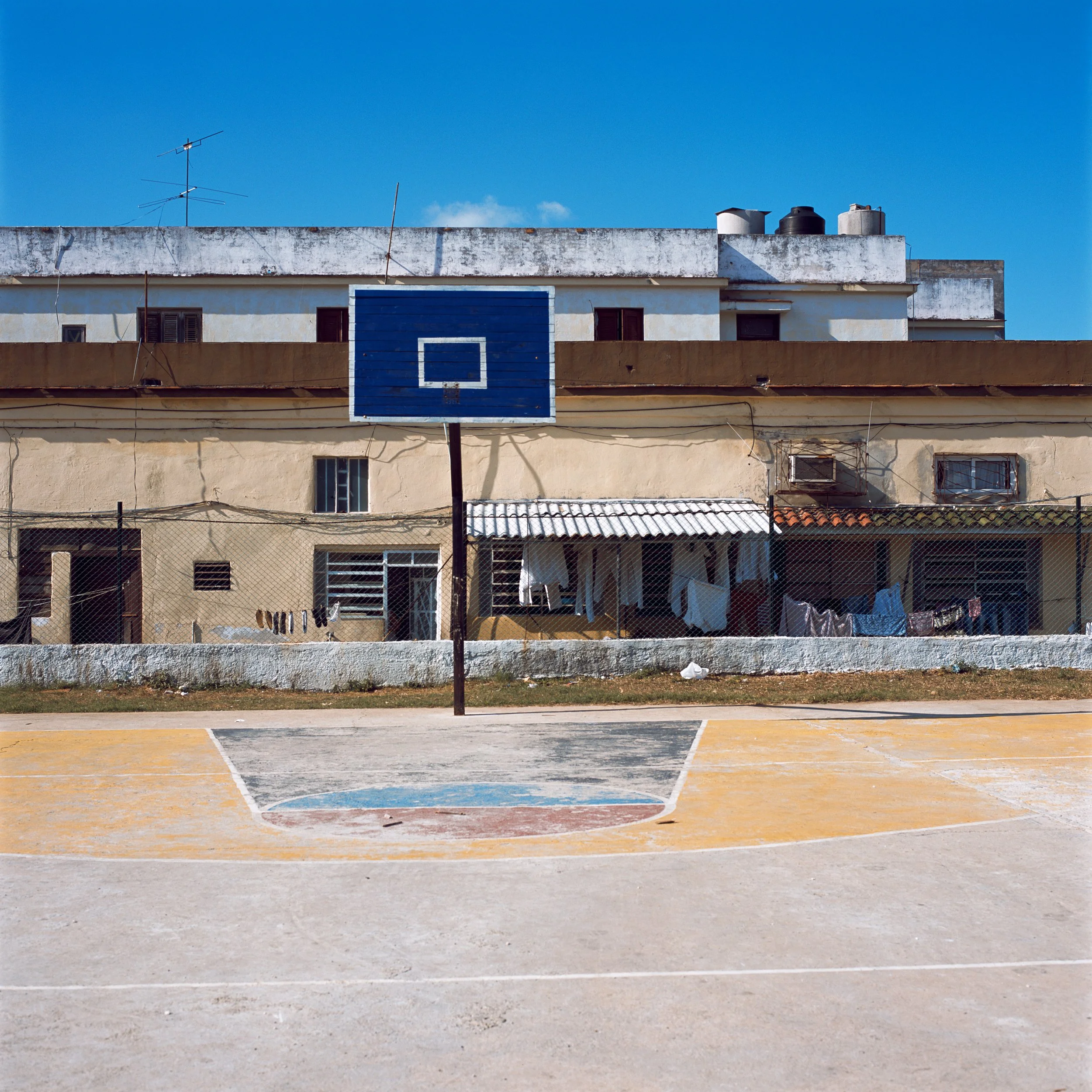
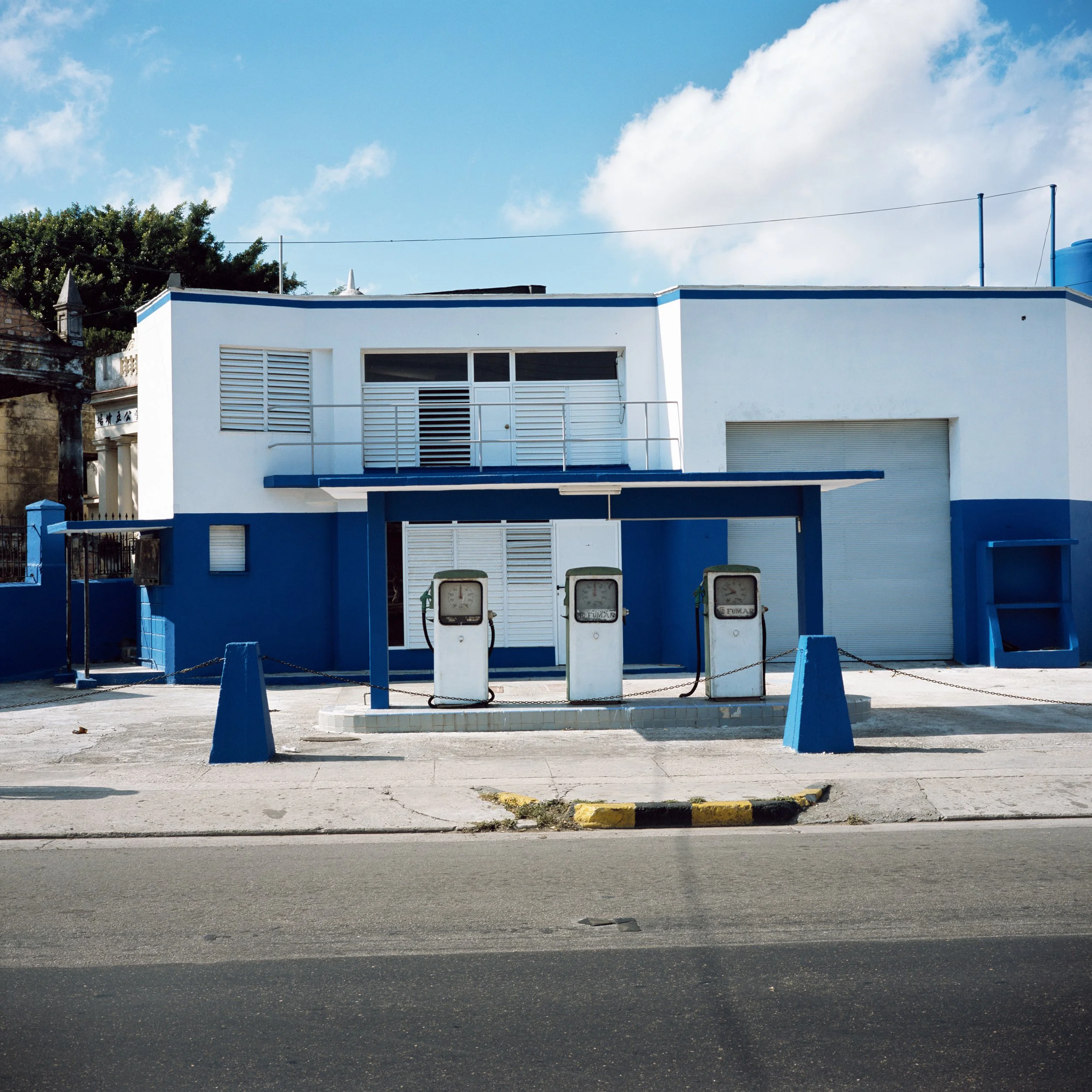
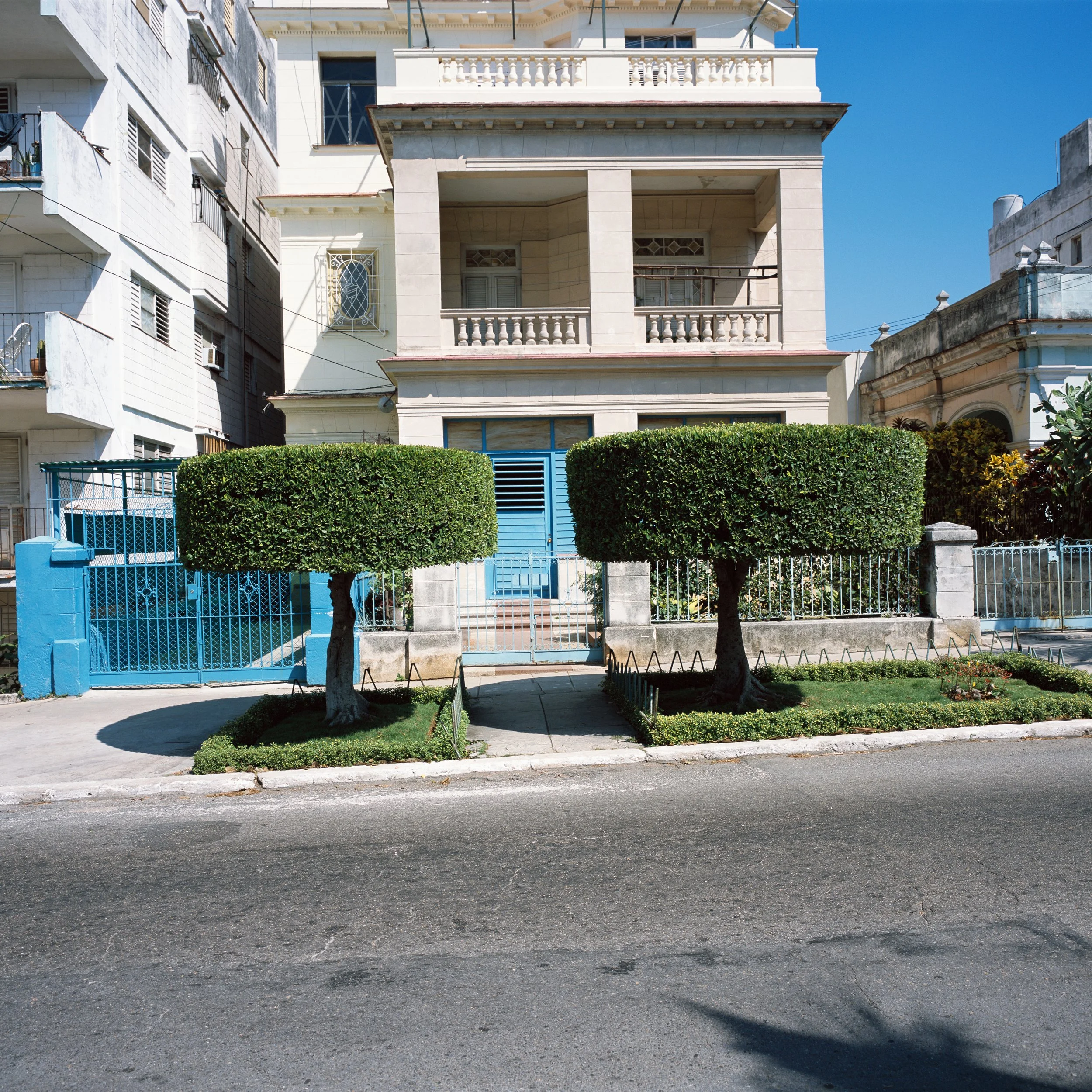
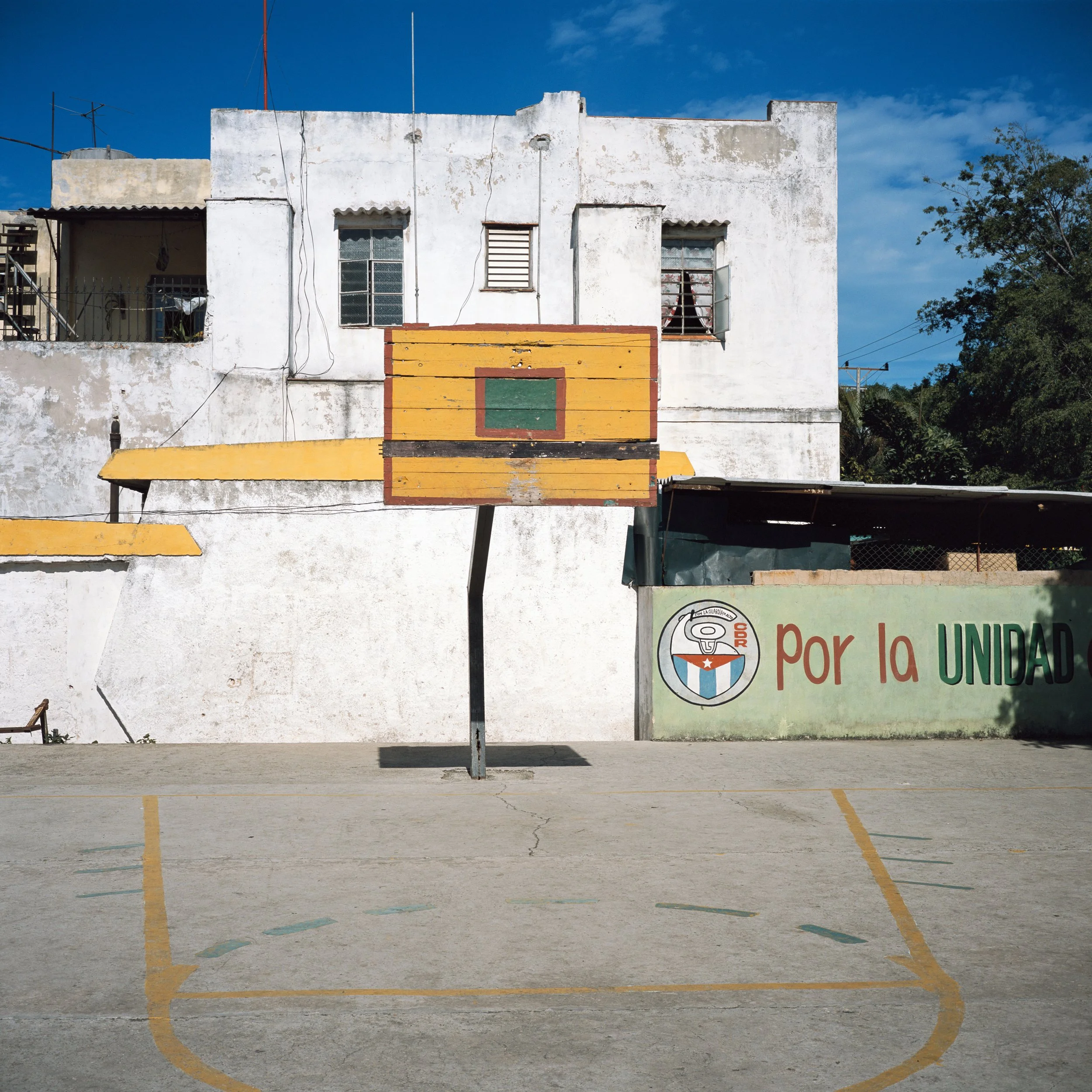
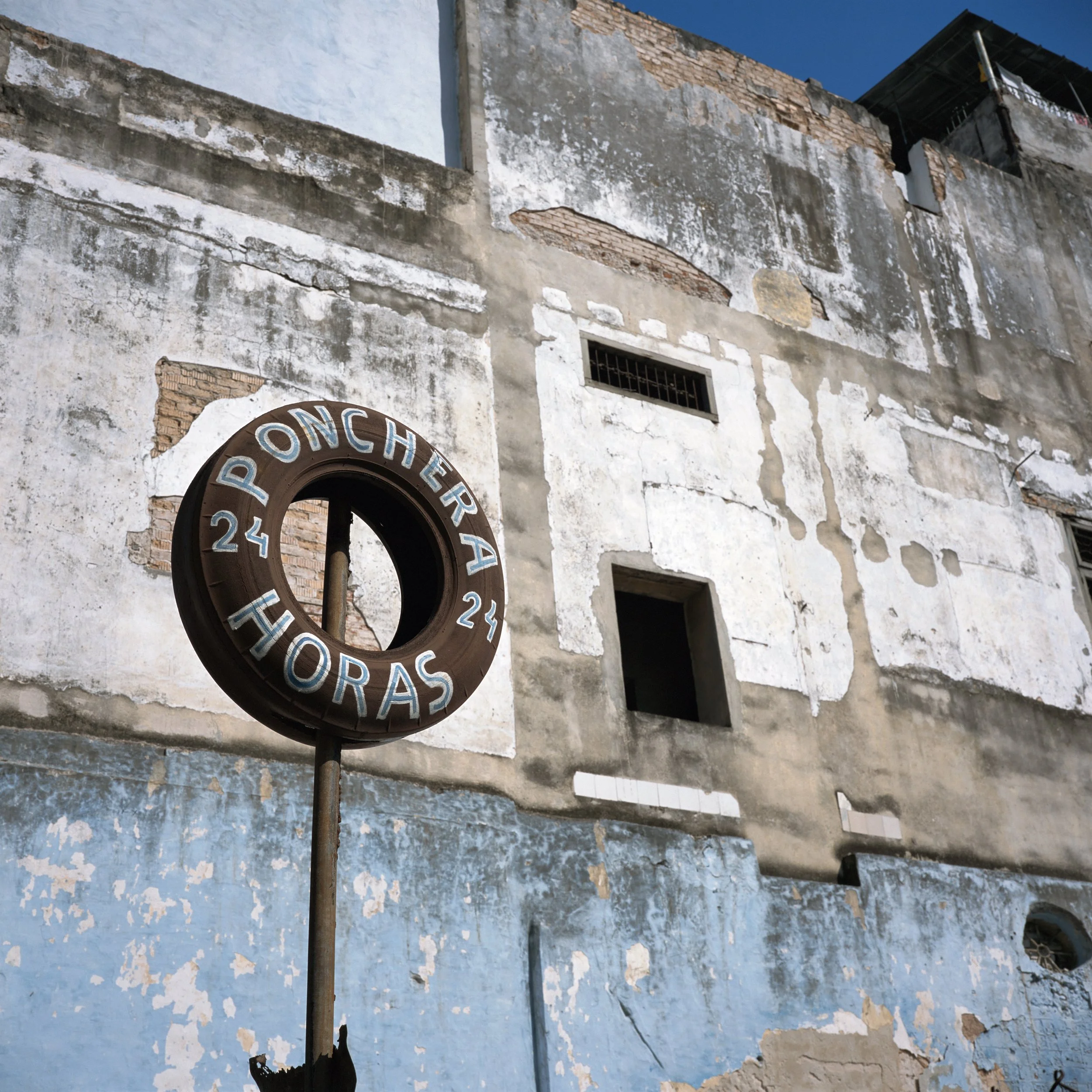
His photographic style engages in a dynamic dialogue with a range of artistic approaches. It reflects both the objective visual language of the New Topographics movement and Edward Ruscha’s understated depictions of gas stations and residential buildings. William Christenberry’s photographs have also left their mark: their unassuming elegance, the spontaneous character of the images and their familiar gaze upon the landscape of the American South.
A particular affinity emerges with Edward Hopper. As in Hopper’s paintings, Johnstone’s photographs evoke a distinctive tension between light, shadow and the apparent stillness of the places depicted. His images capture those fleeting moments when everyday life seems to stand still, gaining a particular sense of presence precisely through this stillness.
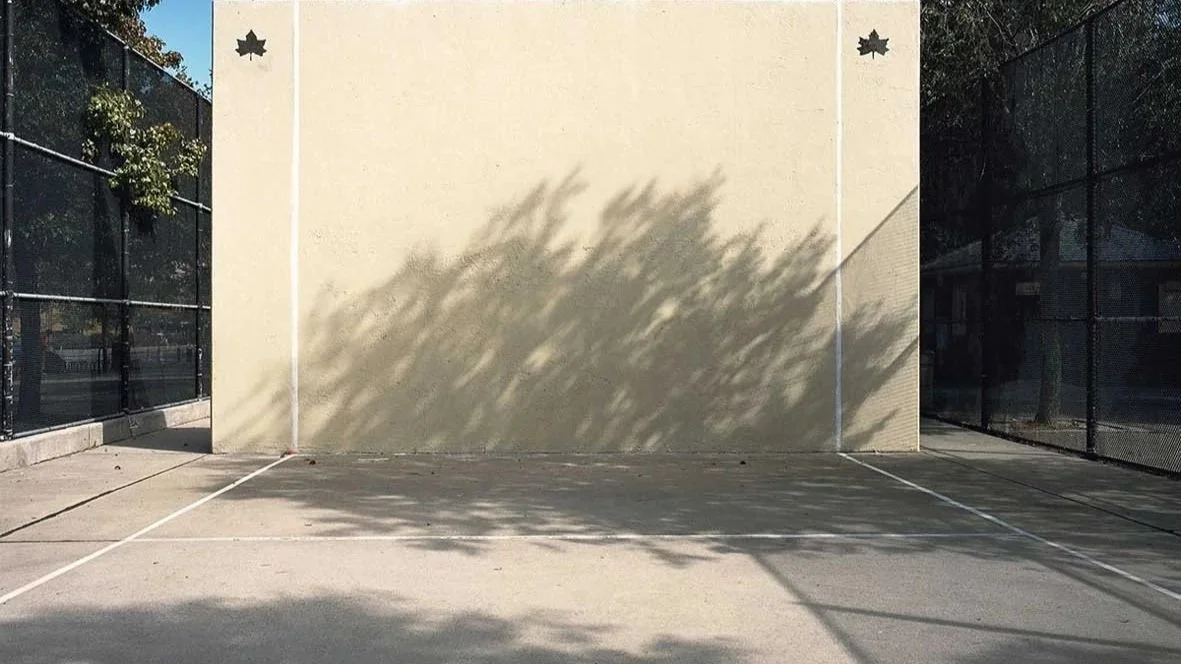
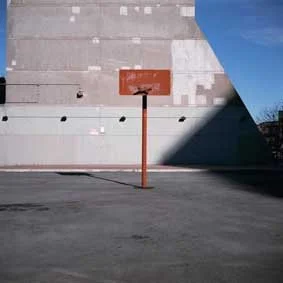
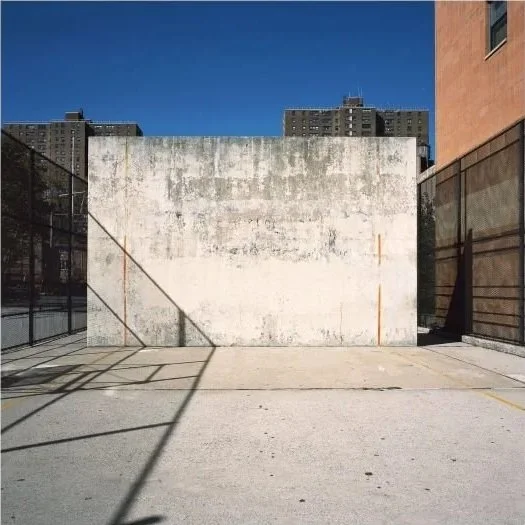
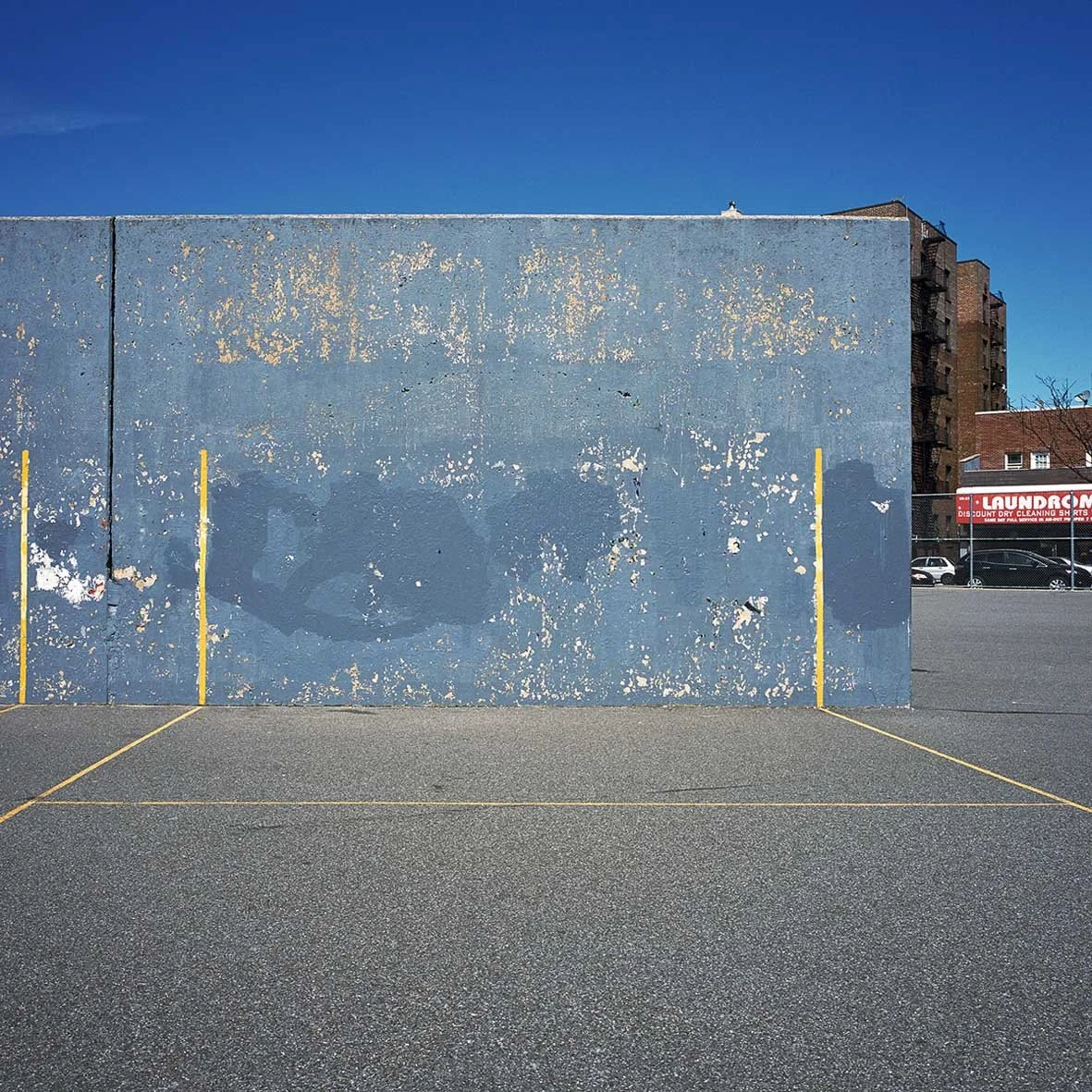
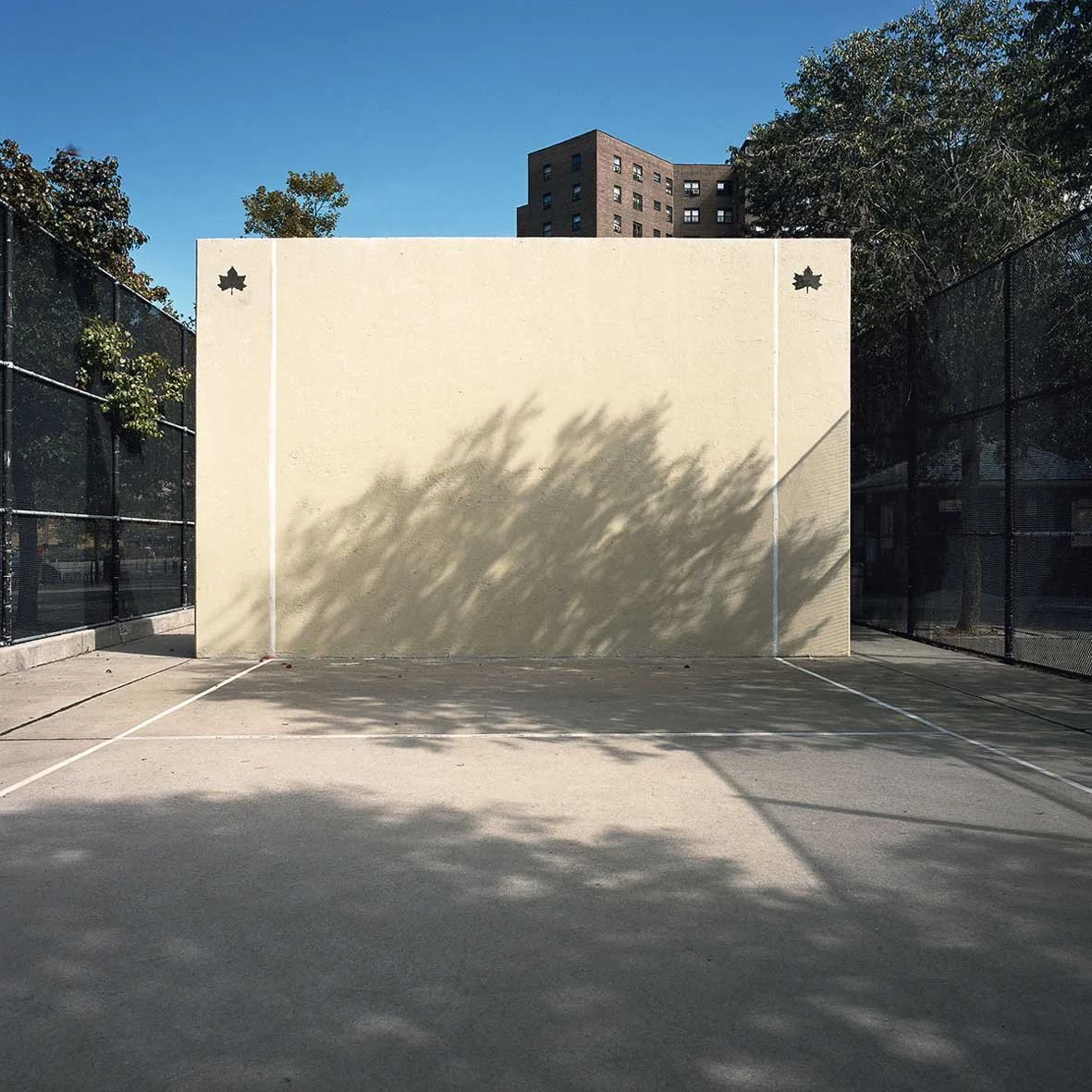
Courts
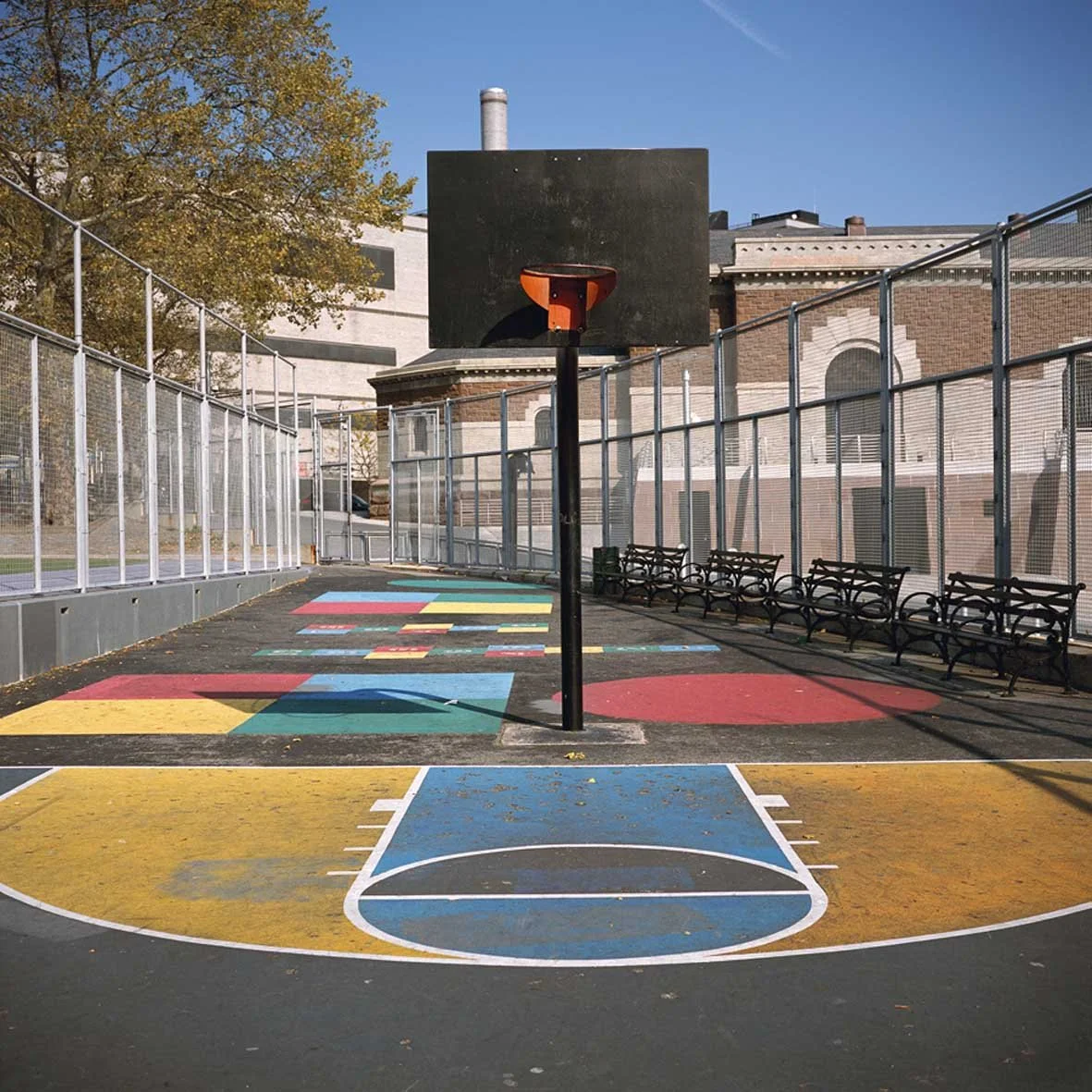
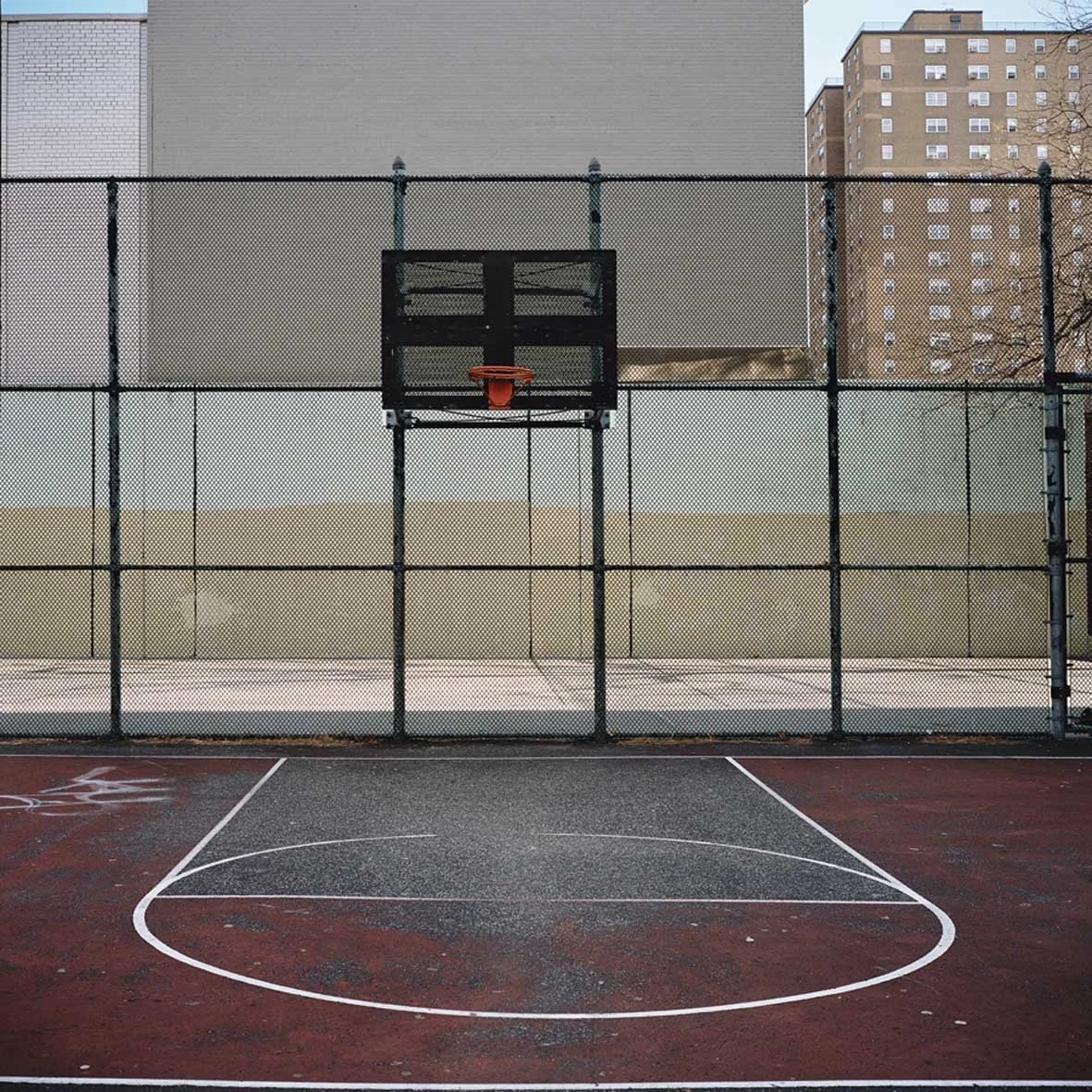
Basketball & Handball
Johnstone takes his time, waiting for the traffic to subside and the scene before his camera to settle into place. Often, only a single person remains in the frame, seemingly placed there by chance, almost unnoticed. Yet his photographs convey anything but emptiness. Instead, they exude a quiet sense of vitality. The places depicted seem to have come to rest for a brief moment — as though movement were merely suspended, ready to resume at any time and flow back into the scene from beyond the edges of the frame.
Particularly striking is Johnstone’s use of the square format. His compositions are clearly structured and meticulously considered, with every frame appearing deliberately chosen. Within the tightly defined boundaries of the image, a finely balanced interplay of lines, planes and varying tonal values unfolds. The immediate impact of the subjects is thus combined with a complex formal structure.
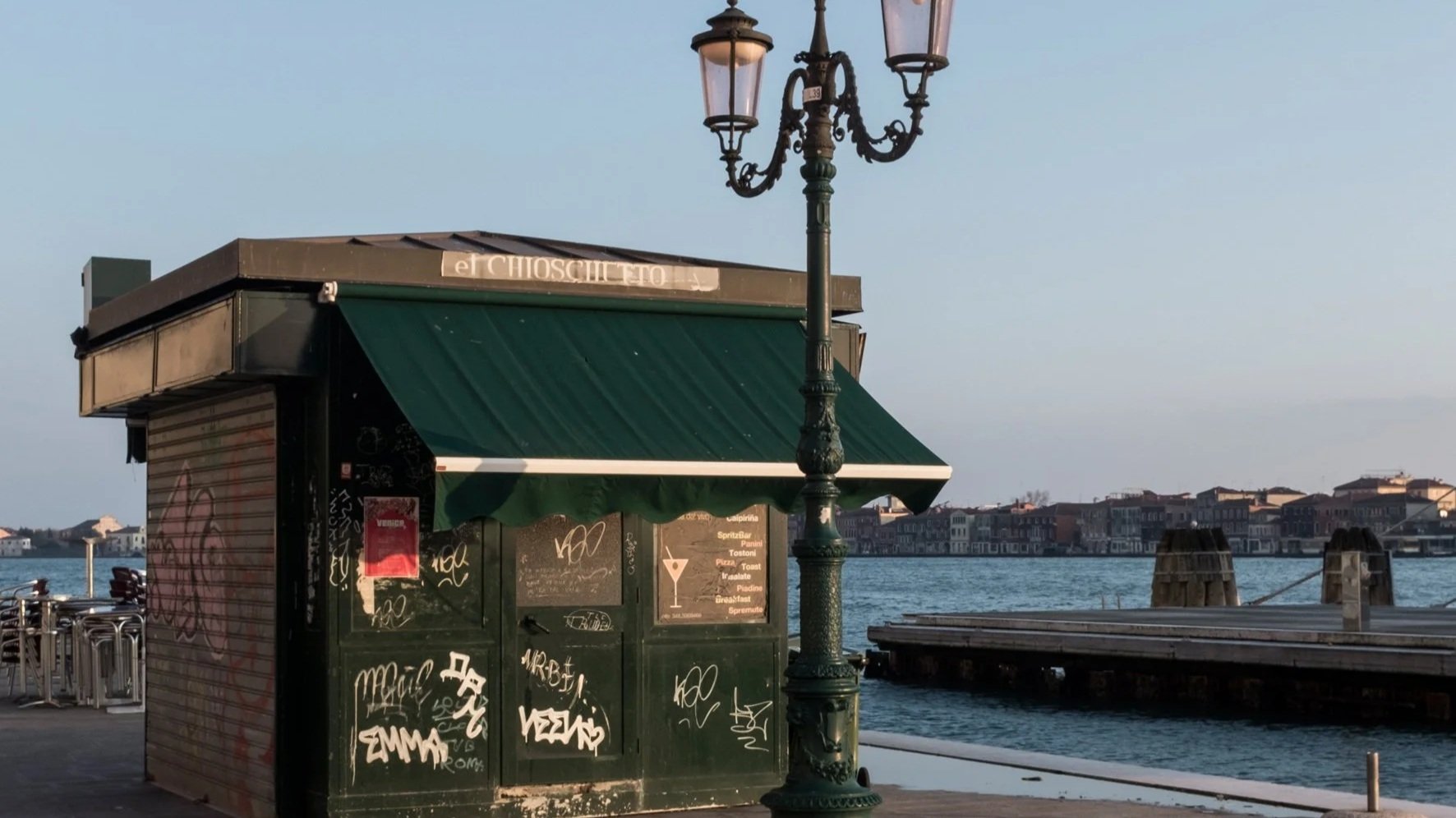
Venice
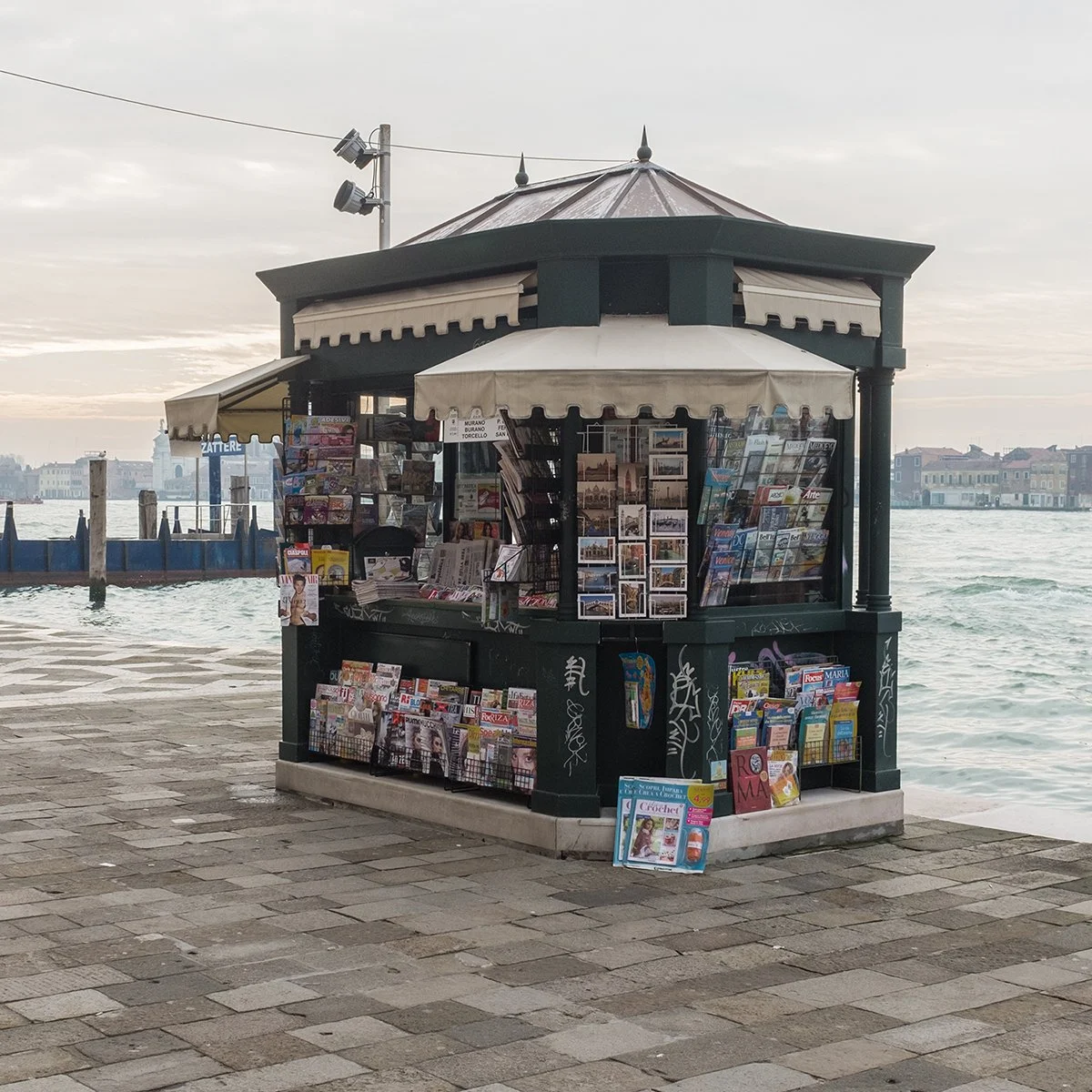
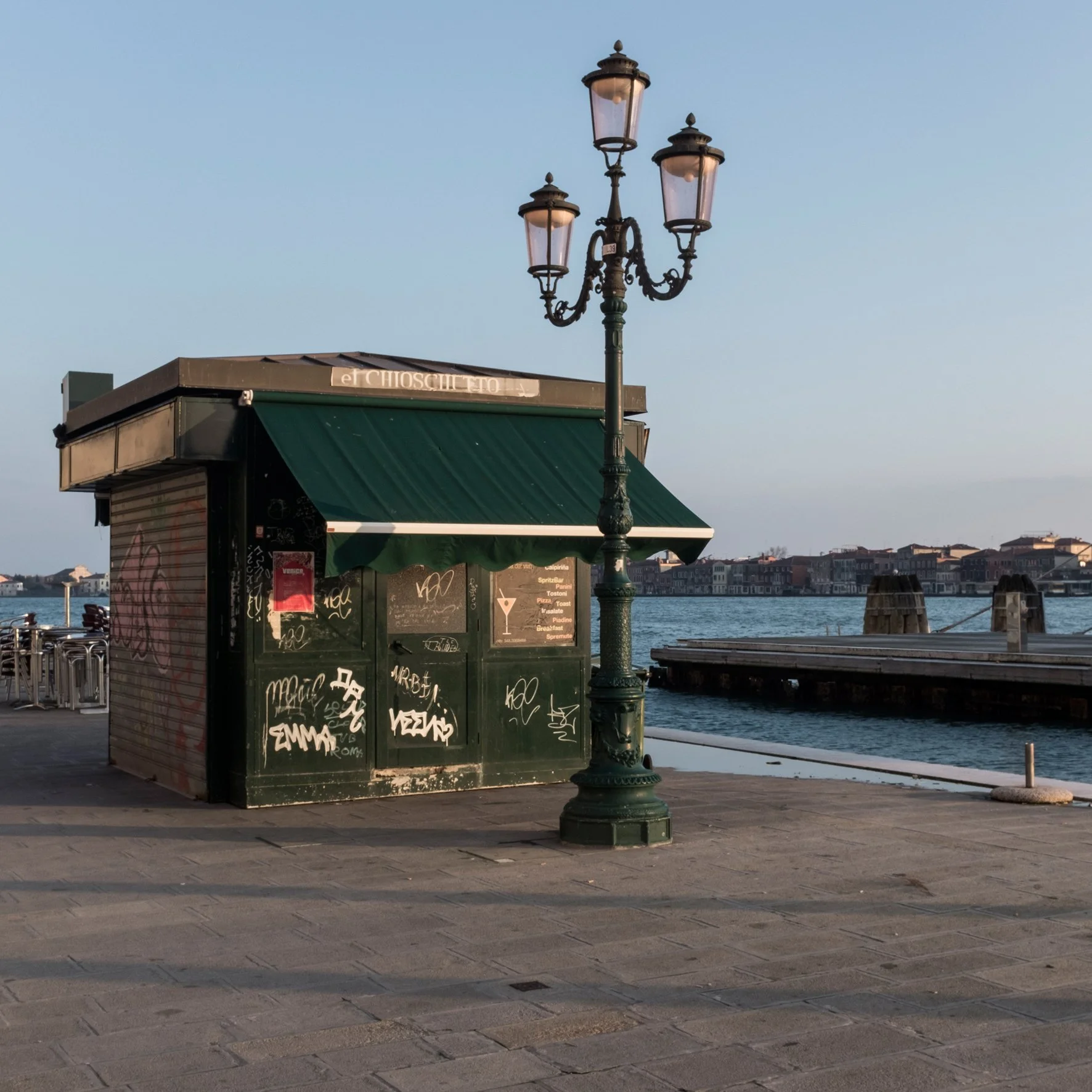
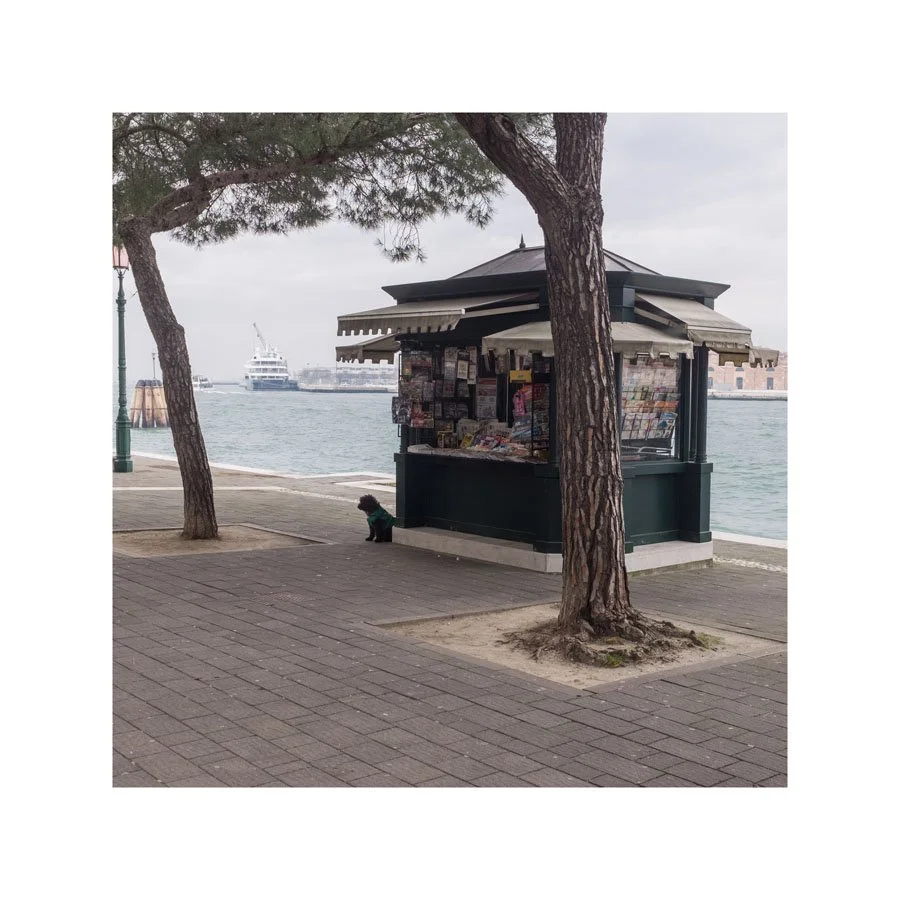
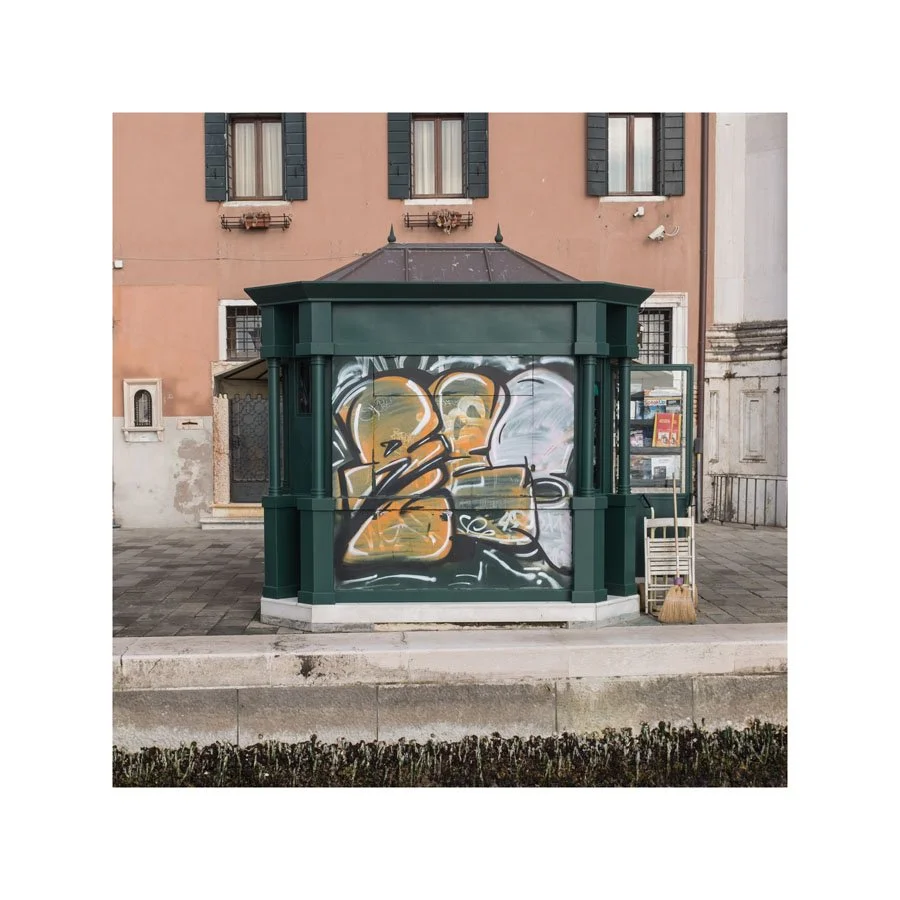
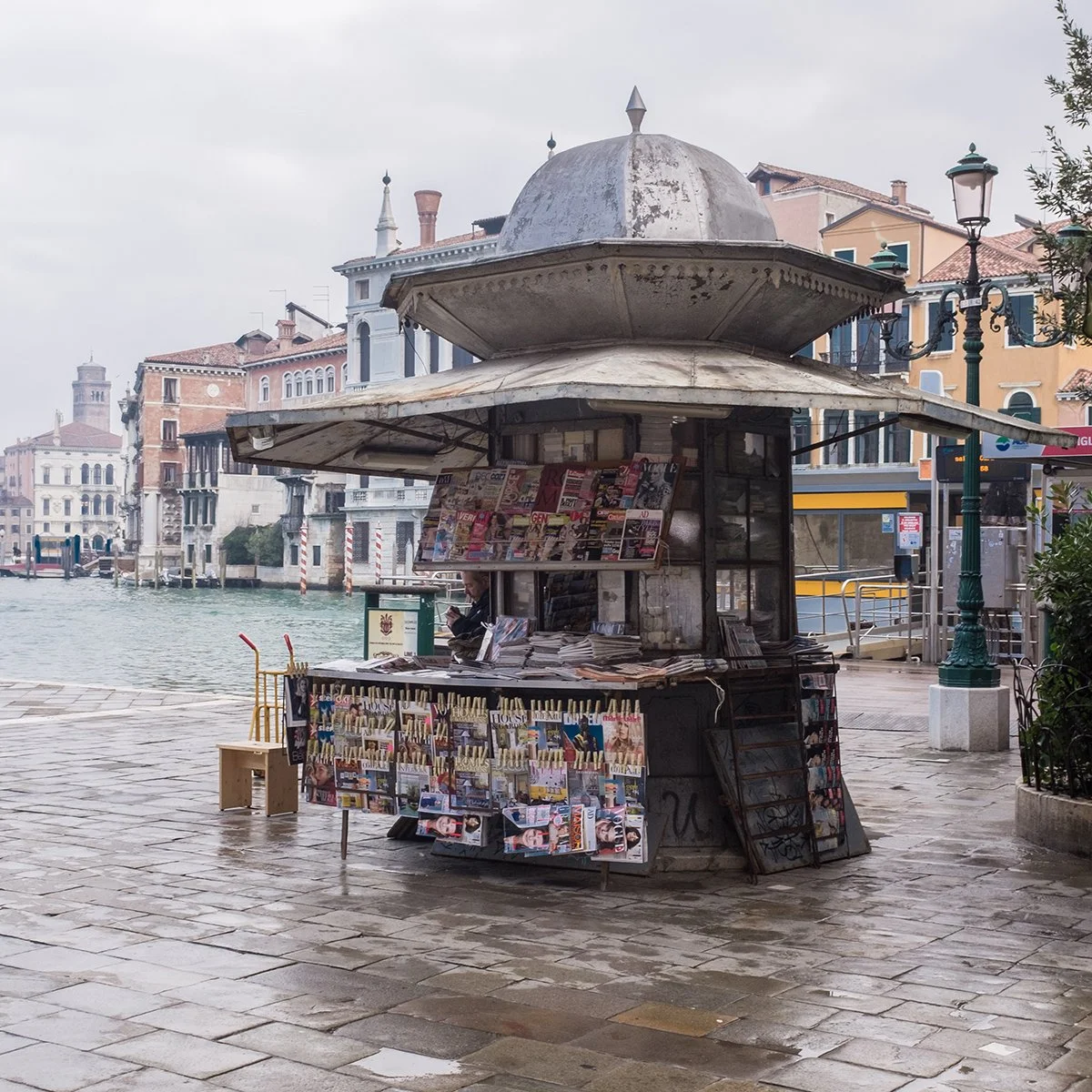
Remnants of Memory
Fine-art photographer Charles Johnstone explores the richly coloured canals and centuries-old alleyways of Venice in search of subjects for a new book project. A tribute to art and craftsmanship, Remnants of Memory celebrates the beauty found in overlooked things — in the inconspicuous, anonymous objects we encounter every day without giving them a second thought.
A film by Canobie films.
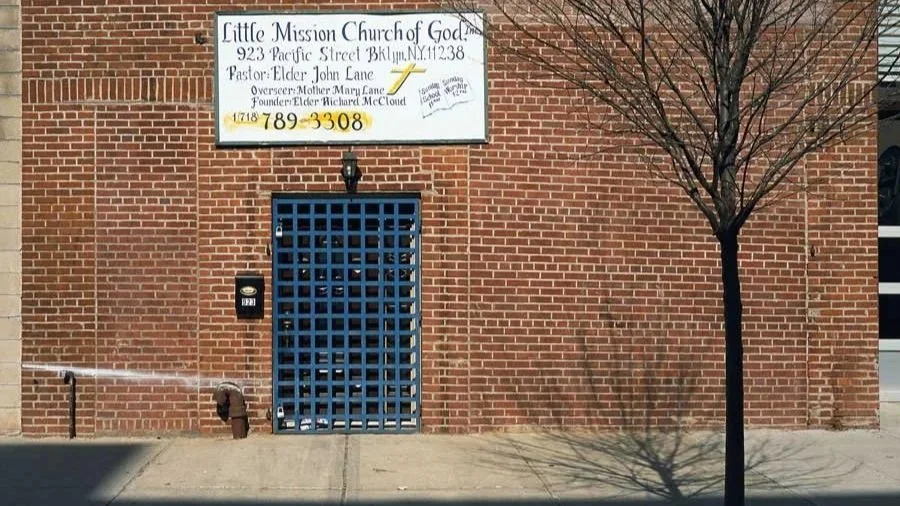
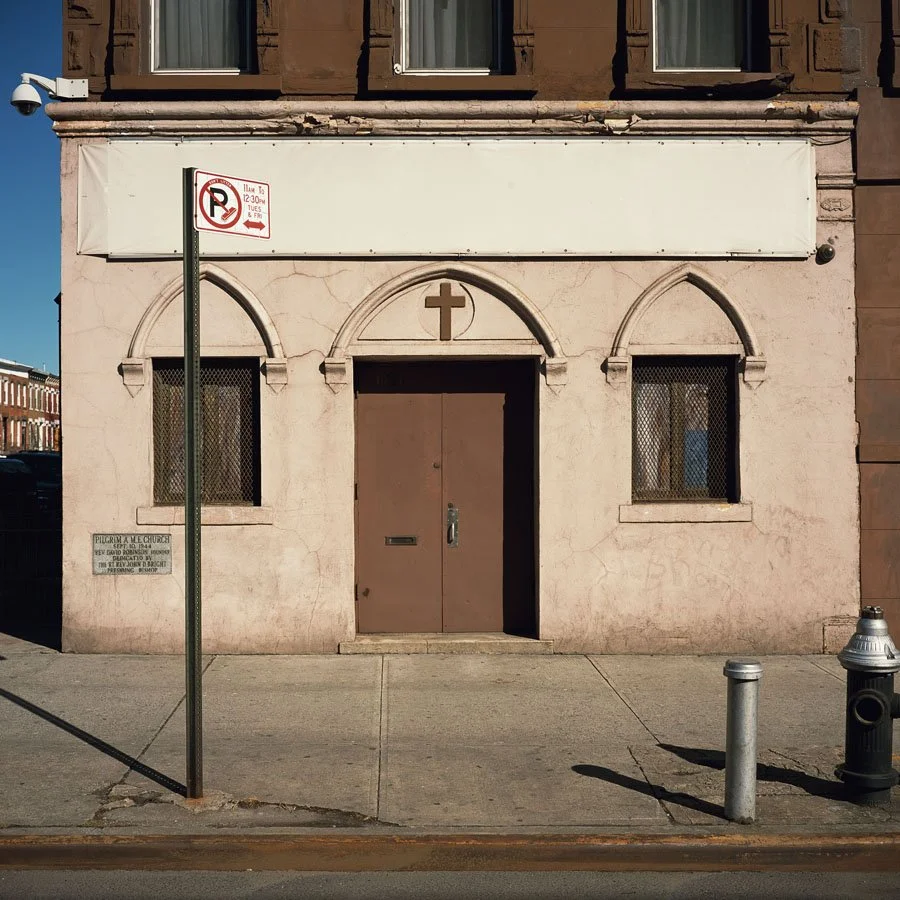
Churches
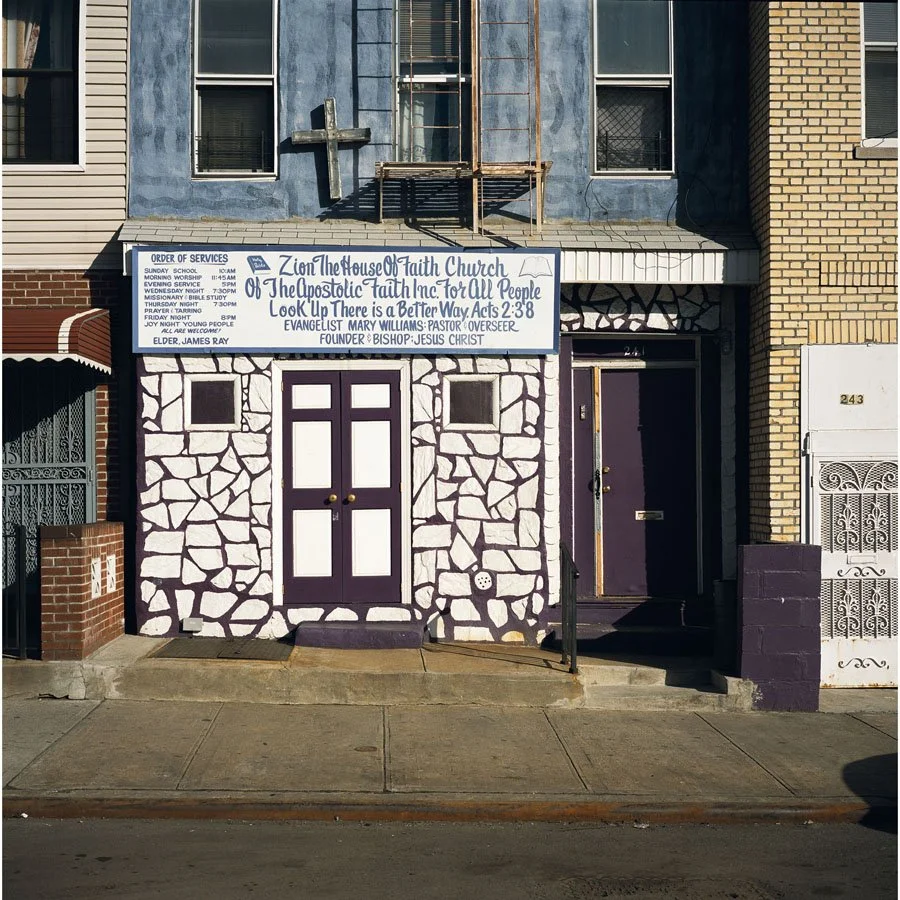
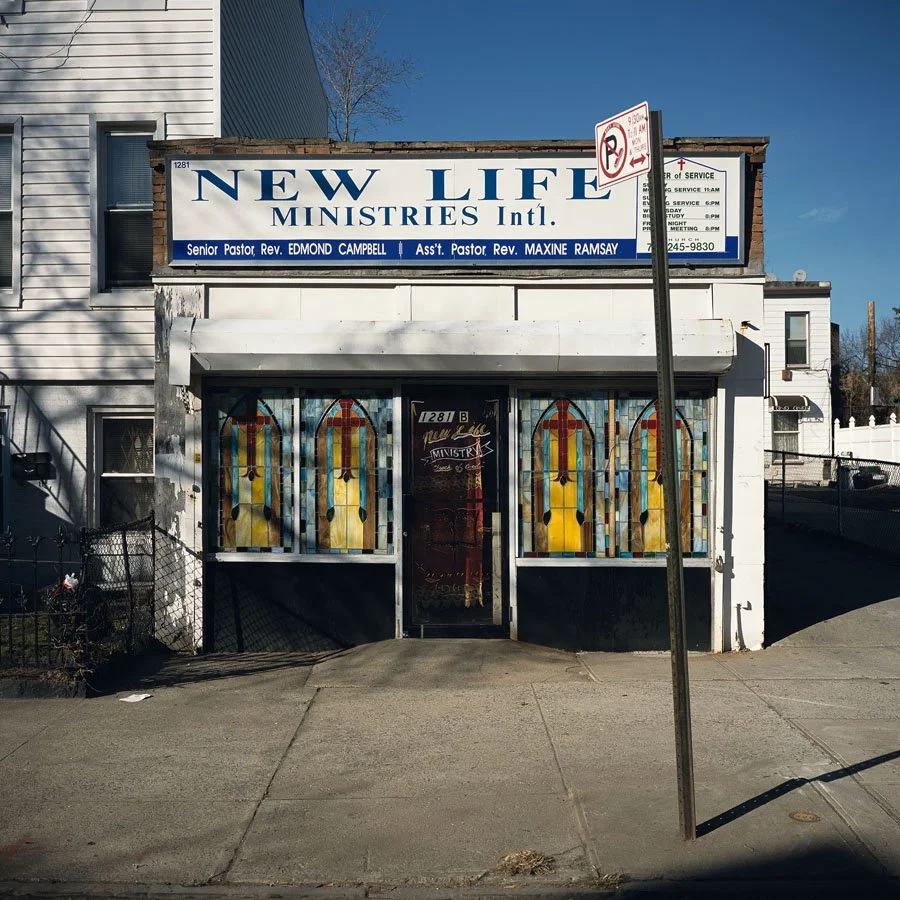
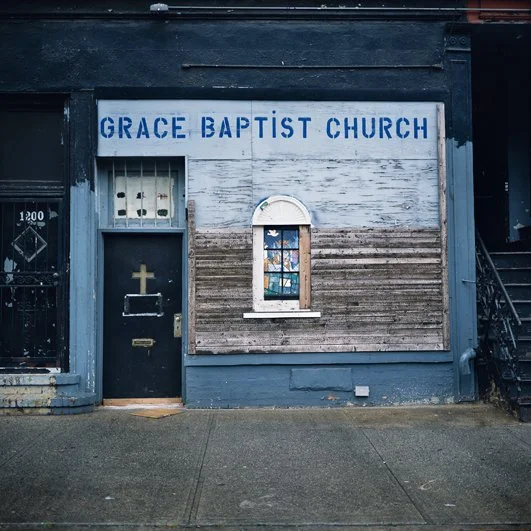
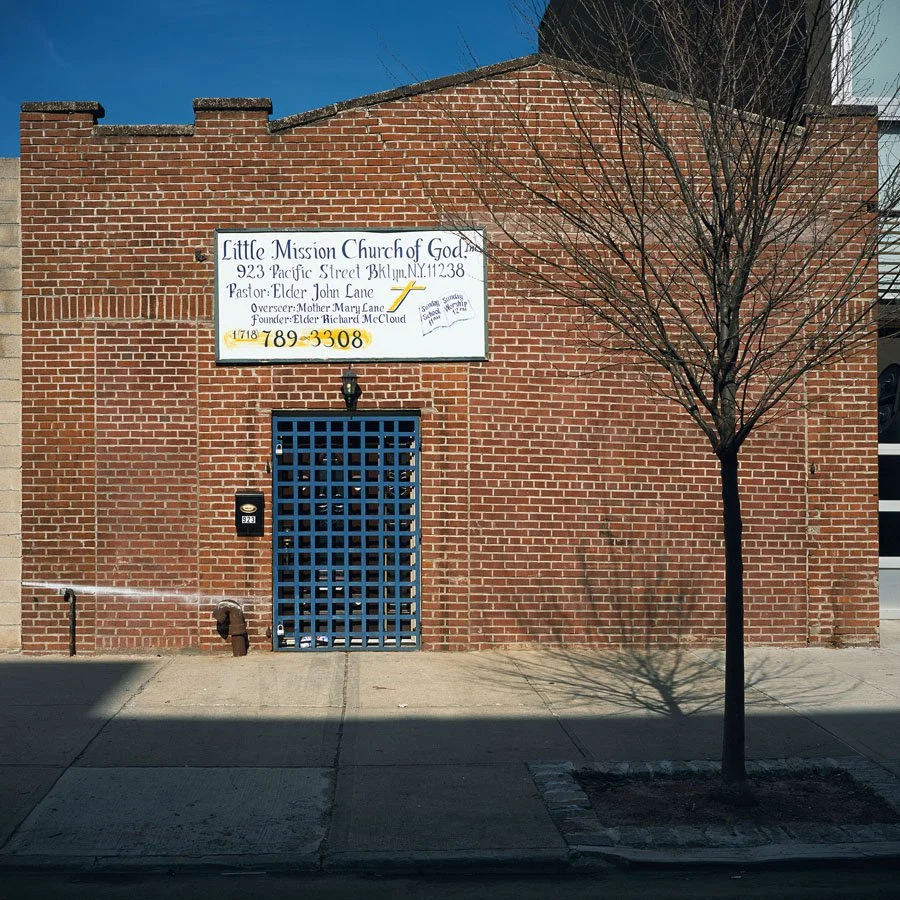
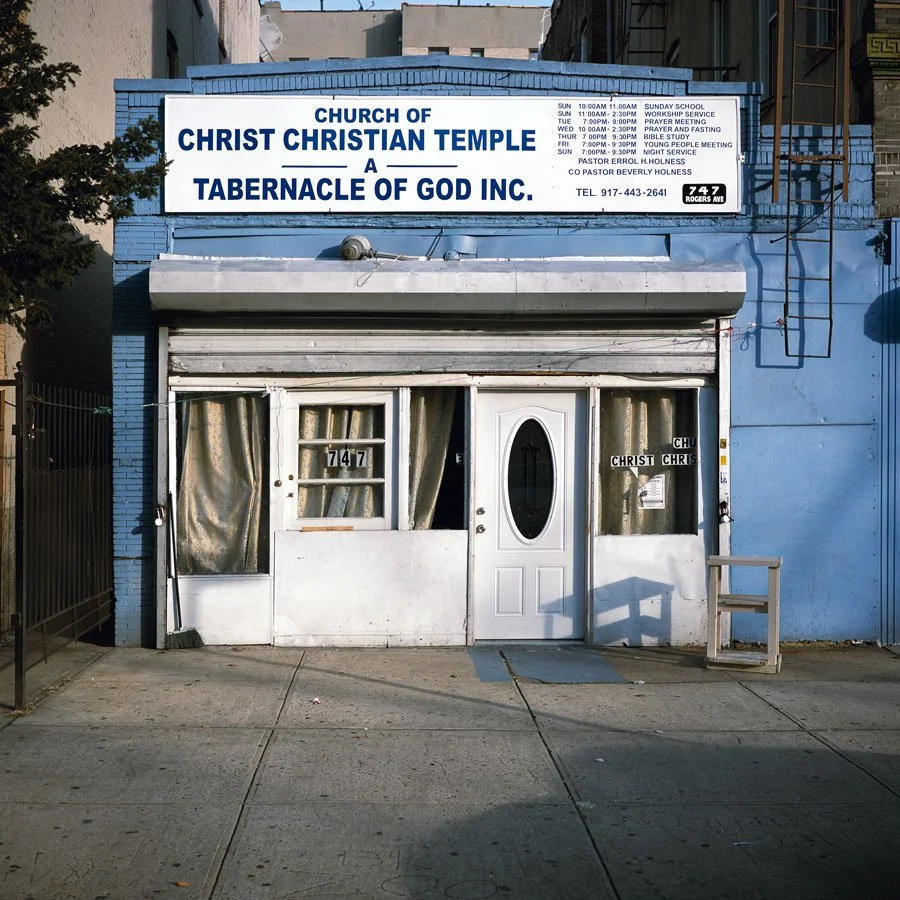
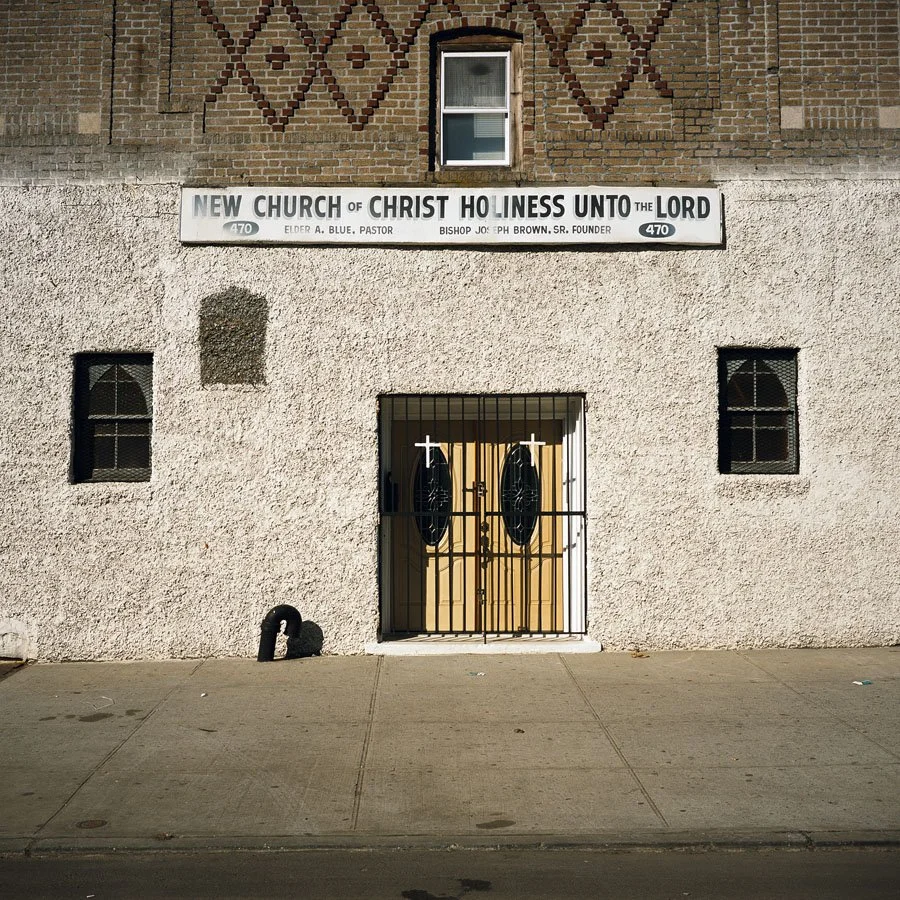
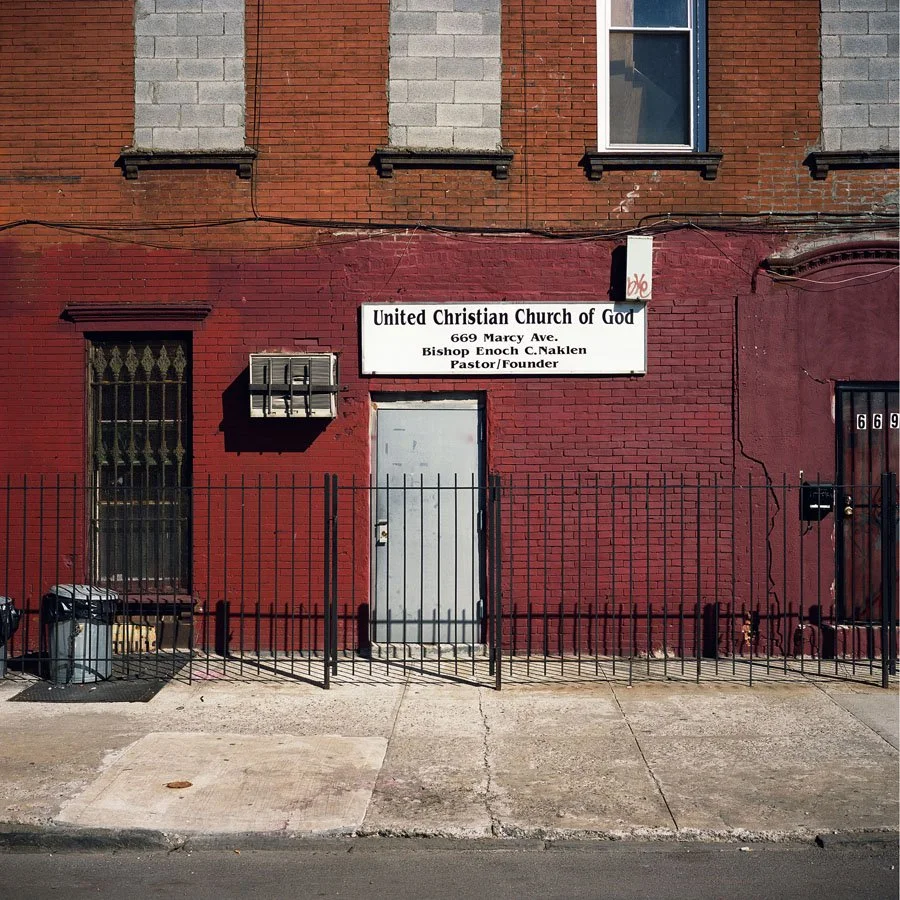
Amid the small shops, laundromats and bustling streets of New York City are the Storefront Churches — small churches established in former retail spaces. They are places of faith, community and hope, often shaped by the stories and experiences of the neighbourhoods they serve. Behind modest shopfront windows, a vibrant religious life unfolds, closely intertwined with the rhythms of everyday urban life. Charles Johnstone’s photographs draw attention to these otherwise inconspicuous spaces, revealing how faith, architecture and community shape the urban fabric of New York City.
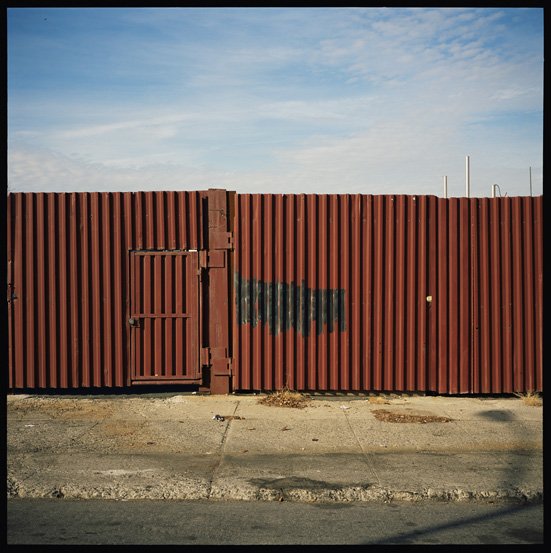
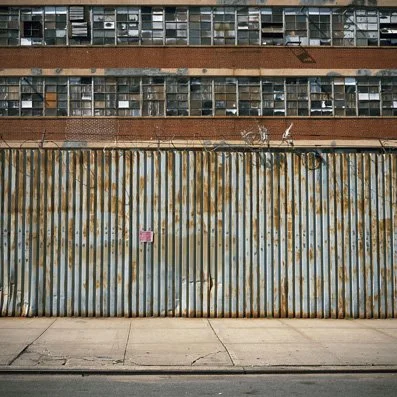
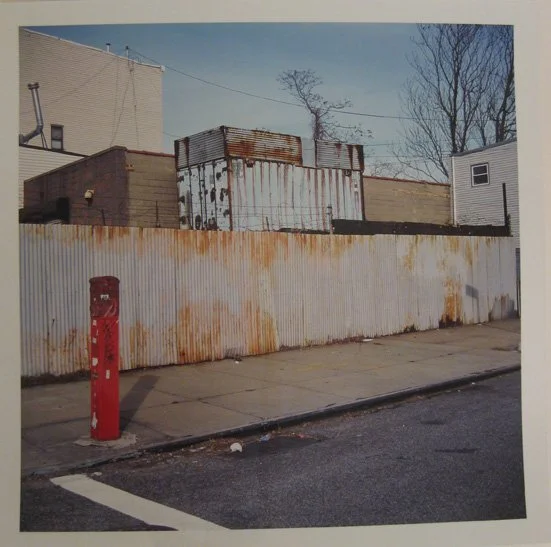
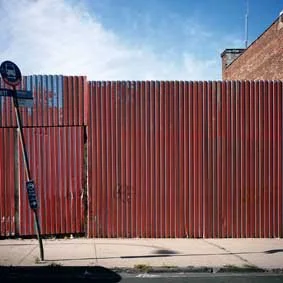
Fences
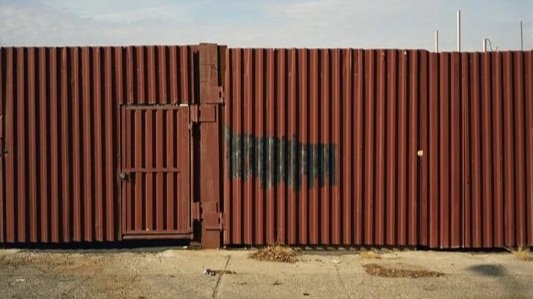
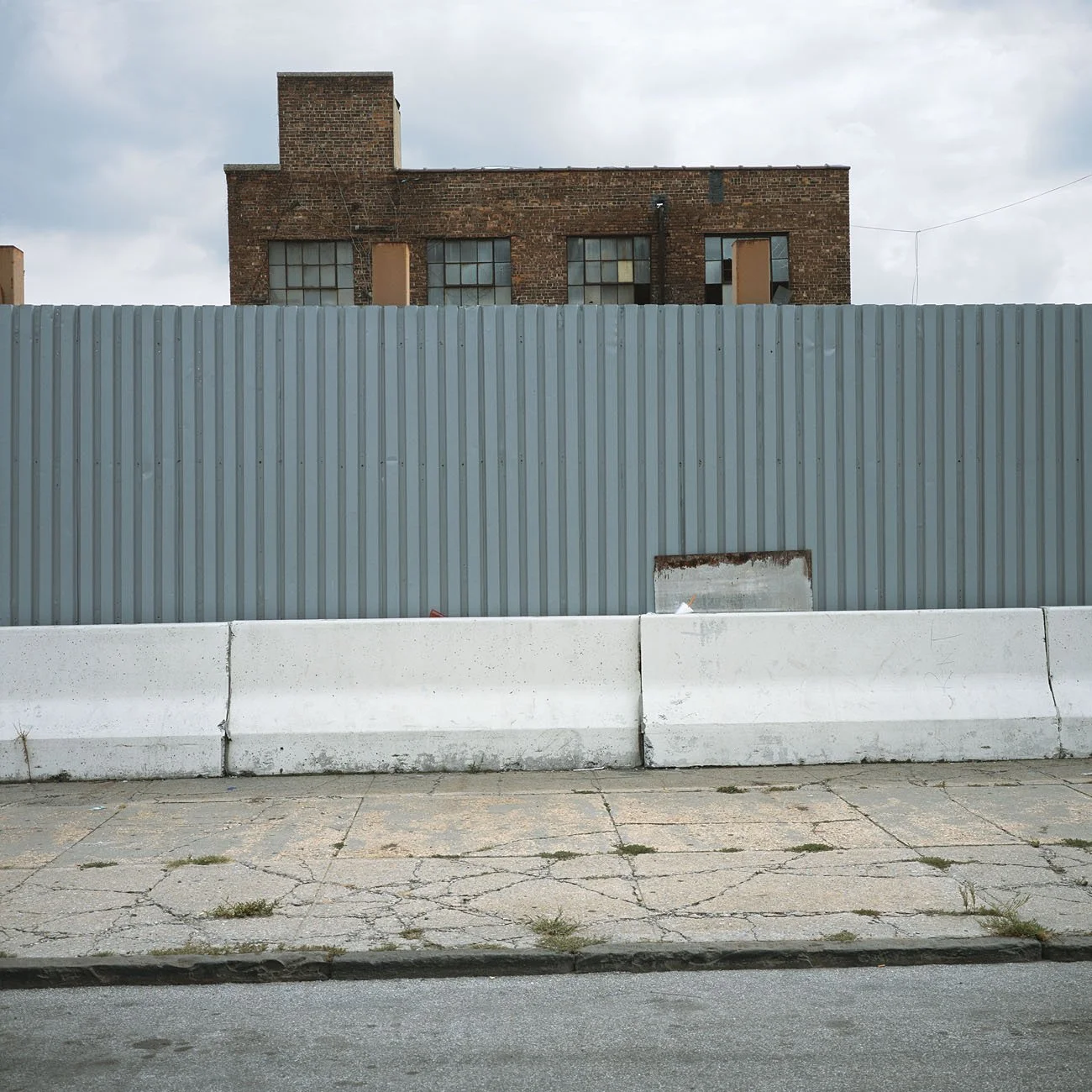
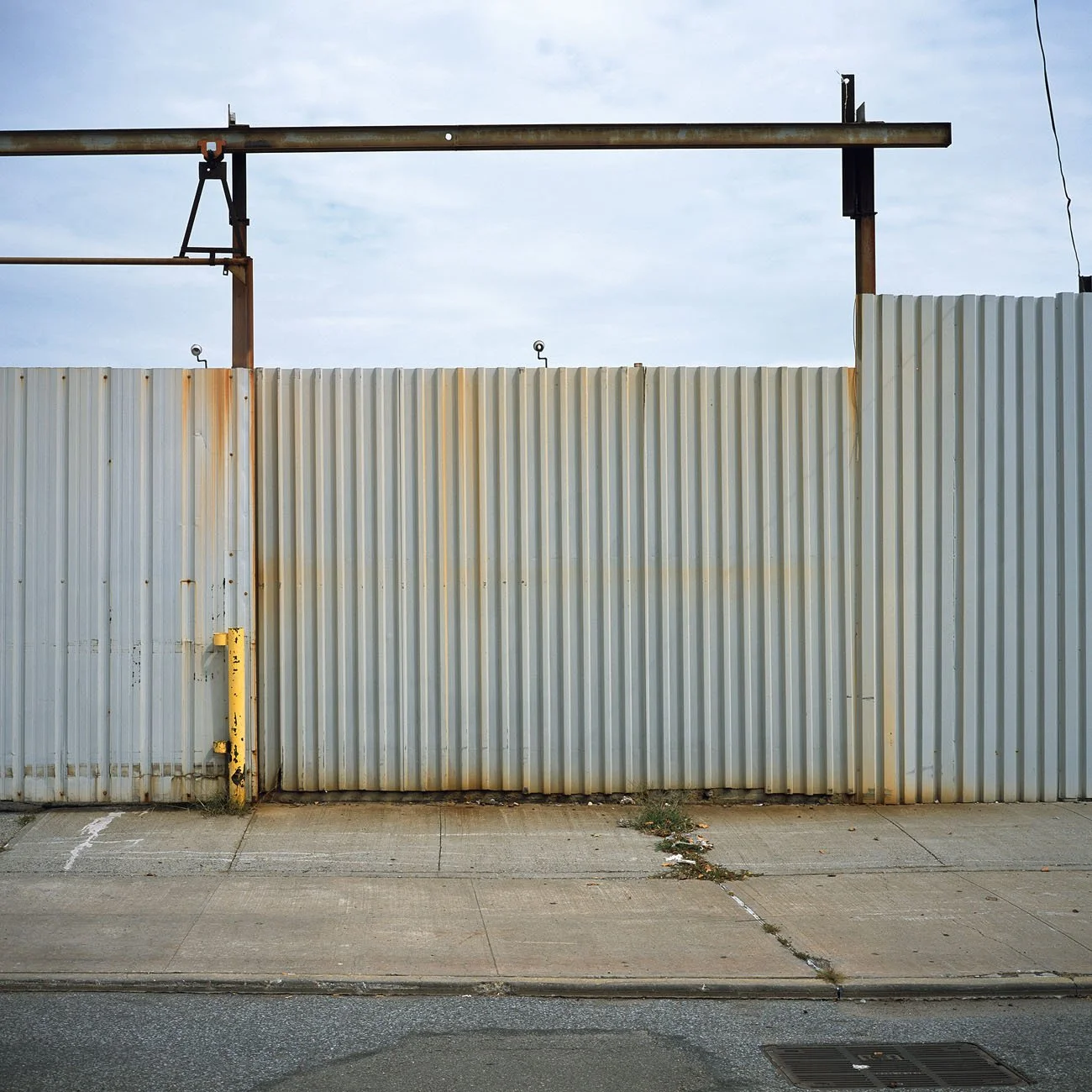
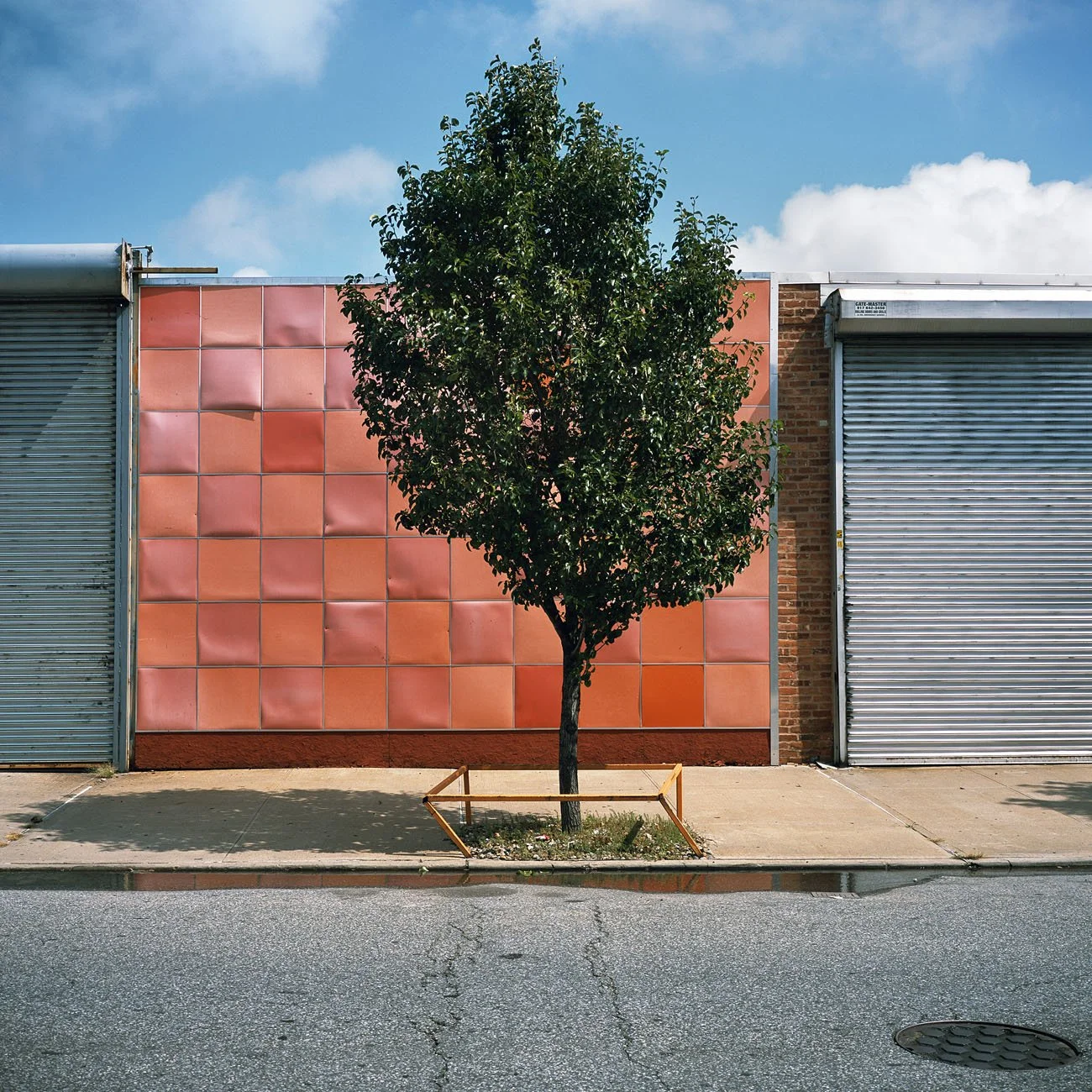
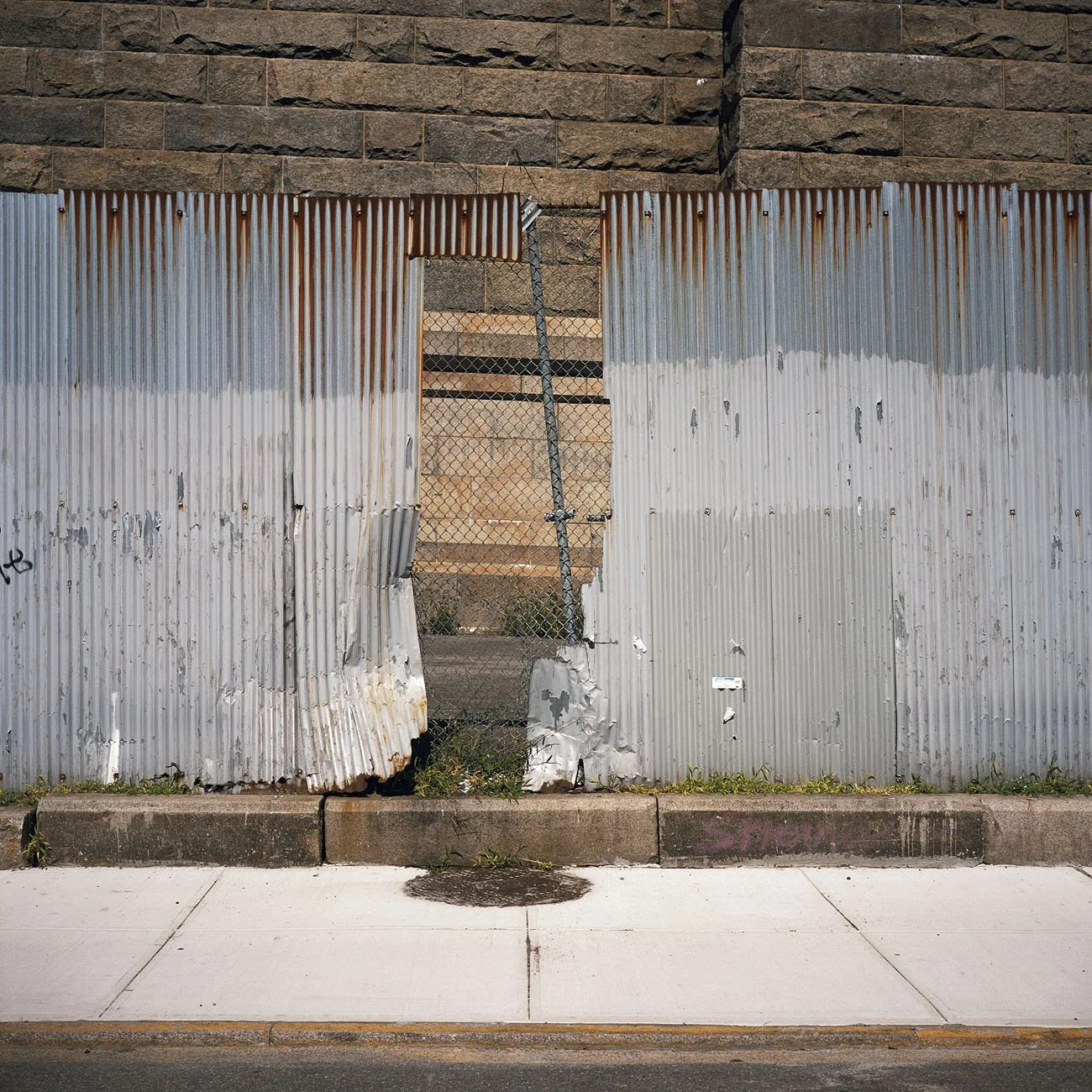
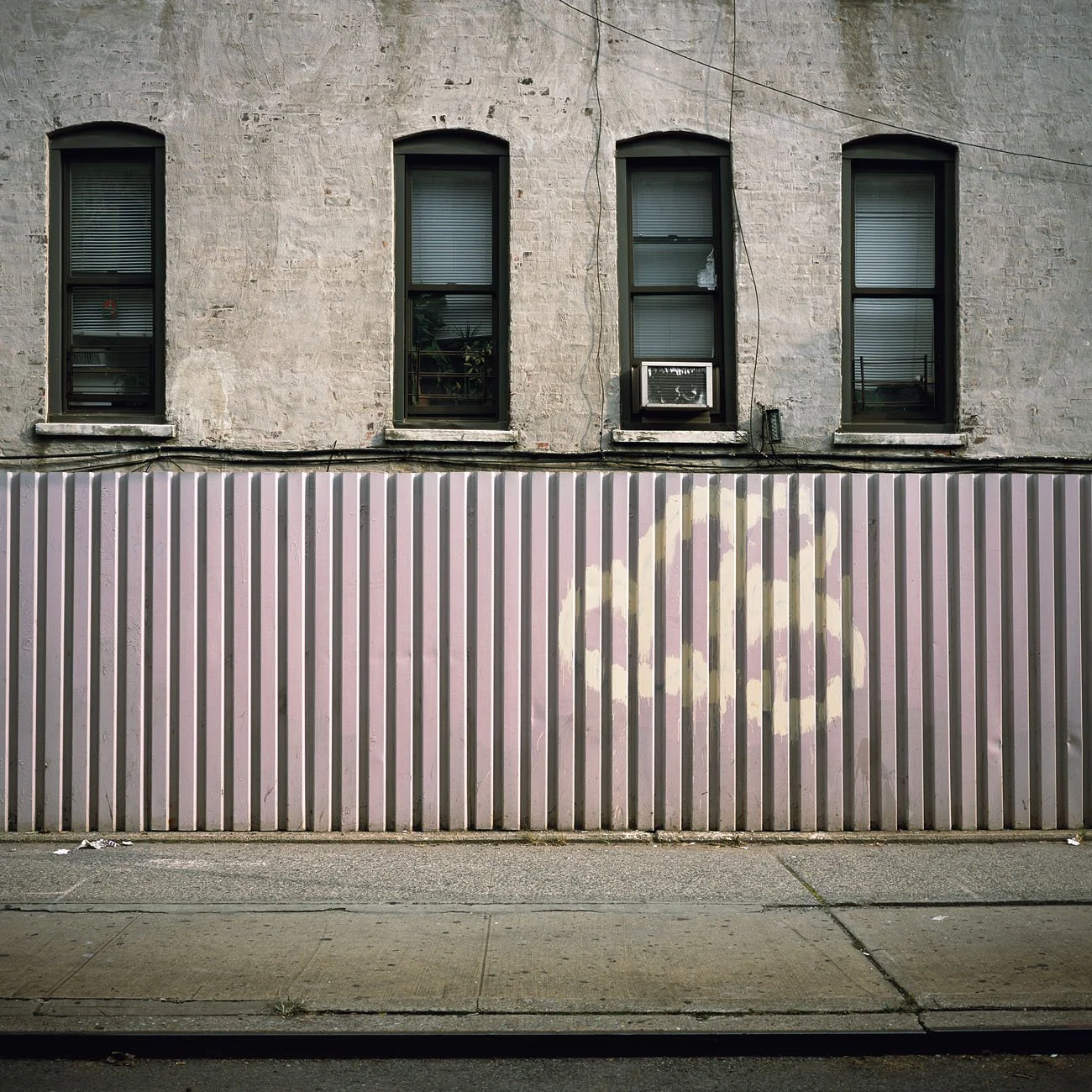
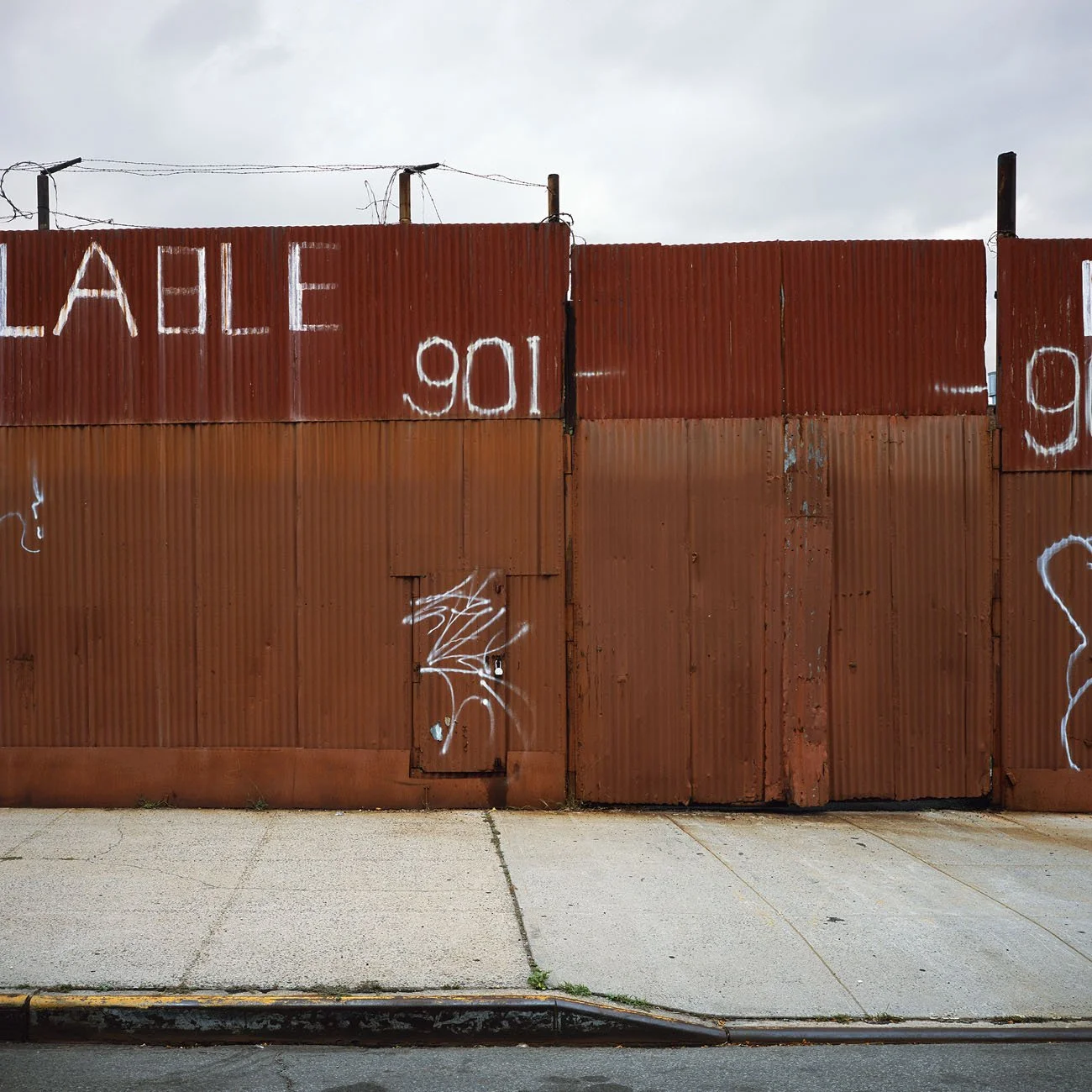
As in his other bodies of work, Johnstone turns his attention in the Iron Fences series to the often-overlooked elements of the urban landscape. He examines the inconspicuous structures that shape the cityscape and subtly organise public space. The iron fences that mark property boundaries, frame entrances and create transitions between private and public realms become subjects in their own right. Through his photographic approach, Johnstone removes them from their everyday function, drawing attention to their formal qualities, their structures and their presence within the urban environment. What would ordinarily go unnoticed in passing is thus brought to the forefront, opening up a new perspective on the familiar urban surroundings.
For further information and to discover the latest works, please visit the photographer’s website via the following link: