Newsletter Bewegung (EN)
Movement – Rhythm, Energy, Life
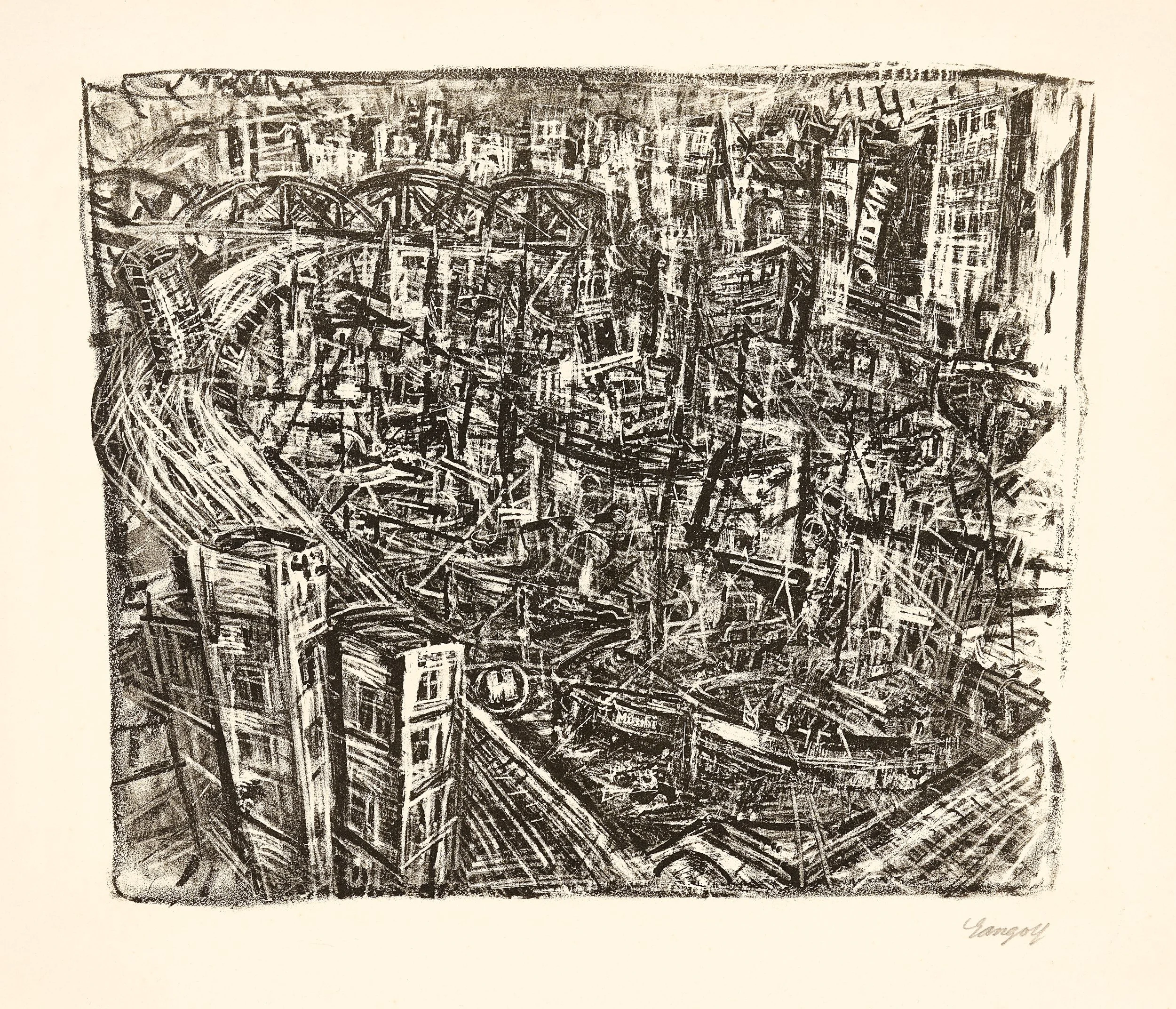
Movement is life made visible. It shapes our daily lives, our bodies, and our environment—and it has always been a central theme in art. The artists of Classical Modernism sought new ways to capture the fleeting, the pulsating, the ever-changing: the moment between two gestures, the crash of a wave, the momentum of a dance, or the surge of a city crowd.
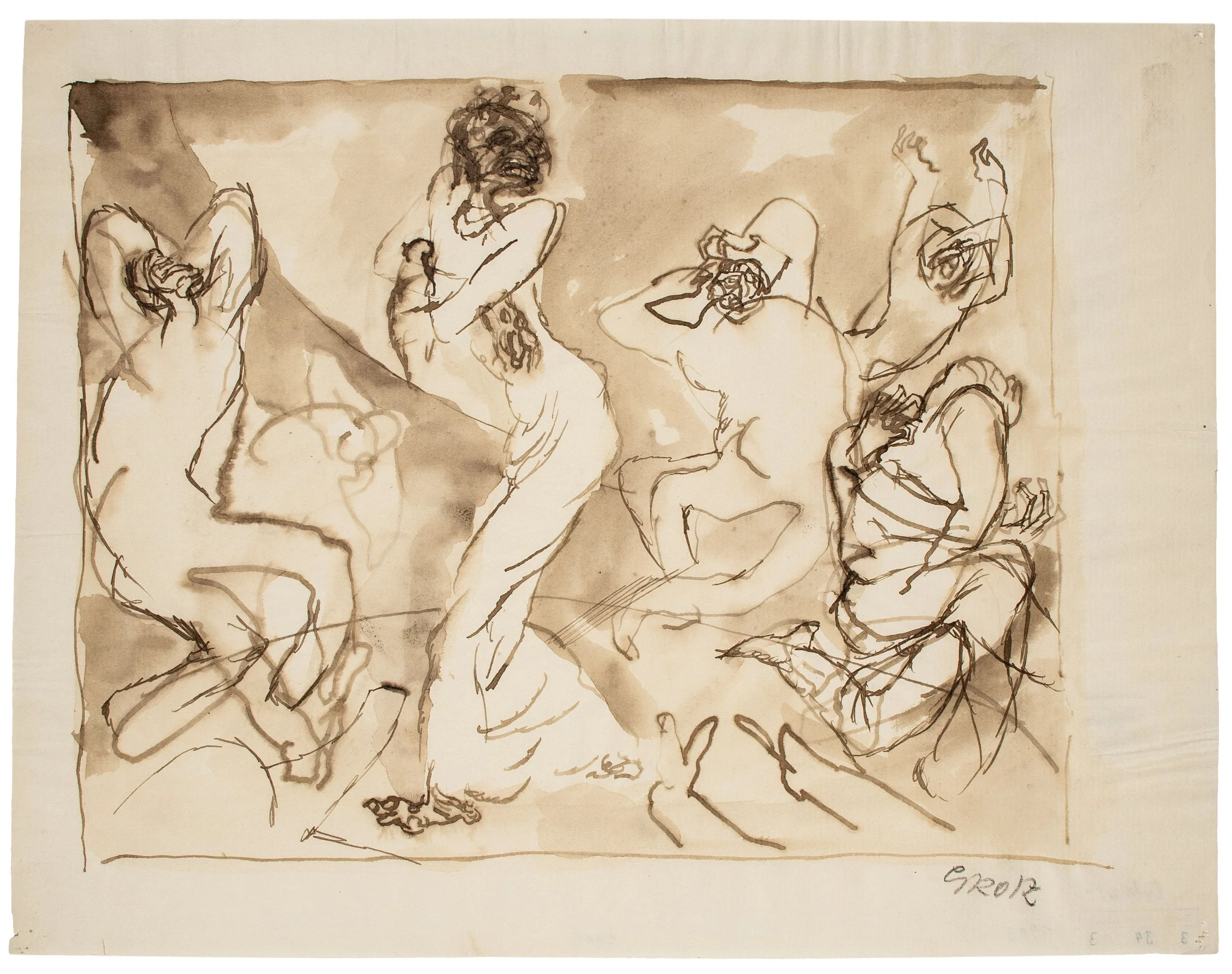
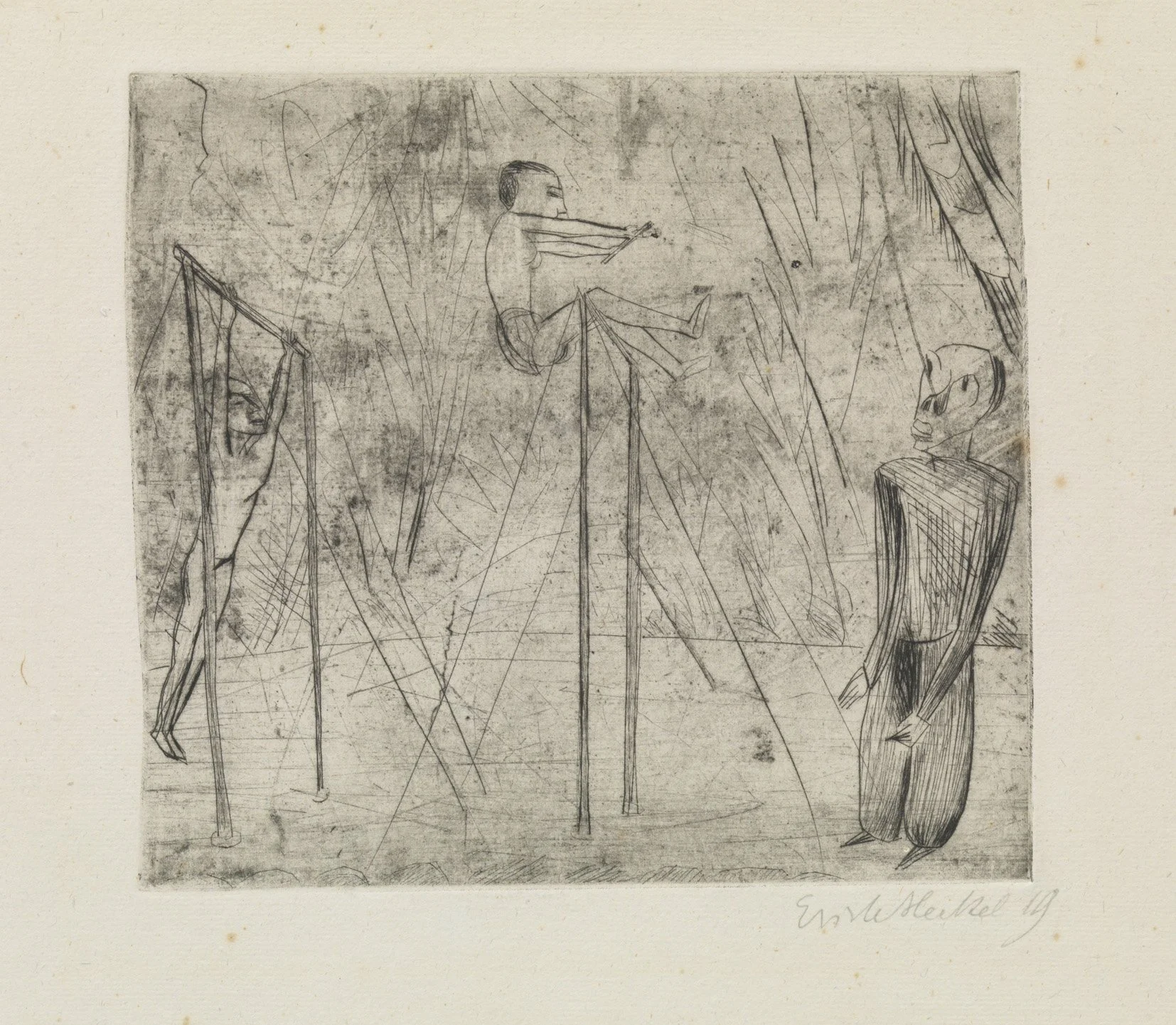
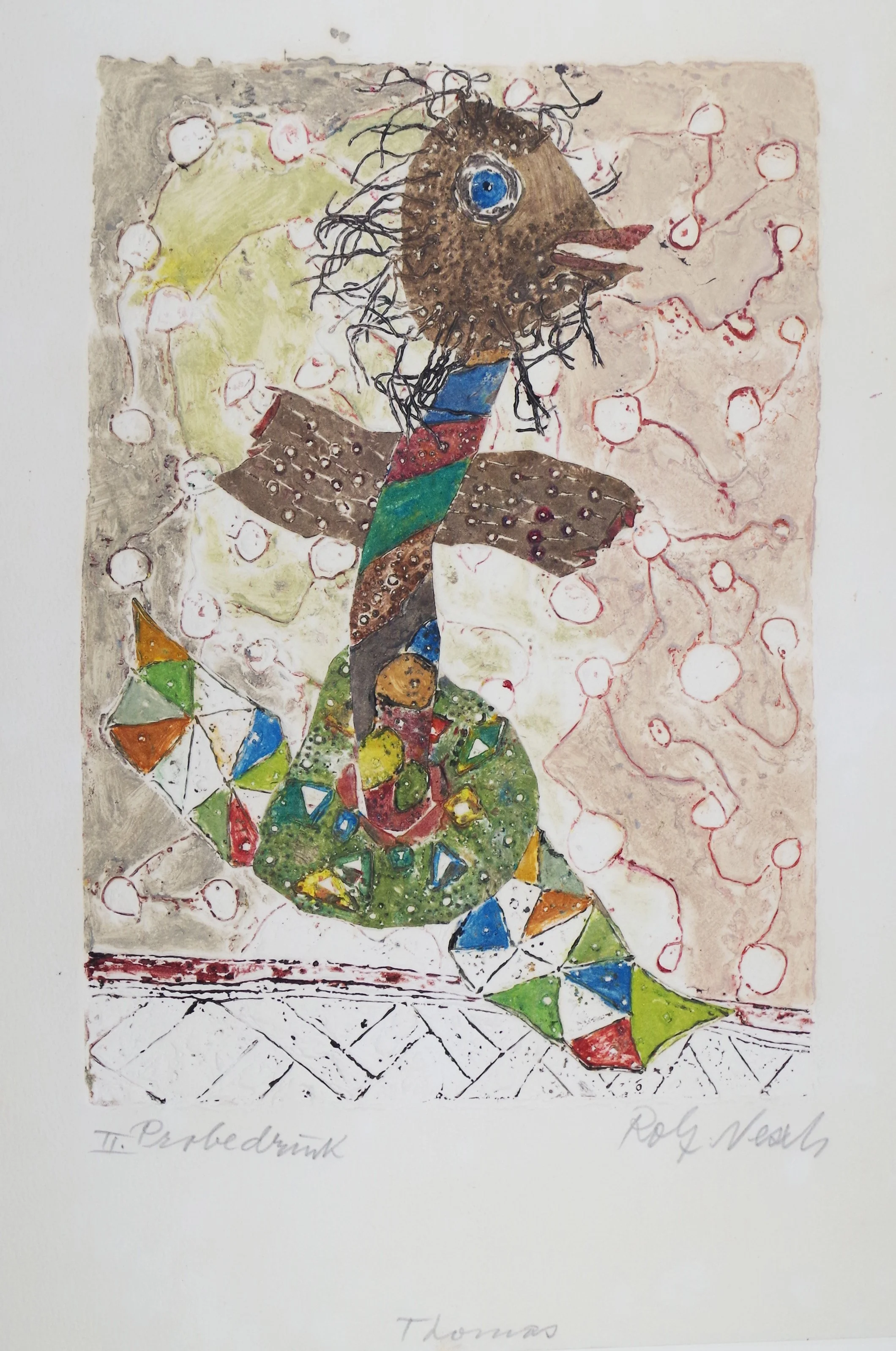
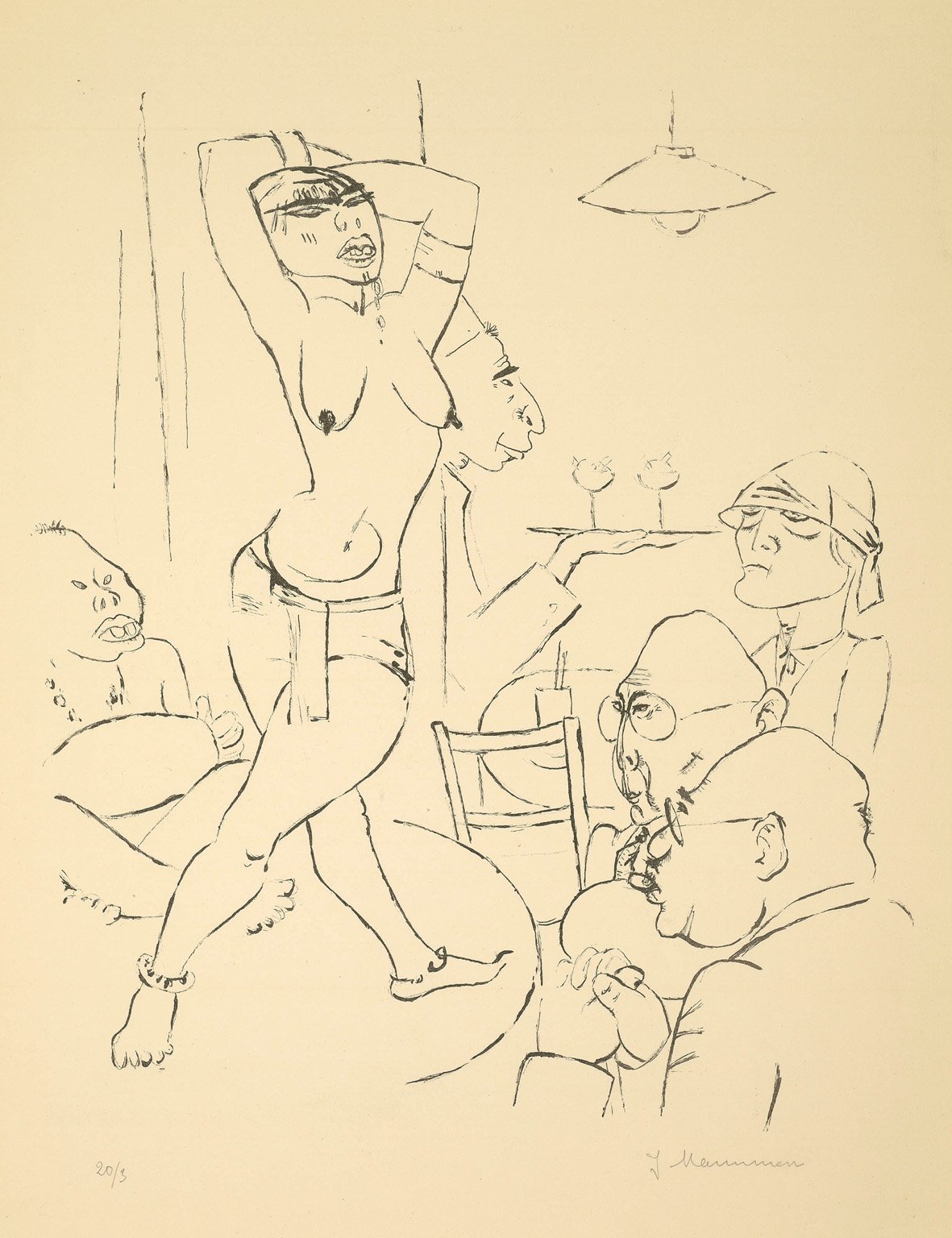
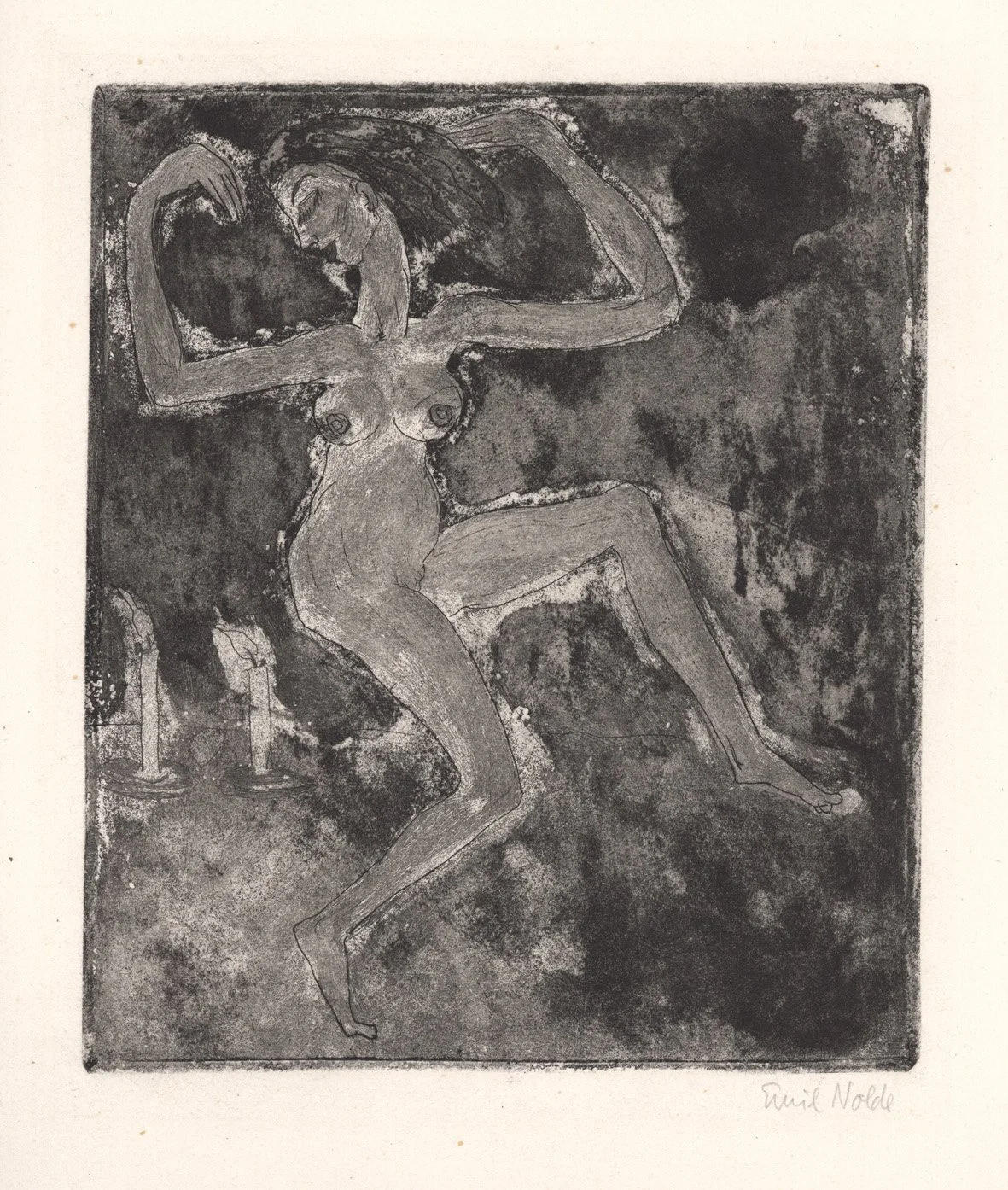
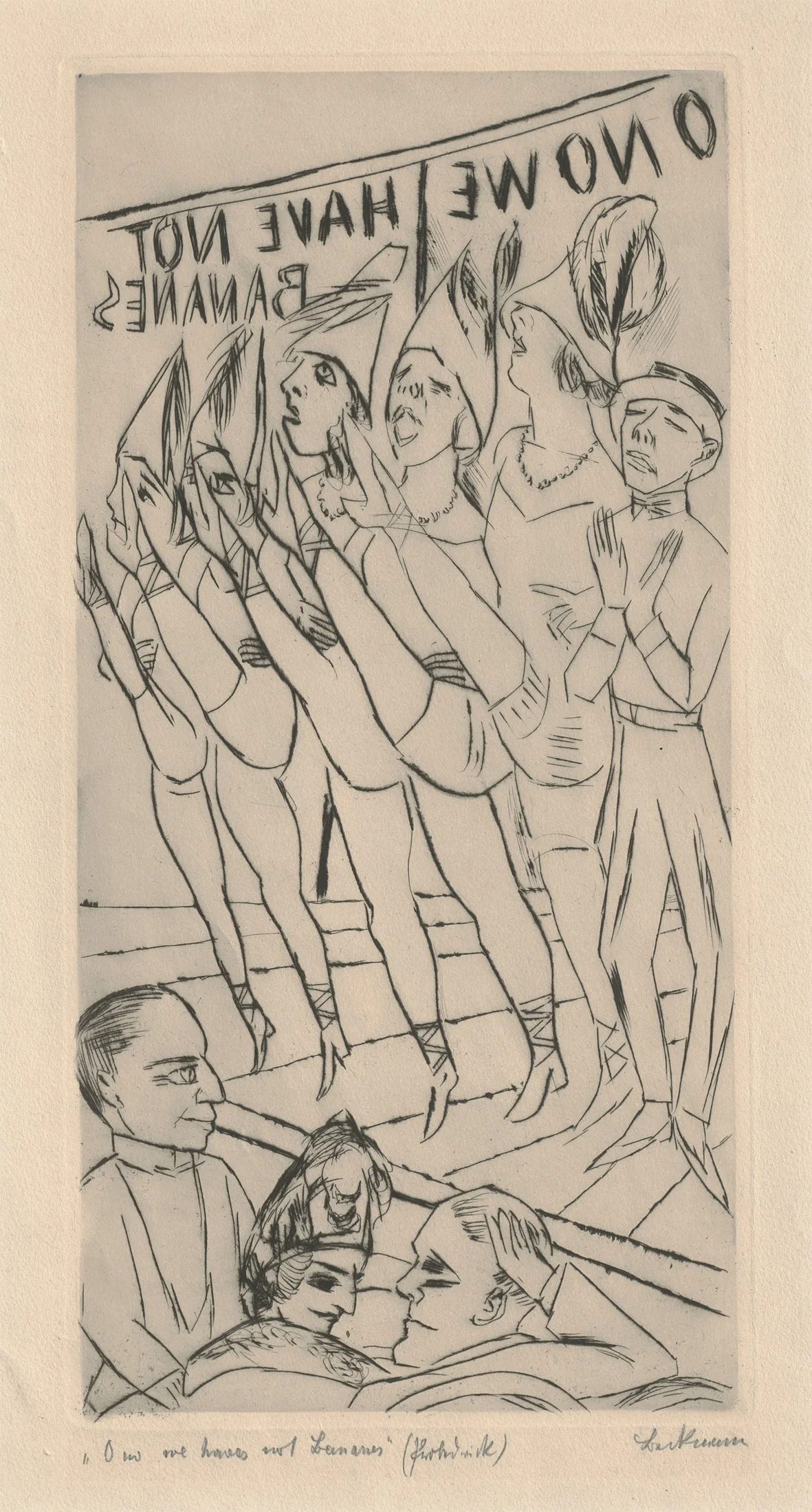
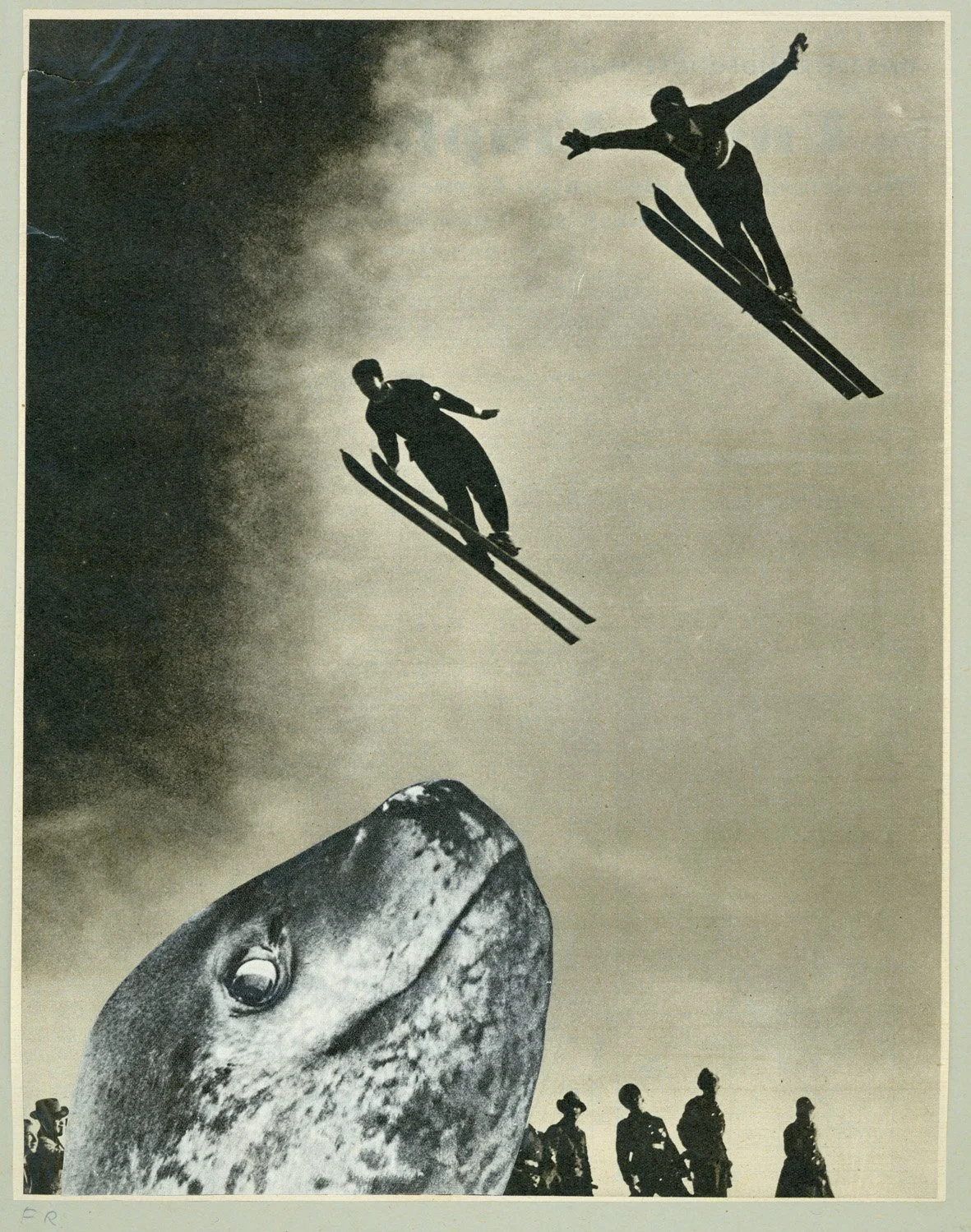
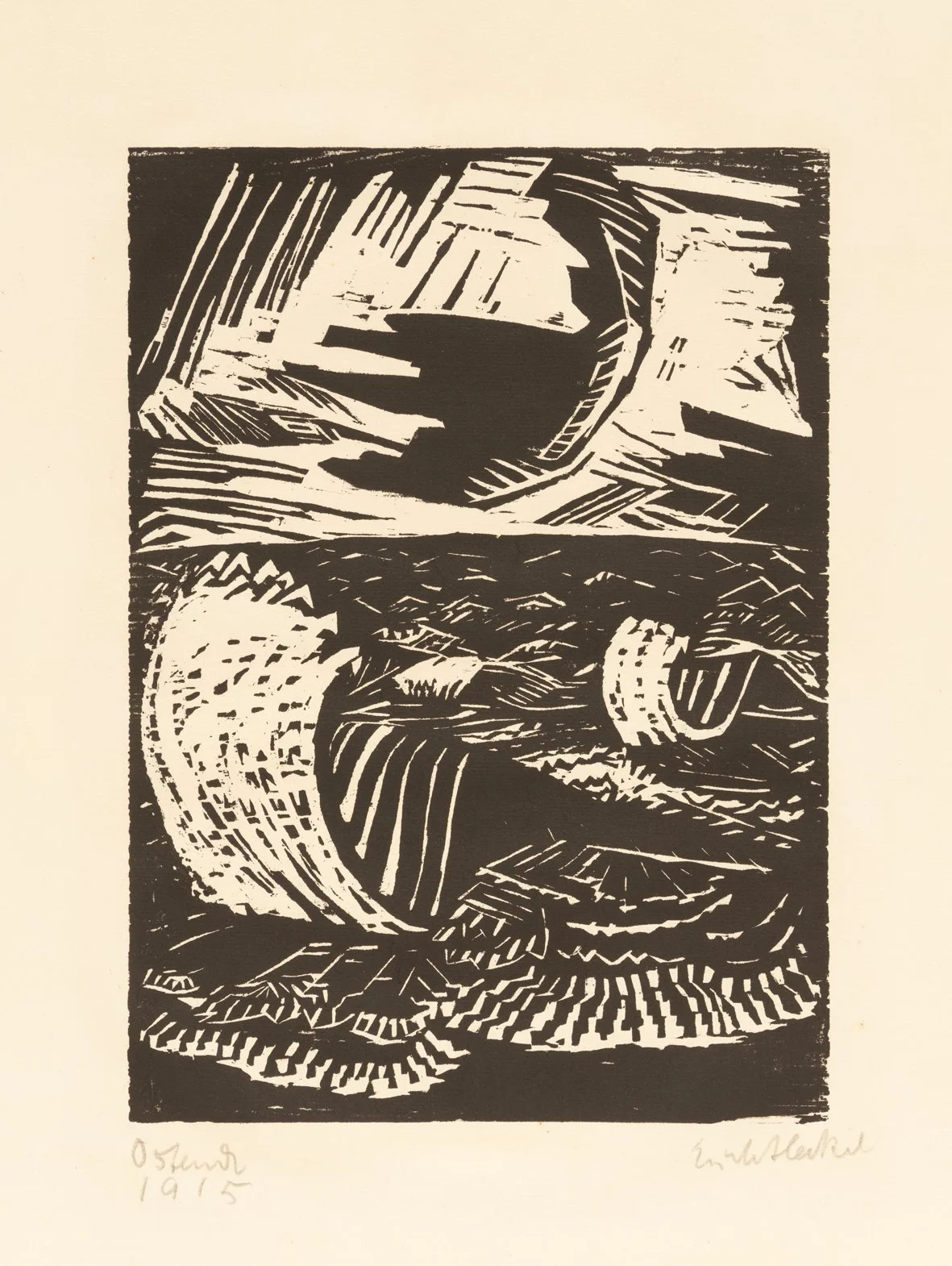
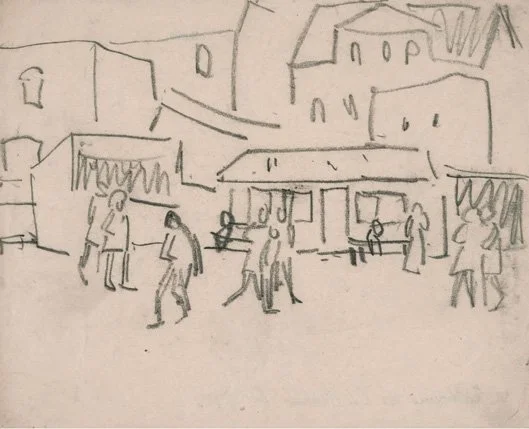
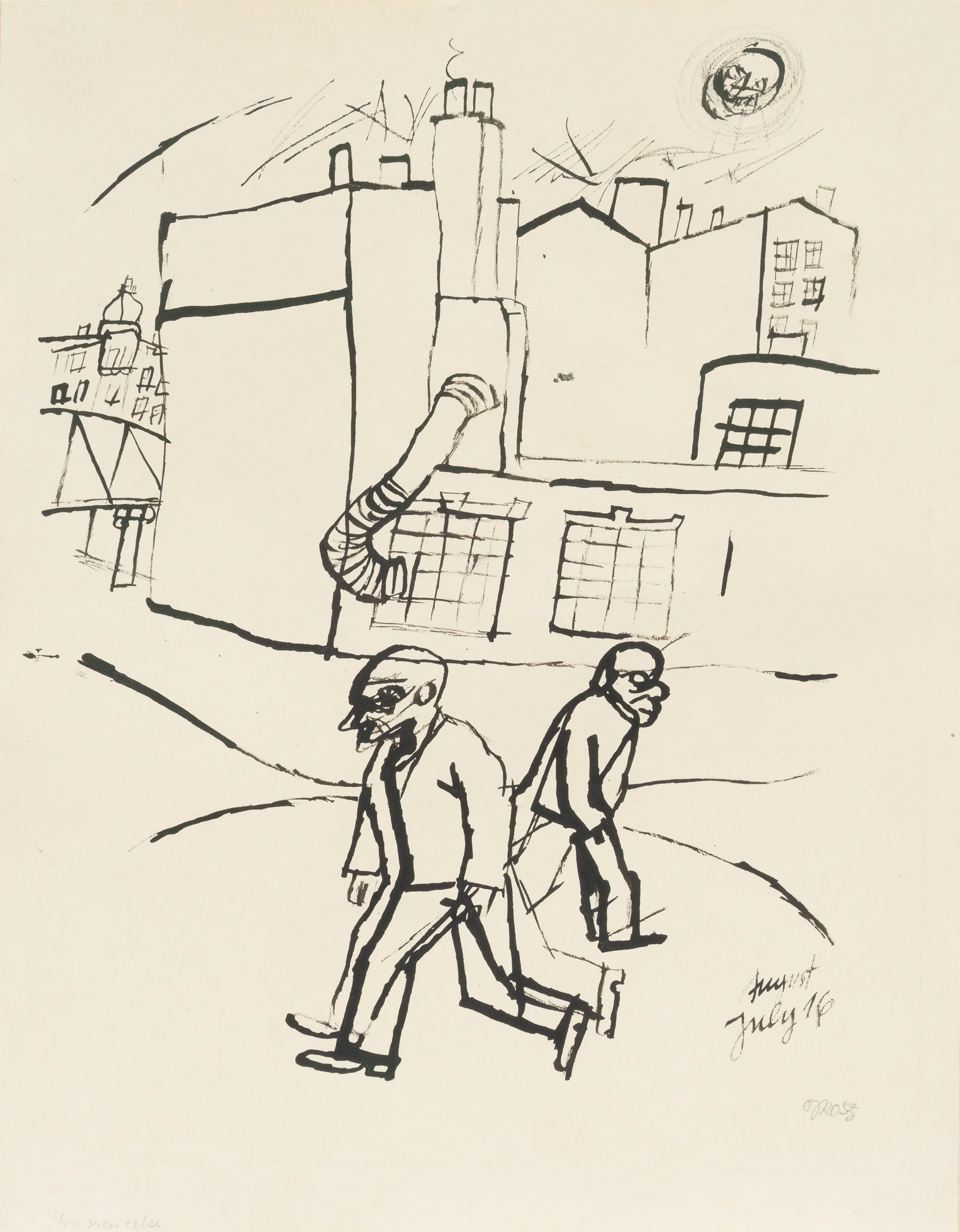
The works gathered here depict movement in all its facets—physical, rhythmic, emotional. Max Beckmann draws us into the vibrant bustle of the variety theater, Erich Heckel captures the energy of the surf and the athletic momentum of a high bar gymnast, while Ernst Ludwig Kirchner brings the fairground to life as a place of restless vitality. George Grosz observes the hectic pulse of the street, Jeanne Mammen the elegance of a dancing figure. In the works of Christian Rohlfs, Rolf Nesch, and Franz Roh, too, one senses the dynamism of the time—an echo of that era in which speed, sport, and movement became symbols of modernity.
Whether dance, sport, or the forces of nature—here, movement becomes an expression of freedom, passion, and change. Each of these works demonstrates that art does not stand still, but remains in constant motion—just like life itself.