Newsletter Raucher (EN)
The Smoke of Modern Art
Whether a pipe, a cigar or a cigarette – the figure of the smoker has appeared throughout art history in countless forms. At times, smoking conveys a sense of calm, pleasure and contemplation; at others, it becomes a symbol of rebellion, introspection or the fleeting nature of life. From the relaxed pipe smokers of Dutch genre painting to the emblematic smoking figures of modernism, each representation reveals a story of its own.
These seemingly simple gestures invite a closer look, for a small curl of smoke can often conceal far more meaning than first meets the eye. The following works invite you to discover the many-layered visual and cultural meanings embedded in this enduring motif.
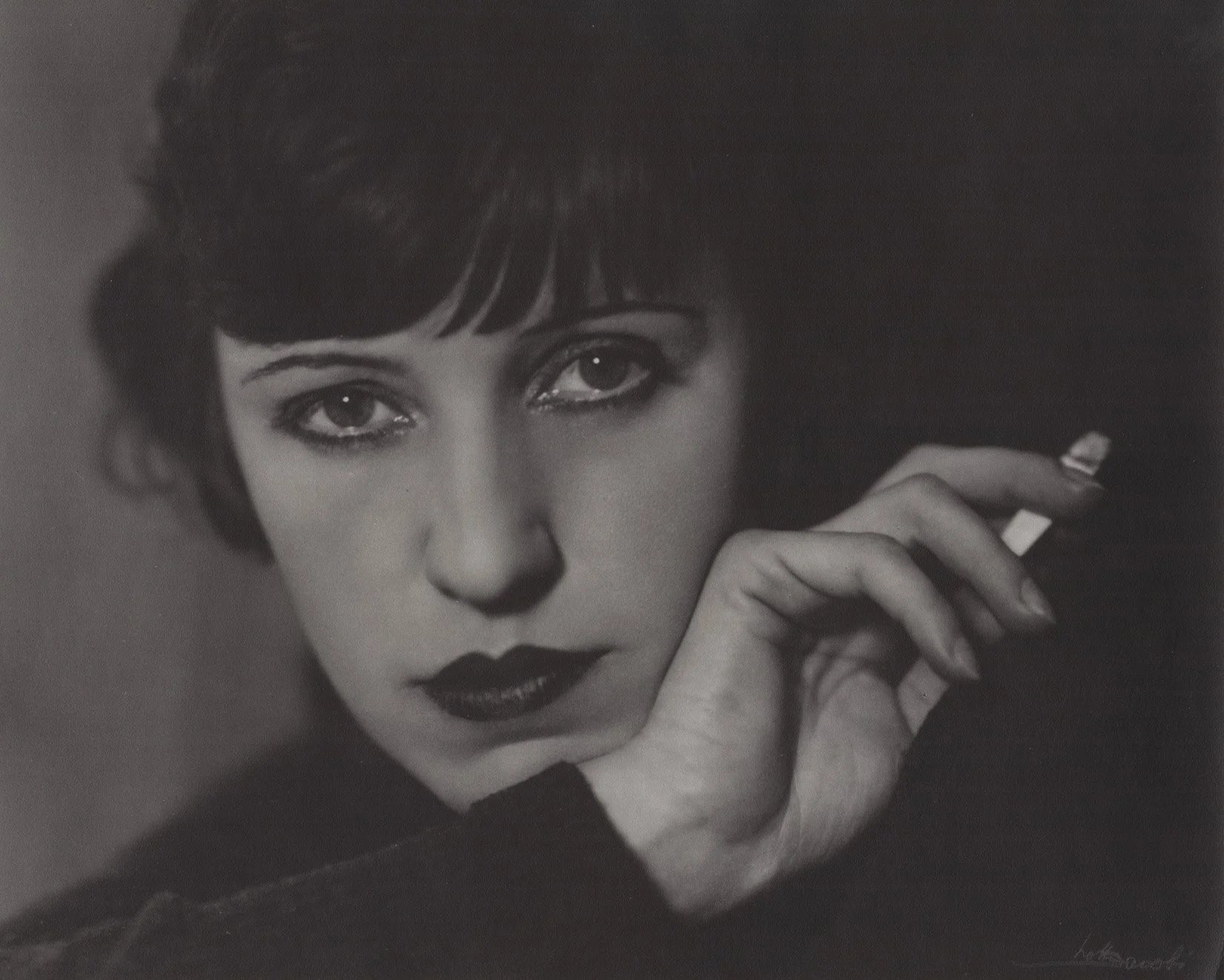
Lotte Jacobi
LOTTE LENYA
Gelatin silver print. 1928.
Smoking has rarely appeared more elegant: in Lotte Jacobi’s striking portrait of the actress Lotte Lenya, the cigarette becomes an effortless extension of a confident, modern persona. Especially during the Golden Twenties, smoking evolved into a symbol of independence, sophistication and emancipation for many women, challenging a practice that had long been associated primarily with men well into the 20th century. Elaborately crafted cigarette holders, artistically designed ashtrays and refined lighters became fashionable accessories, reflecting the style and aspirations of the era. At the same time, the tobacco industry embraced the growing influence of cinema – the defining mass medium of the modern age – using its glamour and visual language to transform the cigarette into an emblem of elegance, autonomy and sensual appeal.
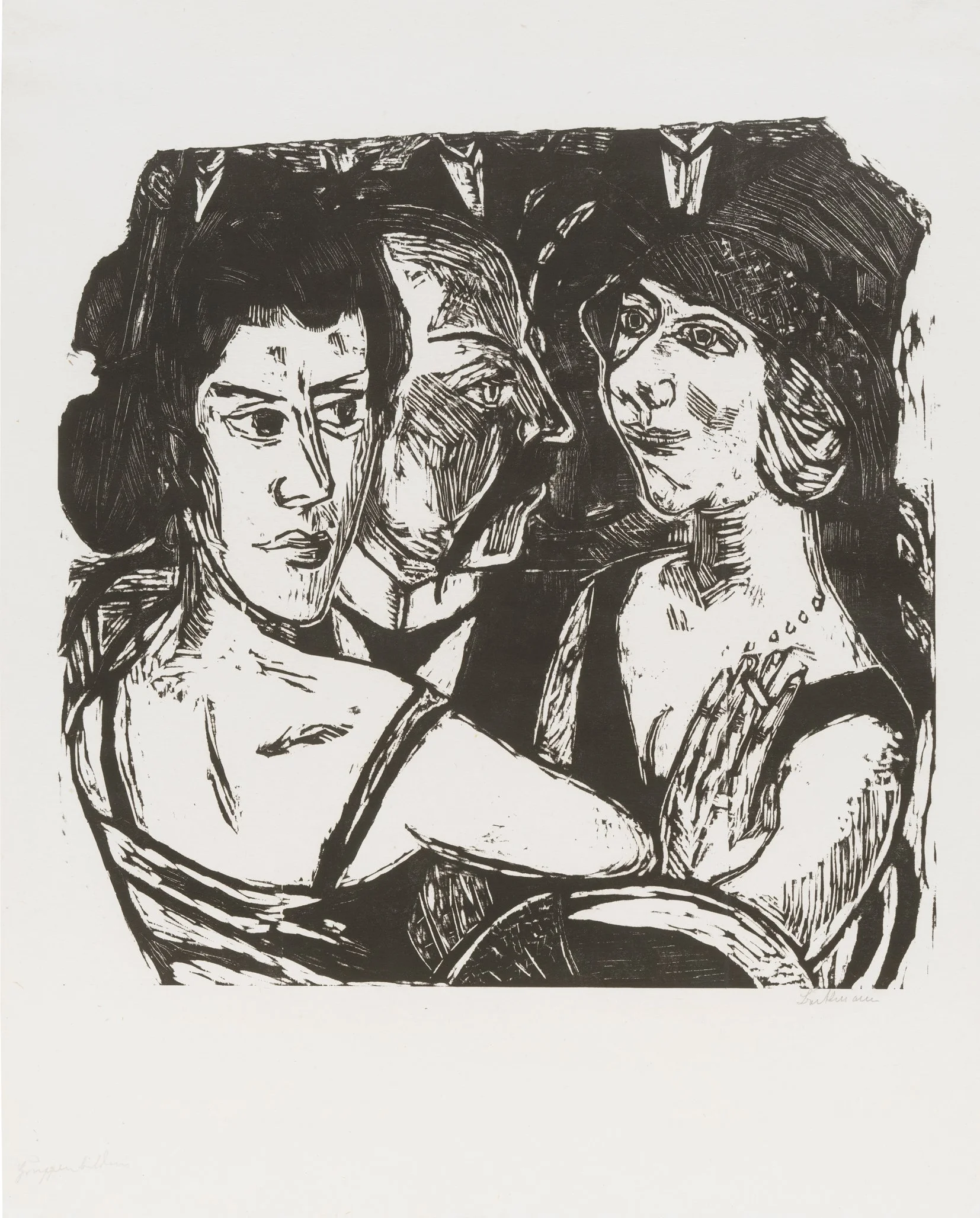
Max Beckmann
GRUPPENBILDNIS EDENBAR
Wood cut. 1923.
During the 1920s, 1930s and 1940s, smoking was deeply woven into everyday social life. Whether as a brief escape from the routines of daily existence or as a symbol of luxury and refinement in more privileged circles, cigars and cigarettes were omnipresent and became closely associated with modern lifestyles. With the rise of industrial production, cigarettes became increasingly accessible to a wider public, transforming tobacco consumption into a widespread mass-market phenomenon.
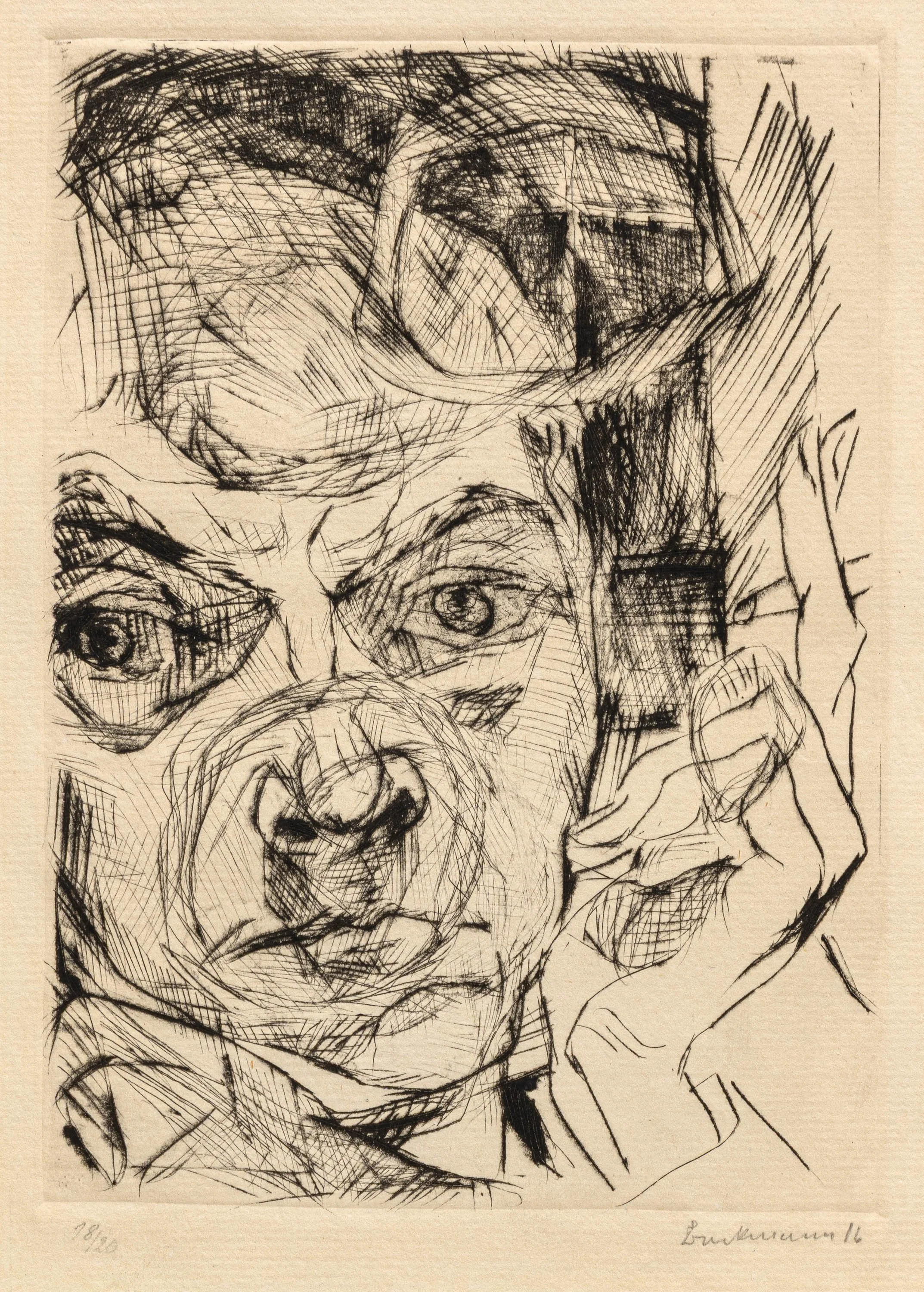
Smoking also occupies a recurring place in the work of Max Beckmann. In the group portrait Edenbar, it contributes to the atmosphere of urban nightlife and social encounter, while in The Smoker (Self-Portrait), the artist presents himself with a cigarette as a contemplative observer of his era.
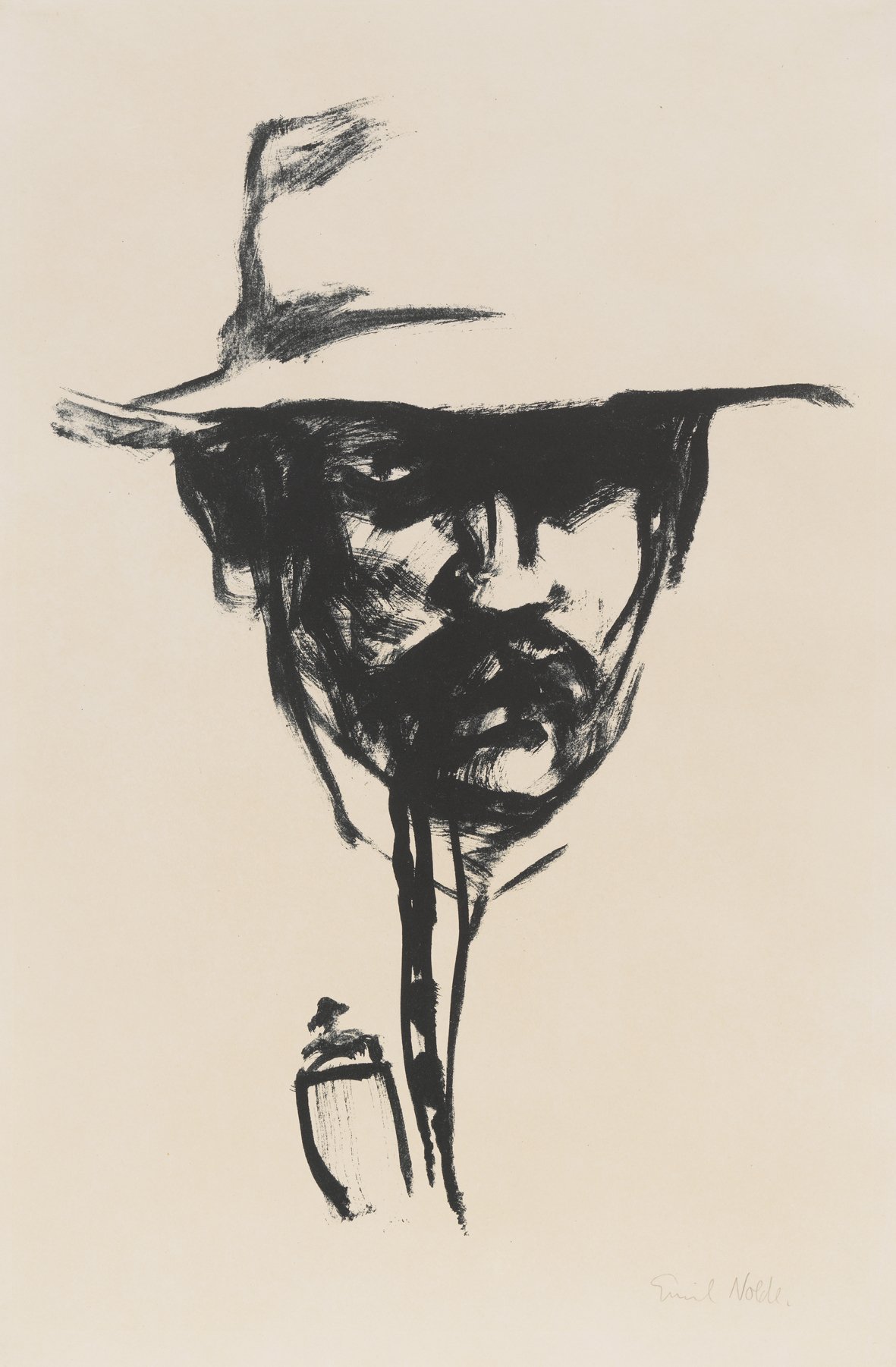
Alongside cigars and cigarettes, the pipe remained a particularly significant symbol in intellectual and artistic circles. In their self-portraits, Karl Schmidt-Rottluff and Emil Nolde depict themselves with pipes in hand, reinforcing their image as confident, independent artistic personalities.
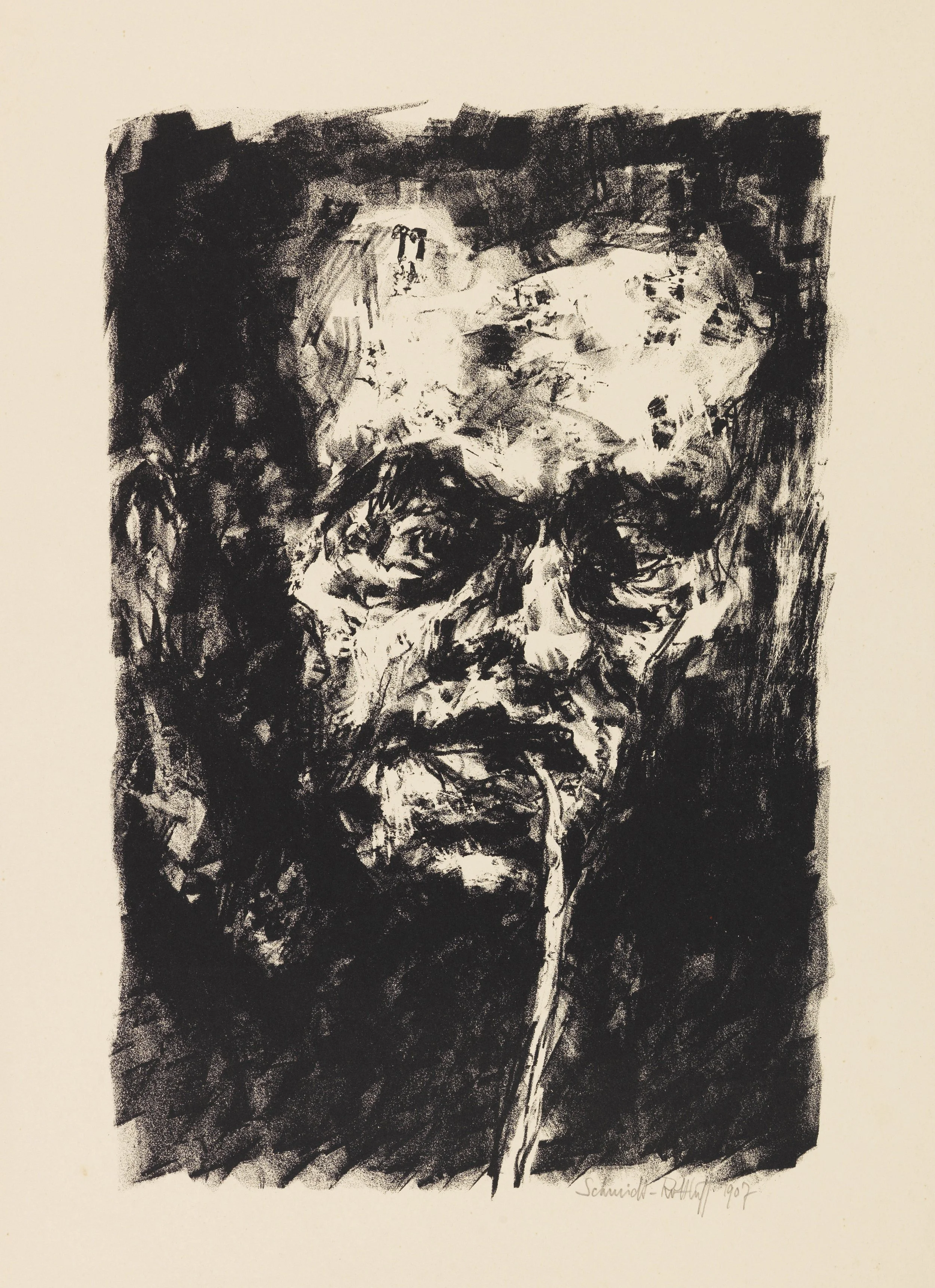
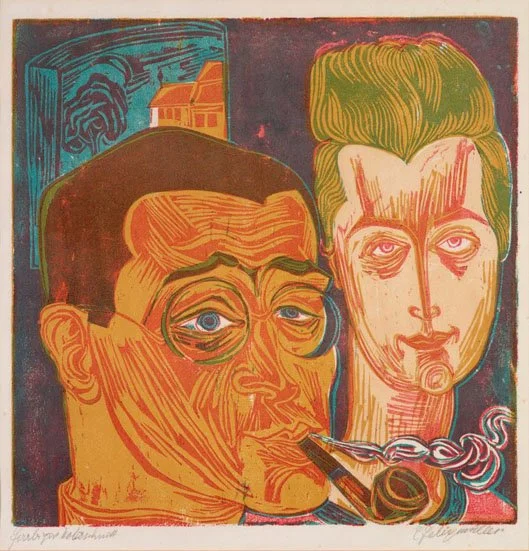
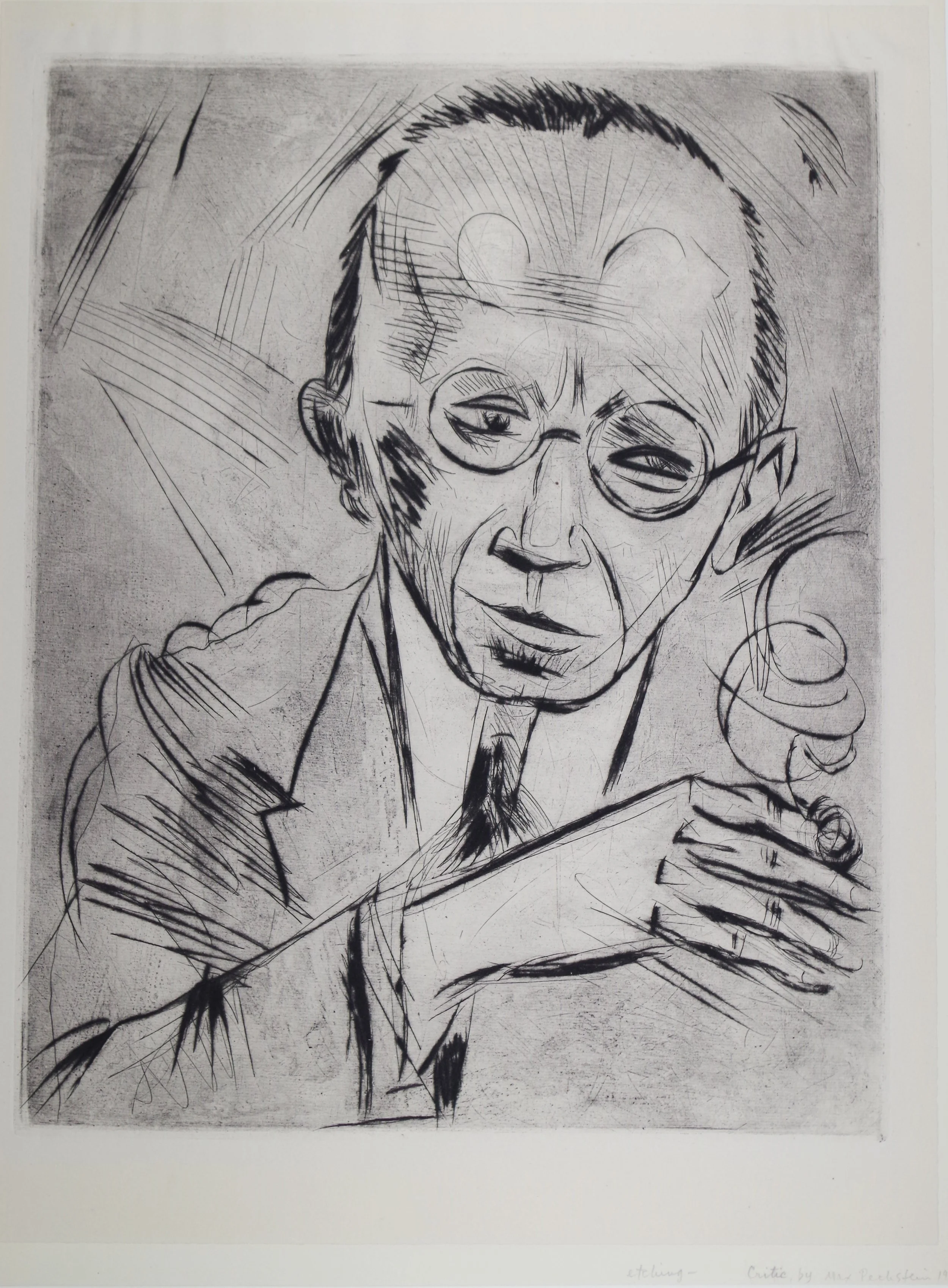
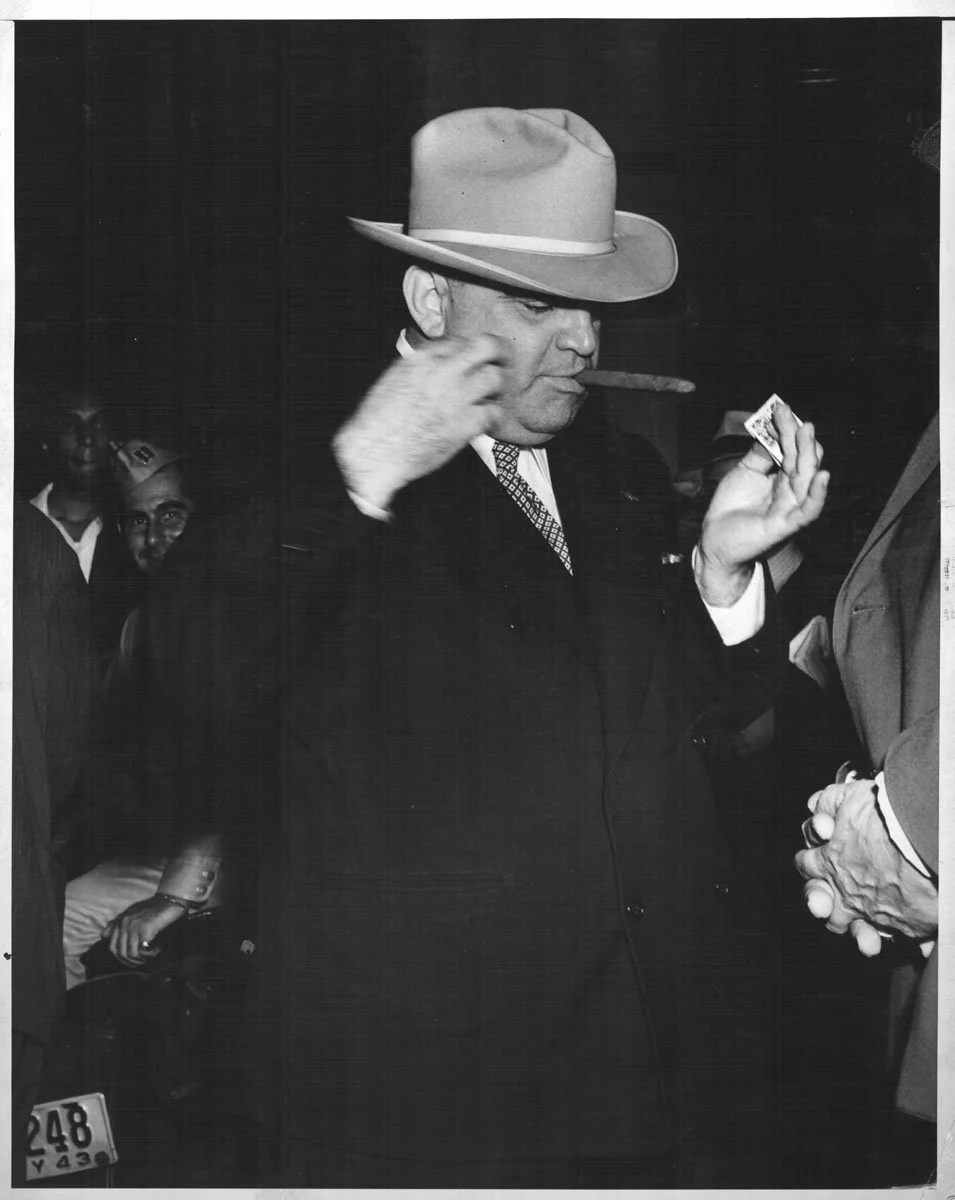
Weegee’s photograph Fiorello La Guardia Lighting a Cigar expands the perspective on smoking through a documentary lens. For decades, the cigar had been associated with success, social status and cultivated pleasure – a ritual that suggested leisure, confidence and a certain sense of authority. Rather than portraying New York’s mayor in a carefully staged official pose, however, Weegee captures him in a spontaneous moment as he lights his cigar. It is this very informality that gives the photograph its sense of authenticity, revealing how naturally the cigar once formed part of the public image and everyday rituals of influential figures.
Whether associated with intellect, bohemianism, elegance or artistic self-expression – in these works, smoking becomes a revealing element of the visual language of an era. Today, our understanding of this motif has shifted profoundly, shaped by changing social attitudes and cultural perspectives. Precisely for this reason, these images invite us to look again and reconsider the meanings they once conveyed.